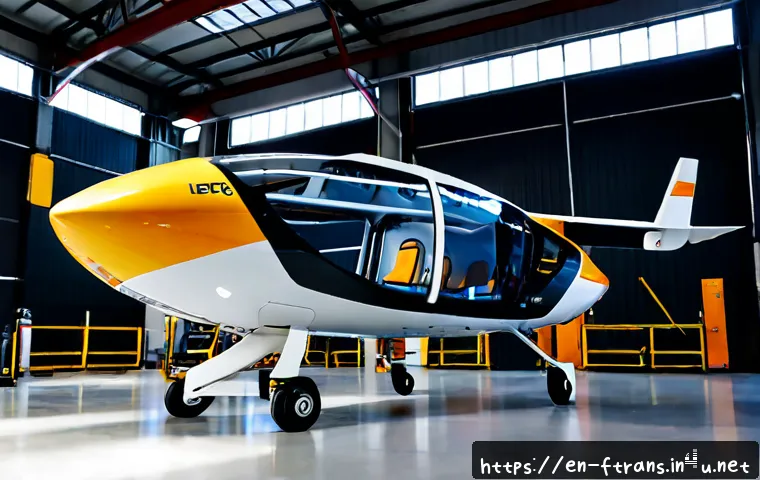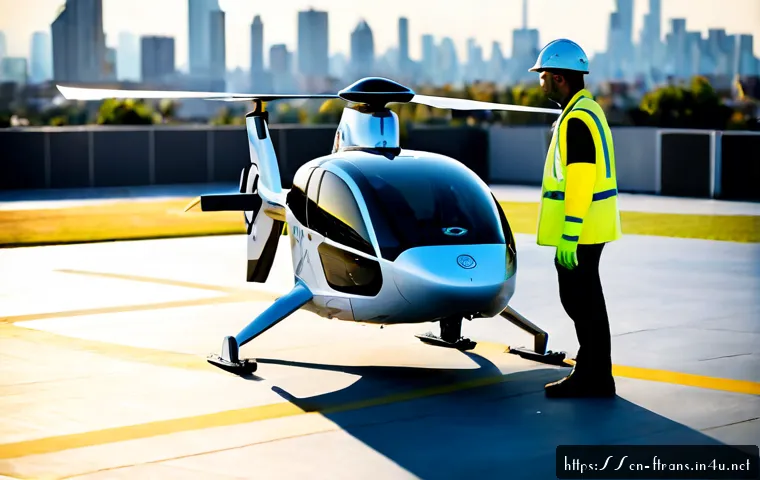
Flying cars are not automatically safe because they look advanced; safety depends first on aircraft certification, operator controls, and the conditions of each flight.

For passengers and buyers, a certified aircraft operated under clear weather, maintenance, and emergency rules is more meaningful than a striking concept video.
Most passenger-focused “flying cars” are actually eVTOL aircraft designed to take off and land vertically rather than road vehicles with wings. Early air-taxi services are likely to use limited routes and defined operating conditions, so they should be evaluated like a premium aviation service, not an unrestricted taxi.
Comparing operator safety policies, insurance terms, route limits, and cancellation rules can help determine whether the premium is justified. The real-world safety record of large-scale eVTOL service is still unknown and must be verified as operations develop.
At a Glance
- Certification is the first filter: passenger service requires applicable FAA certification and operating requirements in the United States.
- Operator standards matter as much as aircraft design: maintenance, weather decisions, oversight, and emergency planning affect every trip.
- Early air-taxi flights will have limits: route availability, wind, visibility, landing sites, and battery performance can restrict operations.
| Decision Factor | Commercial eVTOL Air Taxi | Helicopter Charter | Premium Ground Transfer |
|---|---|---|---|
| Safety oversight | Must meet applicable aircraft certification and operating requirements before commercial service. | Uses established aviation operating frameworks; operator practices still vary. | Depends on vehicle condition, driver standards, and road conditions. |
| Weather sensitivity | Wind, visibility, battery performance, and landing-site conditions may limit flights. | Weather and visibility can also affect dispatch decisions. | Usually less affected by aviation weather, but traffic and road conditions matter. |
| Travel-time potential | Most relevant on approved short routes where road congestion is a major issue. | Can reduce travel time on suitable routes and available landing sites. | Travel time depends on traffic, route planning, and pickup location. |
| Typical cost drivers | Route length, infrastructure, staffing, operating limits, and weather disruption. | Aircraft, crew, route, landing arrangements, and weather disruption. | Vehicle class, distance, waiting time, and local demand. |
The Short Answer: What Makes an eVTOL Flight Safe or Risky?
An eVTOL flight can be a reasonable option only when the aircraft, operator, route, and operating conditions all meet the required standard. A sleek cabin, quiet electric propulsion, or vertical takeoff capability does not establish commercial readiness by itself. The practical question is simple: can the operator show that this specific aircraft is approved, maintained, dispatched within safe limits, and supported by a credible emergency plan?
Aircraft certification is the first safety filter
In the United States, a passenger-carrying aircraft must meet applicable Federal Aviation Administration certification and operating requirements before commercial service. That makes certification status the most important starting point for a passenger, corporate travel manager, or prospective buyer. Do not treat planned certification, prototype testing, or promotional announcements as the same thing as approved passenger operations.
A safe design is not the same as a proven operating record
Many eVTOL concepts use multiple motors or propulsors to support redundancy goals. That can be a valuable design approach, but it is not a stand-alone safety verdict. The full system matters: battery monitoring, flight controls, structural design, maintenance procedures, pilot or automation oversight, and the evidence reviewed during certification. Large-scale commercial eVTOL accident rates are not yet established, so a long-term operating record cannot be assumed in advance.
Why weather and route restrictions still matter
Vertical takeoff does not remove aviation limits. Wind, storms, visibility, airspace management, battery performance, and landing-site conditions may affect whether a flight can depart or continue safely. Early services are expected to focus on defined routes rather than unrestricted point-to-point travel. A cancellation due to operating conditions is not necessarily a service failure; it may show that the operator is following appropriate limits.
How Air Taxis Compare With Helicopters and Premium Ground Travel
An air taxi should be compared with the actual alternative for that trip, not with an idealized vision of future transportation. For a short, approved route with severe road congestion, an eVTOL service may offer meaningful time savings. For an itinerary requiring a fixed arrival time, large baggage capacity, or many possible destinations, premium ground transport may remain the more practical choice.
Safety oversight, redundancy, and emergency landing options
Both air taxis and helicopter charters require aviation-level operational discipline, including maintenance and procedures. eVTOL designs may pursue multiple-propulsor redundancy, while helicopter operations have their own established aircraft and operator frameworks. In either case, ask about route-specific emergency planning, landing-site suitability, passenger briefings, and how an operator handles a diversion or cancellation.
Cost drivers: route length, infrastructure, staffing, and weather disruptions
Exact fares and insurance costs vary by operator and location. Still, a premium mobility service is shaped by more than distance. Aircraft availability, vertiport or landing-site infrastructure, staffing, route restrictions, and weather disruptions can all influence the final booking value. A lower advertised starting price is not enough information if cancellation terms, baggage rules, or alternative transport arrangements are unclear.
When the time savings may justify a higher fare
A higher fare may make sense for a time-sensitive business traveler using an approved short route with a clear ground-transfer advantage. It may be less compelling for leisure travelers with flexible schedules, travelers carrying substantial luggage, or anyone who needs a guaranteed departure in changing weather. Compare the complete journey: check-in, passenger briefing, travel to the landing site, flight time, and the final ground transfer.
Safety Features to Check Before Booking or Buying
Good decisions come from checking documented operating details rather than relying on general safety claims. Whether you are booking one seat or assessing private ownership, focus on the items that affect the actual flight.
Certification and operator authorization
Confirm the aircraft’s current certification status and the operator’s authorization for the planned service. Ask whether the route is already approved and whether the flight will operate under stated conditions. For a private buyer, distinguish between an aircraft project, an aircraft with certification progress, and an aircraft that is actually authorized for the intended use.
Propulsion redundancy, battery monitoring, and flight-control systems
Multiple motors or propulsors can support redundancy objectives, and battery monitoring plus flight-control systems are important features to review. However, avoid reducing the decision to a feature checklist. Ask how those systems fit into the operator’s maintenance program, dispatch decisions, and certification evidence. Safety features are promising only when they are part of a verified operating system.
Pilot involvement, automation limits, and passenger briefings
Clarify who supervises the flight and what the passenger should expect before departure. Automation does not eliminate the need for operational oversight, clear procedures, and a useful safety briefing. A responsible operator should explain boarding rules, seating instructions, baggage restrictions, communication expectations, and what happens if the flight is delayed or canceled.
Maintenance records, insurance, and emergency planning
Ask how maintenance is organized and what emergency response arrangements apply to the route. For buyers, insurance considerations, storage, training, and operating costs deserve separate review because they may not be reflected in an aircraft’s initial purchase discussion. For passengers, review what coverage is included, what the cancellation policy says, and whether the operator provides a clear contingency plan.
Common Risks and Mistakes to Avoid
The biggest mistake is assuming that new aviation technology removes the basic constraints of aviation. It does not. A careful traveler looks at the specific operator, specific route, and specific day of travel.
Treating concept videos as evidence of commercial readiness

Concept flights and polished videos can demonstrate design intent, but they do not prove that a model has the required certification, operating approvals, or service record. Use official aircraft and operator information to verify current status before placing a deposit or making travel plans around a future route.
Ignoring wind, storms, visibility, and cancellation rules
Do not book an air taxi as if it were immune to weather disruption. Read the cancellation and rebooking terms before payment, especially when the flight connects to a cruise, business meeting, airport departure, or medical appointment. A premium service should make its operating limits and passenger options understandable.
Assuming every route has the same landing and evacuation options
Landing-site conditions and emergency planning can differ by route. A service operating between established locations may have a different operational profile from one proposed for a newer or less developed landing network. Ask what alternative arrangements exist if the destination landing site cannot be used.
Which Travelers and Buyers Should Wait, Try, or Avoid Early Services?
Early eVTOL service will not fit every traveler. The best match is usually someone who values time, accepts operating limits, and can adjust plans when conditions require it.
Time-sensitive business travelers on approved short routes
Business travelers may find value when an approved route avoids a major ground-traffic bottleneck and the service has clear backup arrangements. The key is not simply speed in the air. It is the reliability of the complete trip and the operator’s ability to communicate quickly if conditions change.
Travelers who need predictable schedules or flexible baggage capacity
Travelers who need fixed schedules, extensive baggage capacity, or broad destination flexibility may prefer premium ground travel or another established option. Early air-taxi services may have limited routes, passenger rules, and defined baggage limits. Check these details before selecting a service for an important itinerary.
Private buyers considering ownership, training, storage, and operating costs
Private buyers should look beyond the aircraft itself. Ownership decisions may involve training, storage, maintenance, insurance, operational approvals, and the practical availability of suitable routes or landing locations. Do not assume that personal ownership creates unrestricted access to airspace or landing sites.
Choosing an Air-Taxi Service: Safety and Value Comparison Summary
Before booking, compare operator safety policies, route limits, and cancellation terms. Then confirm the aircraft’s certification status, the operator’s authorization, expected weather limits, passenger and baggage rules, emergency procedures, and insurance information. Compare the door-to-door time against a helicopter charter and a premium ground transfer, not just the advertised flight duration. If the trip is time-critical, decide in advance whether the operator’s alternative transport plan is acceptable. For official policies and detailed conditions, review the operator’s booking and safety information page before paying.
A final checklist for operator, aircraft, route, and policy review
Aircraft: Is its certification status current and clearly stated? Operator: Are maintenance, passenger briefing, and emergency procedures explained? Route: Is it an approved service route with clear landing-site information? Conditions: Are weather and visibility limits addressed? Policy: Are baggage, cancellation, rebooking, and insurance terms easy to review?
Questions to ask before paying a deposit or booking a flight
Ask whether the planned service is currently available, what conditions can cause cancellation, who oversees the flight, what baggage restrictions apply, and what happens if the destination cannot be used. Private buyers should also ask which approvals, training, storage, maintenance, and insurance arrangements are required for the intended operation.
In Closing
eVTOL aircraft may add useful design features and a new premium mobility option, but futuristic appearance is not the safety standard. Certification, careful operations, maintenance, weather discipline, and emergency planning are the meaningful checks. Early services may be worthwhile on the right route, especially when time savings are clear and the traveler can accept operational limits. Verify the current status of any specific aircraft and operator before making a booking or investment decision.
Useful Information to Keep in Mind
1. Most passenger “flying cars” are eVTOL aircraft rather than road vehicles with wings.
2. Multiple motors can support redundancy goals, but the complete aircraft system and certification evidence matter more.
3. Weather, visibility, wind, airspace, battery performance, and landing-site conditions can affect dispatch.
4. Limited early routes can be a normal operating approach, not a sign that point-to-point service is already available.
Important Considerations
Large-scale commercial eVTOL safety performance has not yet been established. Route availability, launch timing, passenger fares, and insurance costs vary by operator and location. Never assume that a particular model is ready for passenger service without verifying its current certification status, operating approvals, and actual service record.
Frequently Asked Questions
Q1. Are flying cars safer than helicopters?
A1. It is too early to make a general claim. eVTOL designs may use multiple motors or propulsors to support redundancy goals, but safety depends on the full aircraft system, certification evidence, operator procedures, maintenance, weather decisions, and emergency planning. A specific eVTOL service should be compared with a specific helicopter operator and route.
Q2. How can I tell whether an eVTOL air-taxi operator is safe to book?
A2. Check the aircraft’s current certification status, the operator’s authorization for the route, weather and cancellation policies, passenger briefing process, baggage rules, maintenance approach, insurance information, and emergency procedures. Compare operator safety policies, route limits, and cancellation terms before payment.
Q3. Will flying car rides be expensive compared with helicopter charters or premium car services?
A3. Exact fares are not fixed and vary by operator and location. Costs can be influenced by route length, infrastructure, staffing, operating restrictions, and weather disruption. The useful comparison is total door-to-door value, including reliability, transfer time, baggage needs, and the cost of a backup option if the flight cannot operate.