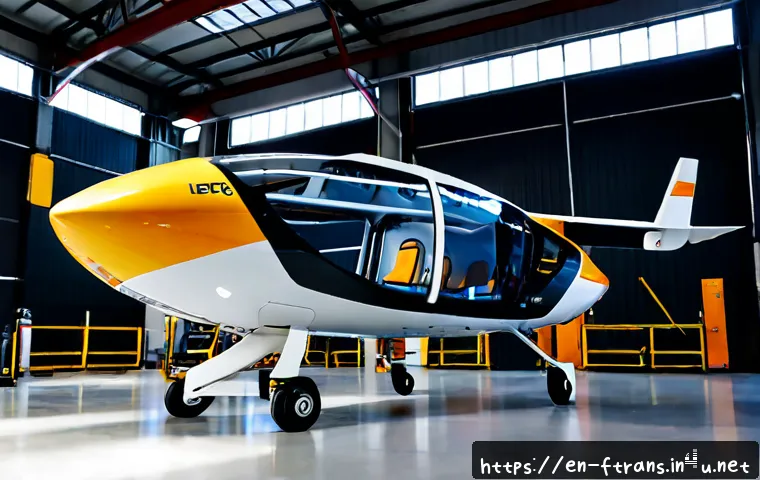
The best eVTOL maker is the one that fits your certified operating path, route mission, and full program budget—not simply the one with the most ambitious published specifications.
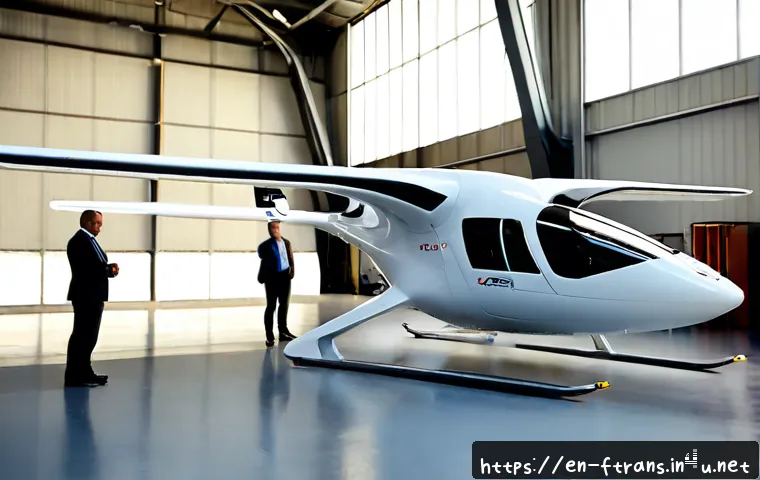
For an air-taxi program, certification progress, support capability, and infrastructure compatibility should carry more weight than concept imagery or projected range.
Buyers should compare aircraft procurement options alongside fleet leasing, managed-service agreements, and operator partnerships. A practical review also separates aircraft cost from charging, maintenance, insurance, pilot training, and vertiport access.
This is especially important for corporate travel, airport transfer, and city mobility projects that may begin on limited, high-value routes. Final performance, capacity, pricing, and launch timing should always be confirmed in a current commercial proposal.
At a Glance
- Certification status is the first filter because commercial passenger operations require aircraft certification and operational approval.
- The right eVTOL manufacturer depends on the intended route, passenger mission, energy setup, and available fleet-support model.
- Compare total operating cost, not just aircraft procurement price or advertised range.
| Decision Area | What to Compare | Why It Matters |
|---|---|---|
| Certification pathway | Relevant aviation authority pathway, certification progress, and operating approval plan | Passenger service cannot proceed on projected timelines alone. |
| Seating and mission | Passenger layout, payload assumptions, route length, and reserve requirements | Published capability can change with weather, operating limits, and mission profile. |
| Energy and infrastructure | Charging needs, energy access, vertiport compatibility, and turnaround process | An aircraft fleet needs reliable ground operations to produce usable service. |
| Support model | Maintenance, spare parts, training, dispatch, and fleet availability | Operational readiness depends on more than delivery of the aircraft. |
| Procurement route | Direct purchase, fleet leasing, partnership, or service-based agreement | The best commercial structure varies by capital needs and operating experience. |
What Matters Most When Choosing an eVTOL Manufacturer
The most useful eVTOL manufacturer comparison starts with a simple question: Can this aircraft and support model serve the intended mission under an approved operating framework? A city partner, airport operator, or corporate travel buyer should define the route and service model before selecting a supplier. This avoids building an investment case around specifications that are still subject to certification and operational limits.
Start with Certification Status, Not Concept Images
Electric vertical takeoff and landing aircraft are designed to take off and land vertically using electric propulsion, although designs and hybridization approaches vary by manufacturer. For commercial passenger operations, aircraft certification and operational approval from the relevant aviation authority are generally required before paying passengers can be carried.
In the United States, the FAA certification pathway is a central consideration. In Europe, EASA has a comparable role. Ask each manufacturer how its certification plan connects to the intended operating market, operator approvals, pilot requirements, and maintenance arrangements. Do not treat an announced partnership or target launch date as evidence of passenger service readiness.
Match the Aircraft to the Route and Passenger Mission
Start with the actual trip: airport transfer, corporate shuttle, regional connection, or a public-sector planning pilot. Then examine expected passenger loads, baggage needs, ground turnaround, and route constraints. A vehicle that appears suitable on a headline range figure may be less suitable when reserves, weather, payload, and local operating conditions are considered.
Early air-taxi deployments are expected to focus on limited, high-value routes rather than replacing mass public transit immediately. This makes route economics, premium passenger demand, and reliable vertiport access especially important for an initial program.
Evaluate the Complete Operating Ecosystem
An air-taxi service needs more than aircraft. It may require trained pilots or approved autonomy systems, maintenance capability, charging or energy infrastructure, vertiport access, dispatch processes, and insurance arrangements. A manufacturer with a strong aircraft concept but limited fleet support may create additional work for the operator or procurement team.
For enterprise air-mobility planning, ask which elements are supplied directly, which are handled by partners, and which remain the buyer’s responsibility. This distinction can materially affect program scope and total cost of ownership.
Compare Aircraft Capability, Support, and Commercial Readiness
A useful comparison treats capability as a verified operating question, not a marketing checklist. Commercial readiness combines aircraft status, operating approvals, support resources, and the ability to deliver dependable service on a specific route.
Seating, Payload, Range, and Reserve Requirements
Compare seating and payload with the exact passenger mission in mind. Manufacturer claims for range, payload, speed, noise, and charging time can differ according to reserves, weather, mission profile, and regulatory operating limits. Ask for the assumptions behind every performance figure.
Procurement teams should request a mission-based explanation: expected load, route distance, turnaround process, reserve planning, and any conditions that reduce usable capability. Certified performance may not match preliminary specifications.
Pilot-Operated Versus Future Autonomous Operating Models
Some future business cases may include autonomy, but buyers should separate a future autonomy vision from the operating model available for their intended launch. Pilot-operated service requires planning for trained crews, scheduling, training, and associated operational processes.
When reviewing fleet leasing or managed-service proposals, clarify who supplies pilots, who controls dispatch, and who holds responsibility for operational approvals. This helps prevent a gap between the aircraft acquisition plan and the actual service plan.
Maintenance Networks, Spare Parts, and Fleet Availability
Maintenance planning is a core commercial issue. Ask about maintenance capability, spare-parts access, technical support, training, and aircraft availability expectations. A grounded aircraft can affect a small early fleet more heavily than a larger conventional operation.
For a fleet partnership, identify service responsibilities in writing. The buyer should understand whether maintenance is manufacturer-led, operator-led, or shared through a support network.
Budgeting for an Air-Taxi Program Beyond the Aircraft Price
The aircraft price is only one line in an air-taxi budget. A sound investment review includes the costs and responsibilities around operating the fleet safely, reliably, and within the local infrastructure environment.
Purchase, Leasing, and Fleet-Service Options
Procurement decisions may involve direct purchase, leasing, fleet partnership, or service-based operating agreements. Direct ownership may suit organizations that want more control and have the ability to manage aircraft operations. Fleet leasing can reduce the need for an immediate ownership commitment, while a managed-service or fleet partnership model may be more practical for buyers focused on access rather than aviation operations.
There is no universal best structure. Compare the contract scope, support obligations, availability terms, and operating responsibilities rather than assuming one model will always cost less.
Charging, Vertiport, Insurance, and Training Costs
Infrastructure planning should include charging or energy requirements, vertiport access, dispatch processes, pilot training, maintenance resources, and insurance considerations. An aircraft that works well on paper may still face operational constraints if the selected site cannot support the required energy, ground handling, or access procedures.
City and airport partners should assess local airspace and ground infrastructure early. Infrastructure planning should run alongside aircraft selection, not after a procurement decision.

Questions to Include in a Manufacturer Quote Request
Request a proposal that explains the certification position, expected operating configuration, support model, maintenance responsibilities, charging requirements, training scope, and commercial procurement options. Ask which figures are certified, which are projected, and what assumptions apply to the proposed route.
Also ask how the manufacturer approaches fleet availability, spare parts, dispatch integration, and vertiport compatibility. This gives aviation consulting teams and procurement leaders a clearer basis for comparing proposals.
Common Procurement Risks and How to Avoid Them
The largest risk is often not choosing the wrong aircraft design. It is making a commitment before the operating mission, approval path, and ecosystem responsibilities are defined.
Treating Projected Specifications as Certified Performance
Published range, speed, payload, noise, and charging claims may depend on conditions that do not match the intended service. Avoid using preliminary performance figures as final operating assumptions. Require clear identification of projected versus certified information in every aircraft procurement review.
Overlooking Local Airspace and Infrastructure Constraints
Airspace, vertiport access, energy supply, and local operating processes can shape whether a route is practical. A city may have demand for airport transfers, for example, but demand alone does not establish a workable operational pathway. Engage relevant airport, infrastructure, and aviation stakeholders before finalizing a fleet plan.
Choosing a Supplier Before Defining Utilization Targets
Define how the fleet is expected to be used before comparing suppliers. Consider whether the program is intended for corporate travel, scheduled airport transfers, regional connectivity, demonstration flights, or public-sector planning. Utilization targets should reflect realistic route access, dispatch capability, passenger demand, and aircraft availability.
Which Manufacturer Profile Fits Your Use Case?
The best manufacturer profile changes according to the buyer’s operating goal. A disciplined comparison should connect aircraft capability with the service model, not simply rank manufacturers by a single technical claim.
Premium Airport Transfers and Corporate Travel
These programs may prioritize dependable scheduling, passenger experience, baggage assumptions, vertiport access, and a clear operator model. A fleet partnership or managed service can be worth considering when the buyer wants air-mobility access without building a full aviation operations team.
Regional Connectivity and Intercity Routes
Regional missions require careful review of route distance, reserves, payload, weather exposure, energy planning, and alternate operating considerations. The relevant question is not the longest advertised range; it is whether the aircraft can perform the planned mission within approved operating limits.
Public-Sector, Emergency, and Infrastructure Planning Pilots
Public-sector and infrastructure projects may benefit from a phased approach. Early work can focus on vertiport feasibility, energy needs, airspace coordination, dispatch concepts, and procurement structure before committing to a broad fleet deployment. Passenger service timing and operational scale-up should remain subject to certification and local approvals.
Selection Criteria and Comparison Summary
Before choosing an eVTOL manufacturer, check certification relevance, mission fit, verified operating assumptions, infrastructure compatibility, maintenance support, and procurement structure. Score each proposal against the same criteria so a strong headline specification does not outweigh a weaker support or approval plan. Buying may fit a mature aviation operator, while leasing or a fleet-service partnership may fit an organization seeking lower operational responsibility. Waiting may be sensible when certified performance, local infrastructure, or the commercial route case is not yet clear. For final comparisons, request manufacturer proposals, infrastructure assessments, or aviation consulting quotes that state assumptions and responsibilities clearly.
Closing Thoughts
eVTOL selection is an aviation procurement decision, not only a technology purchase. The strongest program case combines an appropriate aircraft, a credible certification path, an operating partner or internal operating plan, and workable infrastructure. Buyers should compare the full service ecosystem before committing capital or announcing routes. Clear assumptions are more valuable than optimistic projections.
Useful Information to Keep in Mind
1. FAA pathways are central for U.S. commercial deployment, while EASA plays a comparable role in Europe.
2. Passenger operations generally need both aircraft certification and operational approval.
3. Charging, maintenance, pilots, dispatch, and vertiport access are part of the air-taxi service model.
4. Early deployments are expected to favor limited, high-value routes.
Important Considerations
Final certified performance, seating, operating limits, purchase prices, lease rates, maintenance costs, route availability, and launch dates may not be known until confirmed in current documentation or a commercial proposal. Announced manufacturer partnerships do not necessarily result in operational passenger services. Verify all technical, regulatory, financial, and infrastructure assumptions with the relevant manufacturer, operator, aviation authority, and local partners.
Frequently Asked Questions
Q1. Which eVTOL manufacturer is best for an air-taxi startup?
A1. The best fit depends on certification status, the intended route, passenger mission, infrastructure needs, and the support model available. A startup should compare direct aircraft procurement, fleet leasing, and managed-service options before deciding.
Q2. How much does an electric air taxi cost to buy or operate?
A2. Exact purchase prices, lease rates, passenger fares, and maintenance costs should be confirmed in a current commercial proposal. The full operating budget may also include charging, vertiport access, insurance, pilot training, maintenance, dispatch, and fleet support.
Q3. Are flying taxis safe enough for commercial passenger service?
A3. Commercial passenger operations generally require aircraft certification and operational approval from the relevant aviation authority. Buyers should assess certification progress, approved operating plans, maintenance capability, pilot or autonomy requirements, and local infrastructure rather than relying on general safety claims.