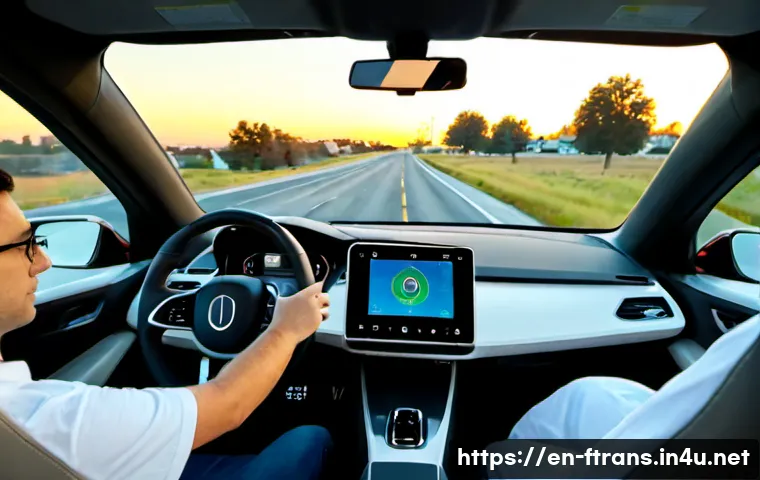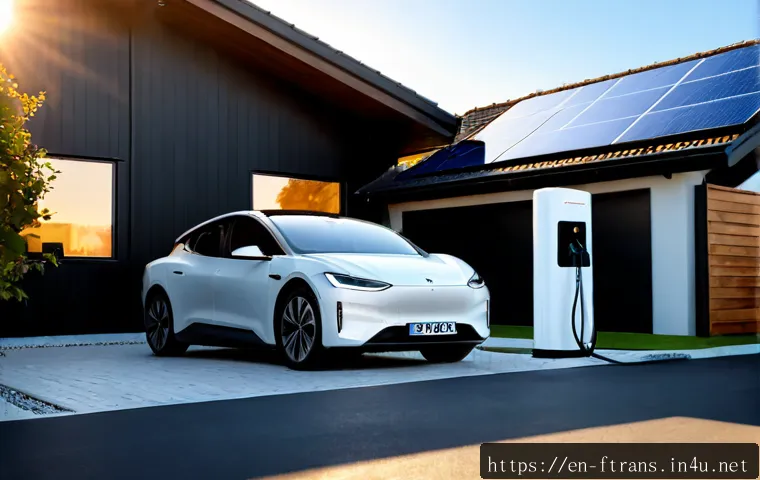
The automotive technologies most worth paying for are usually the ones that improve safety, reduce daily operating friction, or support a clear business need.
For most buyers, that means evaluating driver-assistance features, charging access for an EV, and connected services before spending on novelty options.
An electric vehicle can be practical when charging access, driving range, and local electricity pricing fit your routine. Connected-car subscriptions and software features can be useful, but their long-term availability and recurring costs deserve close review.
Fleet operators should focus on telematics that helps with maintenance visibility, energy or fuel use, vehicle location, and driver behavior. The best choice is rarely the vehicle with the longest feature list; it is the one with technology you will use regularly and can support over time.
At a Glance
- Prioritize weekly usefulness: safety support, charging convenience, and fleet visibility usually matter more than headline technology.
- Check recurring commitments: connected-car services and some software-enabled features may involve subscriptions or changing availability.
- Plan for support: sensor calibration, battery servicing, diagnostics, and parts availability can affect repair complexity.
| Technology Category | Best Use Case | Costs to Investigate | Recurring-Fee Risk | Maintenance Considerations |
|---|---|---|---|---|
| Electric powertrain and charging | Drivers with suitable home or public charging access | Charging equipment, electricity pricing, vehicle configuration | Possible charging-network or connected-service fees | Battery servicing and charging access planning |
| Driver-assistance systems | Commuters and families seeking added driving support | Safety package pricing and repair coverage | Feature availability may vary by vehicle and software support | Sensor replacement and calibration requirements |
| Connected-car software | Drivers who use navigation, remote functions, or diagnostics | Subscription terms and included service periods | Often relevant; confirm what remains active after any included period | Cellular coverage and software-support status |
| Fleet telematics | Delivery, service, and sales fleets | Hardware, platform access, and implementation needs | Common area to review in vendor terms | Installation, diagnostics, and data-management processes |
Which Vehicle Innovations Deliver Real Value Today?
Quick Answer: Prioritize Safety, Energy Savings, and Features You Will Use Weekly
The strongest automotive technology purchase is usually tied to a repeated task. A commuter may value adaptive cruise control, lane-centering assistance, or dependable charging more than an occasional remote function. A family may place greater value on emergency braking support, parking assistance, and navigation updates. A business may benefit most from fleet telematics that provides useful visibility into vehicle location, maintenance needs, fuel or energy use, and driver behavior.
Start with a simple question: What problem will this feature solve every week? If the answer is unclear, the lower-cost configuration may offer better ownership value.
Innovation Versus Optional Technology That Adds Little Practical Benefit
New technology is not automatically useful technology. A feature can sound advanced yet add limited value if it does not fit your roads, parking situation, charging options, or driving habits. Connected services may be convenient, for example, but convenience depends on cellular coverage, subscription conditions, and whether the service remains available over time.
Pay particular attention to features that introduce an ongoing commitment. A vehicle feature may be installed at purchase but depend on software support, connectivity, or a future subscription. Ask what is included, what may require payment later, and what happens if the service changes.
Compare the Main Technology Categories Before You Buy
Electric Powertrains, Batteries, and Home or Public Charging
Electric vehicles use rechargeable battery packs and electric motors rather than relying solely on an internal-combustion engine. Their practical value depends less on novelty than on charging convenience. Home charging capability, public charging access, expected driving range, and electricity pricing can materially affect the ownership experience.
A buyer with reliable charging where they live may assess an EV very differently from an apartment resident who depends on public charging. Before choosing an EV, review where charging would happen during a normal week, how often longer trips occur, and whether the available charging options fit those patterns. Compare charging plans only after checking whether the locations and access methods work for your usual routes.
Battery-related service needs and local charging conditions can vary. Do not assume that one driver’s charging routine, electricity cost, or ownership experience will match yours.
Driver-Assistance Systems and Sensor-Based Safety Features
Advanced driver-assistance systems can support functions such as adaptive cruise control, lane-centering assistance, parking assistance, and emergency braking. For many buyers, an ADAS safety package deserves serious consideration because it can assist with common driving tasks and may be used frequently.
However, these features do not make every vehicle fully autonomous. Driver attention remains important, and system performance can be affected by road conditions, weather, traffic situations, and the limitations of the specific system. Treat assistance as support, not as a replacement for active driving.
Also consider the repair side. Sensors may need calibration after certain repairs, and sensor-based equipment can add diagnostic complexity. Review the vehicle’s repair-network options and ask how calibration needs are handled if a camera, radar, or related component requires service.
Connected-Car Software, Subscriptions, and Over-the-Air Updates
Connected vehicles can use cellular or wireless connectivity for navigation updates, remote functions, diagnostics, and emergency services. Over-the-air updates can improve compatible vehicle software or add features without a traditional dealership visit. That can be genuinely useful, especially for drivers who value current navigation, remote access, or streamlined software updates.
The key issue is not simply whether a car is connected. It is what remains connected, for how long, and under which terms. Some connected-car subscriptions may be optional, while other features may depend on an active service plan. Confirm the included period, any recurring charge, cellular coverage requirements, and whether the functions you care about can be used without a subscription.
Review driver-assistance package details and connected-service terms before treating a feature as permanent. Future software updates and feature availability should be verified for the vehicle you are considering.
Fleet Telematics and Business Vehicle Management Tools
Fleet telematics systems can help organizations monitor vehicle location, maintenance needs, fuel or energy use, and driver behavior. For a delivery, service, or sales fleet, this information can support more organized operations and clearer maintenance planning.
A fleet should not select telematics solely because a dashboard offers many data points. The better question is whether the team has a process to use the information. A fleet manager may need location visibility, maintenance reminders, energy-use tracking, or driver-behavior reporting, but not every operation needs every module.
Request fleet telematics pricing after identifying the data your organization will actually review and act on. Also confirm installation requirements, ongoing platform terms, support options, and compatibility with the vehicles in the fleet.
Costs, Ongoing Fees, and Ownership Value
Upfront Package Pricing Versus Recurring Subscription Charges
Technology value should be measured over ownership, not only at the point of purchase. An ADAS safety package may have an upfront cost, while connected functions may involve recurring subscription charges. Charging access can involve equipment decisions, public charging arrangements, and electricity pricing. Fleet telematics can involve both setup requirements and continuing platform access.
Create two columns before making a decision: one-time costs and ongoing obligations. Then list the features you would genuinely use. This makes it easier to spot a package that looks attractive in a showroom but offers limited value after the first few months.
Charging Equipment, Energy Use, Maintenance, and Repair Considerations
EV buyers should investigate charging equipment needs, public charging access, and local electricity pricing. These factors can materially affect convenience and energy costs, but the outcome depends on the individual driver and location. A practical charging plan is often more important than a long feature list.
Across vehicle types, repair costs may vary depending on sensor calibration requirements, battery servicing, software diagnostics, and parts availability. A technology-rich vehicle can be a sensible choice, but it is wise to ask who can service it and what support exists nearby.
Warranty, Insurance, and Resale-Value Questions to Investigate
Actual repair expense, insurance impact, warranty coverage, and resale value can differ by vehicle and technology package. These are not details to assume from a broad category such as “EV” or “connected car.” Ask for the written warranty terms and clarify coverage for battery components, sensors, software diagnostics, and related systems.
Before signing, ask whether feature availability can change, whether a subscription is required, and whether a repair could require sensor calibration. These questions help separate useful technology from technology that may become difficult or costly to support.
Practical Risks and Common Buying Mistakes

Confusing Assisted Driving With Autonomous Driving
The most important safety mistake is treating driver-assistance as autonomous driving. Adaptive cruise control, lane-centering assistance, emergency braking, and parking assistance can support the driver, but they have operating limits. Stay attentive and remain responsible for driving.
Ask for a clear explanation of what each feature does, when it may not work as expected, and what the driver must do when the system is active.
Buying a Connected Feature Without Checking Cellular Coverage or Subscription Terms
Remote functions, diagnostics, navigation updates, and emergency services may depend on wireless connectivity. If coverage is limited where you drive or park, the real-world benefit may be lower than expected. Likewise, a connected feature may not provide the same value if a subscription becomes necessary after an included period.
Read the service terms. Confirm the functions that are included, the services that may require payment, and the options available if you choose not to continue a connected-car subscription.
Ignoring Sensor Calibration, Repair-Network, and Software-Support Needs
Technology can create support needs that are easy to overlook during a test drive. A sensor-based safety system may require calibration after certain repairs. A connected vehicle may need software diagnostics. An EV may require battery-related service capabilities. Parts availability can also affect repair timing and cost.
Before purchase, identify the nearby service options and ask what happens when the vehicle needs diagnostics, calibration, or an update. This is especially important for buyers who depend on one vehicle for daily commuting or business operations.
Choosing Technology for Different Drivers and Organizations
Daily Commuters and Apartment Residents
Commuters should start with driving routine and parking access. For an EV, reliable home charging can change the ownership experience considerably, while apartment residents may need to rely on public charging. Review your real parking situation rather than assuming charging will be easy to add later.
For many commuters, a focused driver-assistance package may offer clearer daily value than a broad bundle of connected features. Choose the features that reduce friction on the routes you actually drive.
Families Focused on Safety and Convenience
Families may reasonably prioritize emergency braking, parking assistance, adaptive cruise control, and lane-centering assistance. These systems can support common driving tasks, but they should be evaluated with a clear understanding of their limits.
Convenience matters as well. Navigation updates, remote functions, and diagnostic alerts may be useful, but check subscription terms before building them into your long-term budget. The best family configuration balances useful safety support, understandable controls, and serviceability.
Businesses Managing Delivery, Service, or Sales Fleets
Business fleets need a different scorecard. Fleet telematics can help managers monitor location, maintenance needs, fuel or energy use, and driver behavior. The right system is the one that supports the organization’s operating decisions without creating data that no one uses.
For EV fleet planning, review charging access at depots, employee locations, and operating routes. For all fleet vehicles, verify telematics compatibility, diagnostics support, and the vendor’s recurring service terms. A lower-cost tool may be sufficient if it covers the reports and alerts your team needs.
Selection Criteria and Comparison Summary
Use these checks before paying for a technology package: Will you use it weekly? Can you explain its operating limits? Does it involve a subscription or connected-car service? Can local providers handle battery service, software diagnostics, and sensor calibration? Does your charging plan work for your real parking and driving routine? For fleets, will staff actually use the telematics data?
Compare charging plans based on your routes and access, request fleet telematics pricing based on required functions, and review driver-assistance package details in the vehicle documentation. Official product pages and written service terms are the best places to confirm current feature availability and conditions.
Closing Thoughts
Automotive innovation is most valuable when it solves a regular problem without adding an unclear long-term obligation. EVs, ADAS safety packages, connected services, and fleet telematics can all be useful, but each requires a different ownership check. Focus on daily usefulness, support availability, and recurring fees before paying for more technology. A simpler configuration can be the better choice when it fits your routine more reliably.
Useful Information to Keep in Mind
1. Home and public charging access can materially affect EV convenience.
2. Driver-assistance features support the driver; they do not eliminate the need for attention.
3. Connected services may depend on cellular coverage, subscription terms, and continuing software support.
4. Sensor calibration, software diagnostics, and parts availability can influence repair complexity.
Important Notes
Actual ownership costs, repair expenses, insurance effects, resale value, local incentives, electricity rates, charging availability, and feature availability vary by vehicle, location, and service terms. Confirm these details with the manufacturer, dealer, charging provider, insurer, or fleet vendor before making a purchase decision. Technology performance may also vary by road, weather, traffic conditions, and the limits of the specific system.
Frequently Asked Questions
Q1. Which automotive technologies are most worth paying for in a new car?
A1. The best value usually comes from technology you will use regularly: practical driver-assistance features, charging capability that fits your routine, and connected services with clear terms. Fleet buyers may place greater value on telematics for vehicle location, maintenance needs, energy or fuel use, and driver behavior.
Q2. Do connected-car features usually require a monthly subscription?
A2. Some connected-car features may involve subscriptions, while others may be included for a period or available without a recurring fee. Check the written terms for remote functions, navigation updates, diagnostics, emergency services, and any software-enabled feature you expect to use.
Q3. Are advanced driver-assistance systems safe enough to rely on for daily driving?
A3. Driver-assistance systems can support functions such as adaptive cruise control, lane-centering assistance, parking assistance, and emergency braking. They do not make every vehicle fully autonomous, so driver attention and awareness of system limitations remain essential.