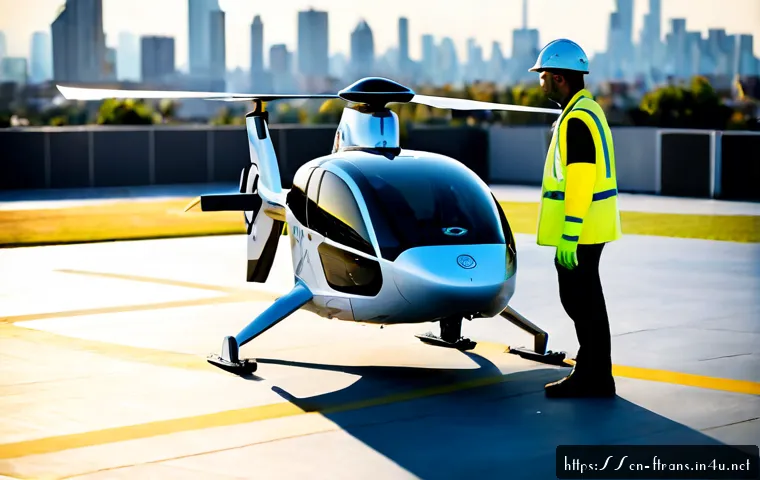
Air taxis may become a safe travel option, but safety depends on much more than a sleek eVTOL aircraft. Before booking, check commercial certification, operator procedures, weather limits, maintenance practices, and emergency planning.
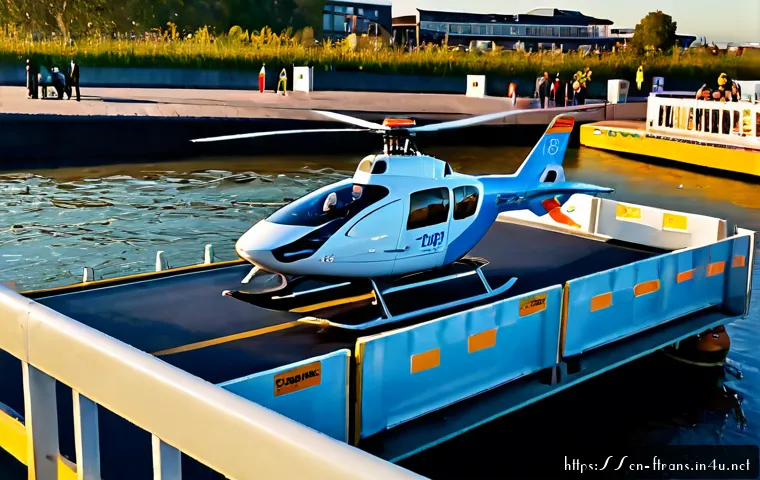
For corporate travelers, the main question is not simply whether an air taxi is faster, but whether the provider can deliver a dependable door-to-door trip.
A premium aerial transfer can be worth considering when time saved has real business value and backup ground transport is available. Marketing renders and prototype announcements are not the same as an active, approved passenger service.
Compare the entire operating system before paying a premium fare.
At a Glance
- Certification, operator discipline, and weather limits matter more than promotional aircraft visuals.
- eVTOL aircraft may use multiple rotors or propellers, but redundant systems do not remove every operational risk.
- Before booking, compare the aircraft, operator, route conditions, cancellation terms, insurance, and ground-transfer plan.
| Travel Option | Key Safety Controls to Review | Weather Sensitivity | Booking Flexibility | Likely Cost Position |
|---|---|---|---|---|
| Air Taxi / eVTOL Service | Aircraft approval, operator procedures, battery controls, vertiport handling, pilot or flight-control oversight | Can be limited by wind, visibility, thunderstorms, icing, and route restrictions | May be limited during early commercial operations | Premium mobility option |
| Helicopter Charter | Operator credentials, aircraft maintenance, pilot training, route and emergency procedures | Weather can affect availability and routing | Often arranged around charter availability and operational limits | Premium to very high-end travel option |
| Executive Ground Transfer | Driver standards, vehicle condition, route planning, passenger support | Usually less affected by aviation weather, though road conditions can matter | Generally easier to reroute or reschedule | Usually lower than aerial transport |
The Short Answer: Air-Taxi Safety Depends on the Entire Operating System
An air taxi is not safe merely because it has electric propulsion or multiple rotors. Passenger safety is the result of aircraft design, certification, maintenance, trained personnel, dispatch decisions, weather policies, and emergency response planning. A travel buyer should assess all of those layers rather than relying on a single technology claim.
Why the aircraft is only one part of passenger safety
An eVTOL aircraft may be designed with several rotors or propellers for vertical lift and forward flight. That design can include redundant components intended to reduce the effect of a single failure. However, redundancy does not remove all risk. Safe service also requires careful inspections, suitable maintenance controls, trained pilots where applicable, clear dispatch procedures, and a provider willing to delay or cancel a flight when conditions are not suitable.
What commercial certification is intended to verify
Passenger-carrying aircraft must meet the relevant aviation regulator’s safety and operational requirements before commercial use. For a prospective passenger or corporate travel planner, the practical check is simple: ask whether the aircraft and the intended passenger operation have the approvals required for that route and service. Do not assume that a public demonstration, a prototype flight, or a future route announcement means a bookable commercial operation is approved.
Why early services may operate with conservative limits
Initial air-taxi routes may have tighter operating limits while operators build experience and receive regulatory approval for their planned operations. This can mean narrower weather windows, fewer operating locations, or more conservative routing. That is not automatically a weakness. In many cases, cautious limits are part of a responsible operational approach.
What Safety Features Matter Most in an eVTOL Aircraft
When comparing an air-taxi operator, look beyond the number of rotors or the appearance of the cabin. The useful question is whether the provider can explain its system design, operating controls, maintenance process, and emergency planning in a clear, passenger-focused way.
Distributed propulsion and system redundancy
Many eVTOL concepts use multiple propellers or rotors. Distributed propulsion can support redundancy by reducing dependence on a single propulsion element. Still, a passenger should avoid treating “multiple motors” as a complete safety verdict. A meaningful comparison includes how the aircraft is maintained, how faults are detected, how operations are managed, and what limits apply to a particular route.
Battery monitoring, thermal management, and maintenance controls
Electric aircraft batteries need thermal management, inspection procedures, and fire-risk planning. These are operational issues, not just engineering details. A credible premium mobility provider should be prepared to explain how it approaches maintenance controls and how it handles disruptions or emergencies involving its electric aircraft systems. Specific technical claims should be verified through official operator and regulatory information.
Pilot workload, flight-control systems, and emergency landing capability
Flight-control systems, pilot training, dispatch support, and emergency procedures all influence how an air-taxi service manages routine and unusual situations. Ask who is responsible for flight decisions, how passenger briefings are handled, and what emergency response arrangements exist at the departure and arrival locations. The future availability of autonomous passenger air taxis remains market- and regulator-dependent, so it should not be assumed when comparing services.
Air Taxi vs. Helicopter vs. Ground Transfer: A Practical Safety and Value Comparison
No option is best for every trip. The right choice depends on the journey, weather, timing, passenger needs, and the financial value of saving time. For corporate travel, compare the full trip rather than only the airborne portion.
Comparing operating environments and weather limitations
Air taxis and helicopter charter both operate in aviation environments where wind, visibility, storms, icing, and route restrictions can matter. Executive ground transfers face different constraints, including traffic and road conditions, but may provide more flexibility when flights are disrupted. If a meeting is time-critical, a ground-transfer backup is often as important as the planned aerial leg.
Comparing passenger procedures and emergency planning
Air-taxi safety includes the experience on the ground. Vertiport design, obstacle clearance, passenger boarding procedures, and coordination with air traffic services are part of the wider system. Compare how each provider manages check-in, baggage limits, late arrivals, passenger assistance, and transfers from the landing site to the final destination.
When premium aerial travel may offer enough time value for business trips
A premium air-taxi service may be worth considering when it can reduce a meaningful ground bottleneck and the traveler has a reliable onward transfer. It may be less compelling when the vertiport is far from the actual destination, weather disruption is likely, or the schedule has little flexibility. A corporate travel policy should compare total travel time, cancellation exposure, and support procedures—not just flight duration.
What Can Disrupt a Flight: Weather, Infrastructure, and Operational Limits
A delayed or canceled air-taxi flight can be frustrating, but it can also show that an operator is respecting its safety limits. Travelers should treat operational restrictions as part of the service design, especially during the early phase of urban air mobility.

Wind, storms, visibility, and route restrictions
Wind, thunderstorms, reduced visibility, and icing can limit when and where an air-taxi flight can operate. The exact frequency of disruptions for a particular operator may not be known until meaningful commercial operating history exists. For that reason, do not book a critical connection without understanding the operator’s rerouting, cancellation, and passenger-support process.
Vertiport readiness and safe passenger handling
A safe route needs more than an approved aircraft. The departure and arrival sites must support orderly boarding, obstacle clearance, emergency access, and appropriate coordination with aviation services. Ask whether the listed departure point is an operational passenger location or simply a proposed future site.
Why cancellations can be a safety feature rather than a service failure
A provider that cancels a flight because conditions fall outside its operating limits may be making the correct decision. The better customer-service test is what happens next: clear communication, practical rebooking options, and coordinated ground transportation where available. A low-friction recovery plan matters for both leisure passengers and executive travel buyers.
Common Booking Mistakes to Avoid
Treating prototype announcements as active commercial availability
Do not confuse test flights, press events, aircraft orders, or future-network announcements with an approved passenger service. Confirm the specific aircraft, route, operating status, and booking conditions before building a trip around an air taxi.
Comparing ticket prices without checking transfer time and cancellation terms
An air-taxi fare is only one part of the cost. Compare the time and cost of reaching the vertiport, security or boarding time, arrival-side transfer, cancellation terms, and a backup plan. Exact ticket prices and route availability can change, so verify them directly with the provider.
Overlooking operator credentials, insurance, and customer support procedures
For a corporate travel option, review the operator’s stated credentials, insurance information, passenger support process, and disruption policy. Insurance terms can vary, so do not assume that coverage is identical across air-taxi operators, helicopter charter providers, or travel-booking channels.
Selection Criteria and Comparison Summary
Before choosing a premium aerial transfer, check commercial certification status, operator experience and procedures, weather and route limits, insurance and cancellation terms, and ground-transfer coordination. Also ask whether the provider offers clear passenger support if the flight cannot operate. If you are comparing corporate travel options, request the official service details and conditions from the relevant operator or travel provider before booking.
In Closing
Air taxis have the potential to add another premium travel option, particularly for time-sensitive urban and airport connections. Their safety should be evaluated as a complete operating system, not as a feature of the aircraft alone. A cautious weather policy, disciplined maintenance, qualified operations, and a well-planned vertiport experience are meaningful signs to look for. Until a specific service has an established commercial history, verify each claim for the actual route you plan to use.
Useful Things to Know
1. Multiple rotors or propellers can support redundancy, but they do not eliminate operational risk.
2. Battery safety involves monitoring, thermal management, inspection, and fire-risk planning.
3. An air-taxi cancellation may reflect proper adherence to weather or operational limits.
4. The fastest flight is not always the fastest complete trip; include every transfer in the comparison.
Important Notes
Certification status, service availability, route permissions, ticket prices, insurance terms, and cancellation policies must be confirmed for the specific operator and journey. A future aircraft or announced network may not yet be approved for passenger service. The safety record of a particular service cannot be determined until it has meaningful commercial operating history.
Frequently Asked Questions
Q1. Are air taxis safer than helicopters?
A1. There is no universal answer. Air taxis and helicopters should be compared through their approved operating model, maintenance, pilot or flight-control procedures, weather policies, route environment, and emergency planning. A specific air-taxi service may not yet have enough commercial operating history to support broad safety comparisons.
Q2. How can I check whether an air-taxi operator is properly certified and safe to use?
A2. Check whether the aircraft and passenger operation have the approvals required by the relevant aviation regulator. Then review the operator’s stated procedures for maintenance, weather decisions, emergency response, passenger handling, insurance, cancellations, and customer support. Confirm these details for the exact route rather than relying on general announcements.
Q3. Will air-taxi flights cost more than helicopter charter or executive car service?
A3. Exact prices are not fixed and should be confirmed with the provider. Air taxis are generally positioned as a premium mobility option, while executive ground transfer will often serve a different cost and flexibility profile. Compare the full trip value, including transfers, schedule reliability, cancellation terms, and the business value of time saved.