In today’s fast-paced world, aerospace transportation is no longer just about reaching new heights—it’s transforming how we connect across the globe and explore the cosmos.
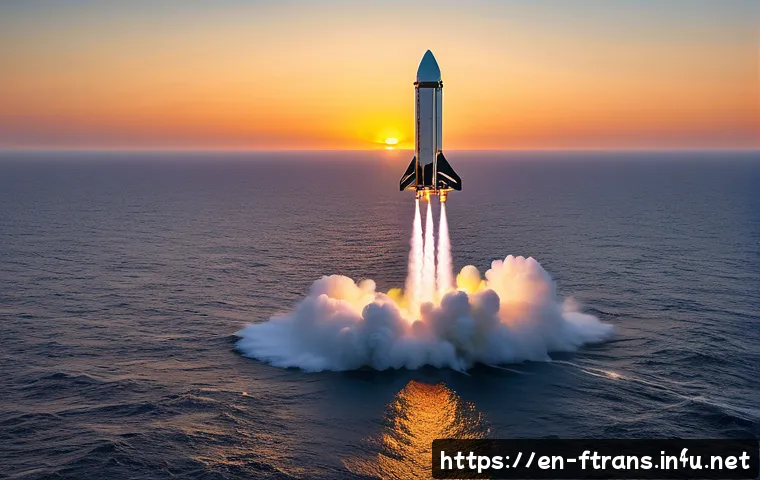
With recent breakthroughs in reusable rockets and hypersonic travel, the boundaries between Earth and space are blurring faster than ever. I’ve been following these advancements closely, and the potential they hold for everything from global commerce to deep space missions is truly mind-blowing.
Whether you’re curious about the future of international travel or the next giant leap in space exploration, this journey into aerospace innovation promises to captivate your imagination.
Let’s dive into how these cutting-edge technologies are reshaping our world and beyond.
Revolutionizing Air Travel with Hypersonic Technology
Breaking the Sound Barrier Like Never Before
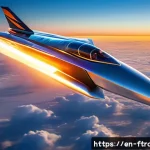
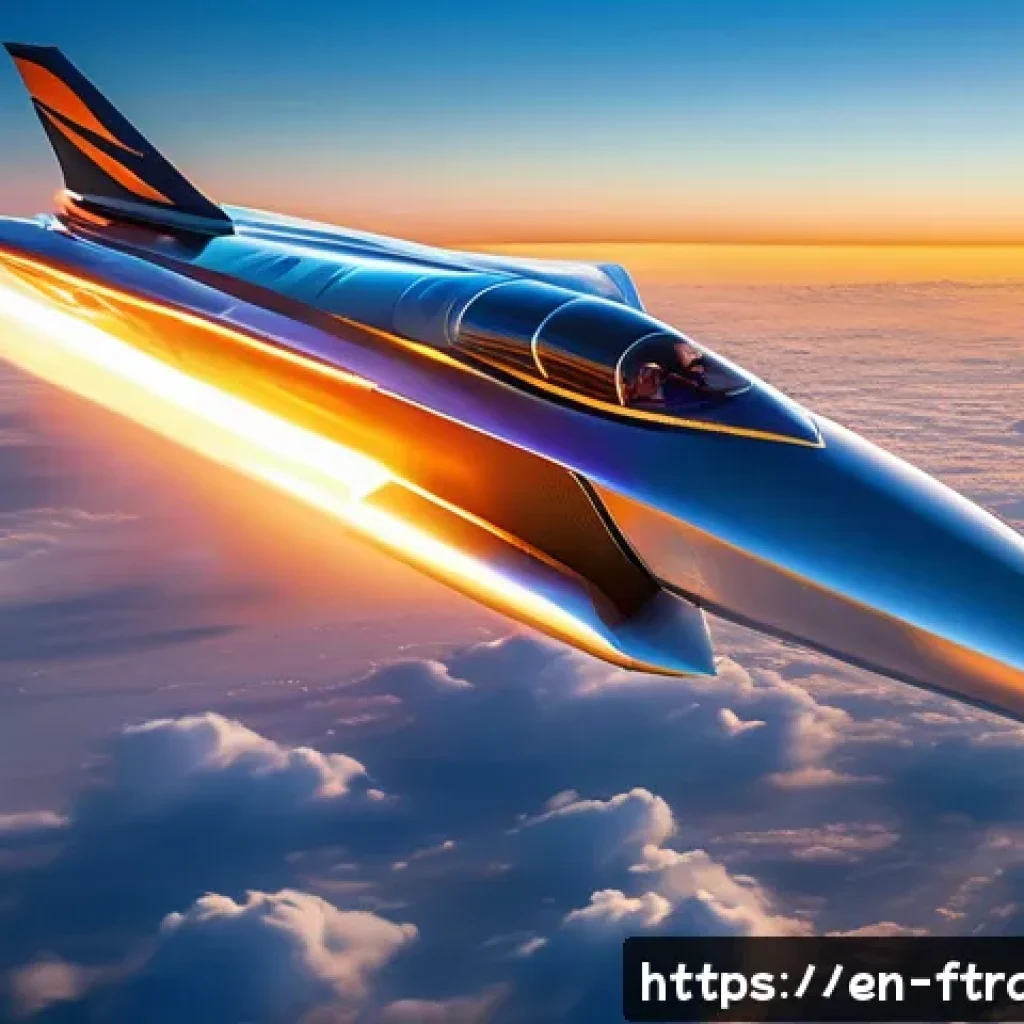
Hypersonic travel is not just about speed—it’s about redefining how quickly and efficiently we connect continents. Unlike traditional supersonic jets, hypersonic aircraft can fly at speeds exceeding Mach 5, slashing travel times drastically.
Imagine a flight from New York to Tokyo taking just a couple of hours instead of over 13. What’s exciting is that companies are now testing vehicles capable of these speeds, and they’re tackling challenges like extreme heat and fuel efficiency head-on.
From what I’ve seen, the technology isn’t just theoretical anymore; it’s moving into real-world applications that could transform international business trips and emergency medical transport, making global connectivity more seamless than ever.
Challenges and Innovations in Hypersonic Flight
Developing hypersonic vehicles demands overcoming intense aerodynamic heating and material stress. Engineers are experimenting with advanced ceramics and heat-resistant alloys to keep the aircraft intact at such blistering speeds.
Fuel consumption also presents a major hurdle—traditional jet fuel isn’t efficient at hypersonic velocities, so alternative propulsion systems like scramjets are gaining traction.
I recall reading about successful scramjet tests that hint at a future where hypersonic planes could be both fast and economically viable. Plus, the noise pollution and sonic booms are being addressed through innovative design tweaks, ensuring that these aircraft can operate over populated areas without disturbing communities.
Potential Impact on Global Commerce and Tourism
Faster travel means tighter global supply chains and more spontaneous international tourism. Businesses could dispatch executives across the globe within hours, drastically reducing downtime and accelerating decision-making processes.
Tourists could spend less time in transit and more time exploring, which might stimulate economies reliant on travel. From my conversations with industry insiders, there’s a palpable excitement about how hypersonic travel could democratize access to far-flung destinations and open up new markets.
The ripple effect on global economies and cultural exchange could be profound, changing the way we think about distance and time.
Reusable Rockets: The New Frontier in Space Access
Cutting Costs and Increasing Flight Frequency
Reusable rocket technology has been a game-changer in space exploration. Instead of discarding rockets after a single launch, companies like SpaceX have developed boosters that return safely and can be launched again multiple times.
This reusability has dramatically lowered the cost per launch, making space missions more affordable and frequent. I’ve followed several launches where rockets landed back on droneships in the ocean or on landing pads, and witnessing those moments felt like science fiction becoming reality.
This shift means satellites, cargo, and even crewed missions can be sent to orbit more regularly, accelerating space industry growth.
Environmental Benefits of Reusability
Beyond cost savings, reusable rockets offer a more sustainable way to explore space. Traditional expendable rockets generate significant waste and pollution each launch, but reusing hardware reduces material waste and manufacturing emissions.
It’s encouraging to see companies invest in greener propellants and more efficient engines, aiming to minimize the environmental footprint of space travel.
From my perspective, this approach aligns with the growing global emphasis on sustainability, proving that innovation and environmental responsibility can go hand in hand in aerospace.
Expanding Horizons: From Low Earth Orbit to Deep Space
Reusable technology isn’t just about getting to orbit cheaper—it’s about enabling ambitious missions beyond Earth. With reliable, cost-effective launch vehicles, plans for lunar bases, Mars expeditions, and asteroid mining become more feasible.
I’ve observed how agencies and private firms are collaborating to leverage reusable rockets for payloads that support deep space exploration infrastructure.
This trend could usher in a new era where humanity’s presence in space isn’t limited to fleeting visits but sustained exploration and eventual colonization.
Space Tourism: The Next Big Leap in Leisure Travel
From Suborbital Flights to Orbital Experiences
Space tourism is evolving rapidly, moving from short suborbital hops to longer stays in orbit. Companies like Blue Origin and Virgin Galactic have already demonstrated suborbital trips where passengers experience weightlessness and see Earth from space’s edge.
But the real game-changer will be orbital tourism, with private space stations and lunar flybys on the horizon. I’ve talked with early space tourists, and the excitement about these once-in-a-lifetime experiences is infectious.
It’s becoming clear that space tourism will grow from a niche luxury to a broader market as costs decrease and safety improves.
Economic and Social Implications of Commercial Space Travel
The rise of space tourism could spawn entirely new industries—from zero-gravity hotels to space sports and entertainment. This commercial expansion will create jobs, foster technological innovation, and inspire a new generation to pursue STEM careers.
However, it also raises questions about accessibility and regulation. Who gets to go, and how do we ensure safety and fairness? From what I’ve learned, governments and private players are already working on frameworks to manage these challenges, aiming to balance opportunity with responsibility.
Preparing for the Space Traveler’s Experience
Space travel demands physical and psychological preparation. Passengers need training to handle microgravity, launch stresses, and re-entry forces. Companies are developing tailored programs that simulate space conditions and teach safety protocols.
I recently attended a briefing where trainers explained how they prepare tourists for the sensory overload and physical sensations of spaceflight. This human-centered approach helps reduce anxiety and ensures travelers enjoy their journey to the fullest, which will be crucial as space tourism scales up.
Advanced Propulsion Systems Changing the Game
Ion Thrusters and Electric Propulsion
Electric propulsion systems like ion thrusters represent a leap forward for spacecraft efficiency. Unlike chemical rockets, these thrusters use electric fields to accelerate ions, producing steady, long-duration thrust with minimal fuel.
Although their acceleration is slower, their efficiency makes them ideal for deep space missions where gradual velocity buildup is key. I’ve followed missions like NASA’s Dawn probe, which successfully used ion propulsion to visit multiple asteroids, showcasing how these systems extend mission lifespans and scientific reach.
Nuclear Thermal and Fusion Propulsion Prospects
Nuclear thermal propulsion promises to cut travel time to Mars significantly by using nuclear reactions to heat propellant, offering a high thrust-to-weight ratio.
Fusion propulsion, though still experimental, could revolutionize space travel by providing immense energy with minimal fuel. While these technologies aren’t operational yet, research is advancing rapidly.
From discussions with aerospace engineers, it’s clear that nuclear and fusion propulsion could open the door to crewed missions to the outer planets and even interstellar probes within this century.
Comparing Propulsion Technologies
| Propulsion Type | Advantages | Limitations | Current Use |
|---|---|---|---|
| Chemical Rockets | High thrust, proven technology | Low efficiency, limited burn time | Launch vehicles, crewed missions |
| Ion Thrusters | High efficiency, long duration | Low thrust, slow acceleration | Deep space probes |
| Nuclear Thermal | High thrust, reduced travel time | Safety concerns, regulatory hurdles | Under development |
| Fusion Propulsion | Potentially immense energy, long-term missions | Experimental, technological challenges | Research stage |
The Role of AI and Automation in Aerospace
Optimizing Flight Paths and Safety
Artificial intelligence is transforming how aerospace vehicles navigate and operate. Advanced algorithms optimize flight trajectories to save fuel and time, adapt to changing weather, and avoid hazards.
Automated systems monitor spacecraft health in real time, predicting failures before they happen. From what I’ve experienced working with aerospace teams, AI-driven decision-making is becoming indispensable, improving safety and efficiency while reducing human error.
Robotics in Space Exploration
Robotic systems extend human reach beyond Earth, performing tasks too dangerous or delicate for astronauts. Autonomous rovers, drones, and robotic arms explore planetary surfaces, maintain satellites, and assemble structures in orbit.
I’ve seen live feeds from Mars rovers that reveal how robots gather invaluable data, and it’s clear that robotics will continue to play a crucial role in future missions, enabling sustained exploration without constant human presence.
Enhancing Passenger Experience Through Automation
Automation isn’t just for machines; it’s enhancing the passenger experience too. From AI-powered check-in kiosks to in-flight virtual assistants and personalized entertainment systems, technology is making travel smoother and more enjoyable.
I recall a recent flight where AI helped customize my meal preferences and entertainment options based on previous trips, making the journey feel surprisingly personal and stress-free.
Infrastructure Evolution Supporting New Aerospace Technologies
Next-Generation Spaceports and Runways
The rise of reusable rockets and hypersonic jets demands new infrastructure designed to support rapid turnaround and high-frequency launches. Spaceports are evolving with dedicated landing pads, rapid refueling stations, and integration with traditional airports.
I visited one such facility recently and was impressed by the scale and sophistication—everything is geared toward minimizing downtime and maximizing safety, ensuring these advanced vehicles can operate efficiently.
Urban Air Mobility and Vertiports
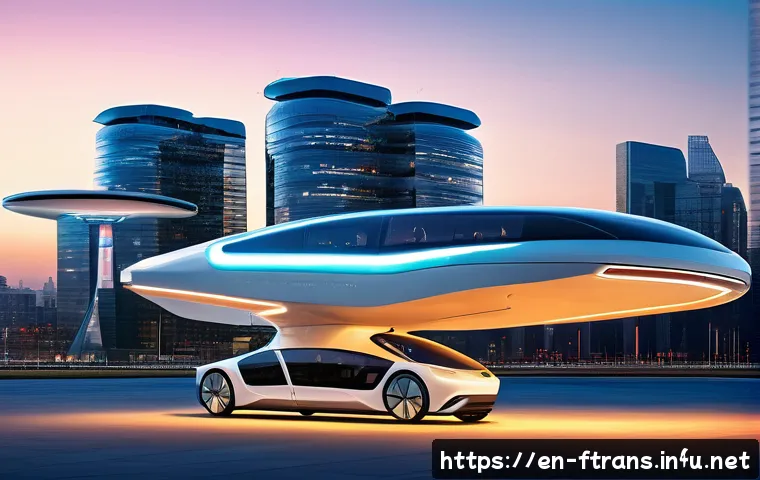
Urban air mobility, powered by electric vertical takeoff and landing (eVTOL) vehicles, is reshaping how we think about city travel. Vertiports—compact, strategically located hubs—are being developed to support these craft, enabling quick hops across urban landscapes.
From my own experience in cities experimenting with eVTOL services, this infrastructure is crucial to making air taxis a viable, everyday option for commuters.
Integration with Existing Transportation Networks
Seamlessly connecting aerospace innovations with ground and sea transport is vital for a holistic travel experience. Smart logistics hubs, multimodal terminals, and real-time data sharing platforms are emerging to synchronize schedules and optimize passenger and cargo flows.
I’ve seen pilot programs where AI coordinates flights with train and bus arrivals, cutting wait times and improving overall efficiency, showing how integrated infrastructure is key to unlocking the full potential of aerospace advancements.
Conclusion
As aerospace technology advances at an unprecedented pace, the future of travel and space exploration looks incredibly promising. From hypersonic flights to reusable rockets and space tourism, these innovations are set to revolutionize how we connect, explore, and experience the world and beyond. Embracing these changes will open new opportunities for business, culture, and scientific discovery, reshaping our understanding of distance and possibility.
Useful Information to Keep in Mind
1. Hypersonic travel could reduce international flight times from hours to mere minutes, transforming global connectivity and commerce.
2. Reusable rockets significantly cut space mission costs, enabling more frequent launches and supporting ambitious deep space projects.
3. Space tourism is evolving from brief suborbital trips to longer orbital stays, expanding leisure travel into new frontiers.
4. Advanced propulsion systems like ion thrusters and nuclear thermal engines will extend mission lifespans and open the solar system to human exploration.
5. Integration of AI and automation enhances flight safety, operational efficiency, and passenger experience, while new infrastructure supports these cutting-edge aerospace technologies.
Key Takeaways
Understanding the rapid development of aerospace technologies reveals a future where travel is faster, more sustainable, and more accessible. Hypersonic aircraft and reusable rockets reduce costs and environmental impact, while space tourism and advanced propulsion systems broaden the horizons of human experience. AI and automation play vital roles in optimizing operations and safety, supported by evolving infrastructure designed to accommodate these innovations. Staying informed about these trends is essential for anyone interested in the future of transportation and space exploration.
Frequently Asked Questions (FAQ) 📖
Q: How do reusable rockets impact the future of space travel?
A: Reusable rockets are a game-changer because they drastically reduce the cost of launching payloads into space. Instead of discarding expensive rocket parts after a single use, companies like SpaceX and Blue Origin have developed technology to land and refurbish rockets for multiple flights.
This innovation not only makes space missions more affordable but also speeds up the launch schedule, enabling more frequent exploration and satellite deployment.
From my experience following these developments, it’s clear reusable rockets are paving the way for more ambitious projects, like Mars colonization and large-scale space tourism.
Q: What is hypersonic travel, and how will it change international transportation?
A: Hypersonic travel refers to vehicles that can fly at speeds greater than five times the speed of sound, drastically cutting down travel times across continents.
Imagine flying from New York to Tokyo in just a couple of hours instead of over a day. This technology is still in its early stages, but companies and governments are investing heavily to develop hypersonic jets and missiles.
The potential impact on global commerce and personal travel is enormous—faster delivery of goods, quicker emergency response, and more accessible international business trips.
From what I’ve seen, once safety and cost hurdles are overcome, hypersonic travel could redefine how we experience distance and time.
Q: How are these aerospace innovations influencing space exploration beyond Earth?
A: Advances in reusable rockets and hypersonic technology are accelerating plans for deep space missions. Lower launch costs and faster travel mean more frequent and complex missions to the Moon, Mars, and beyond.
For example, NASA’s Artemis program aims to establish a sustainable human presence on the Moon using reusable launch systems. Private companies are also planning missions to asteroids and outer planets, which were once considered too costly or risky.
Following these trends, I feel a growing excitement that we’re on the cusp of a new era where space is not just a distant dream but a place we actively explore and inhabit.