Lately, urban commuters are experiencing a major shift in how they get around, thanks to the rise of shared economy platforms. With cities growing denser and traffic congestion worsening, traditional transportation just doesn’t cut it anymore.

From bike-sharing to ride-hailing, these smart mobility solutions are reshaping daily travel, making it more affordable, eco-friendly, and flexible. If you’ve ever struggled with last-mile connectivity or dreaded rush hour, this revolution might just be the game-changer you need.
Let’s dive into how shared economy models are transforming urban mobility and what it means for your daily commute.
Rethinking How We Move Around Cities
Breaking Free from Car Dependence
Many urban dwellers have realized that owning a car in the city often feels more like a burden than a convenience. Parking hassles, steep maintenance costs, and relentless traffic jams make driving a daily headache.
Over the past few years, I’ve personally shifted away from relying on my car for short trips. Instead, I’ve started tapping into alternative transport options that not only save me money but also reduce stress.
It’s a small lifestyle change, but it’s been transformative in how I experience my city. The freedom to hop on a shared bike or call a ride on demand has replaced the frustration of searching for parking or sitting in gridlock.
Flexibility at Your Fingertips
One of the biggest perks of these new transportation methods is flexibility. Unlike fixed bus or train schedules, platforms like scooter-sharing or ride-hailing apps give you control over your timing and route.
I remember rushing to a meeting once when the bus was delayed, but a quick app search found me a nearby electric scooter. I was able to reach my destination faster without breaking a sweat.
This on-demand nature is a game-changer, especially for those unpredictable days when plans change last minute. It’s like having a personalized transit system tailored exactly to your needs.
Environmental Impact in Everyday Choices
Choosing shared mobility options also feels good from an environmental standpoint. Cities are choking on pollution, and switching from a personal car to a shared bike or electric scooter can drastically cut your carbon footprint.
I was surprised to learn that replacing just a few car trips per week with shared rides or cycling contributes to a meaningful reduction in greenhouse gases.
It’s empowering to know that small daily decisions can collectively make a difference. Plus, many cities are pushing for greener infrastructure, making it easier and safer to use these modes of transport.
Cost Benefits Beyond the Fare
Saving Money on Commuting
When I started comparing expenses, the numbers spoke for themselves. Paying for parking, gas, insurance, and car maintenance adds up quickly. In contrast, subscribing to a bike-share program or using ride-hailing services for occasional trips often costs a fraction of that.
Monthly budgets suddenly had more breathing room, allowing me to invest in other priorities. For anyone feeling the pinch of rising urban living costs, these shared options offer genuine relief without sacrificing convenience.
Hidden Savings in Time and Stress
Time is money, and I’ve found that the time saved by avoiding traffic jams or waiting for infrequent buses is priceless. Stress levels drop when you don’t have to wrestle with city driving or worry about parking tickets.
This mental relief often goes unnoticed but is a critical part of the overall cost-benefit equation. Feeling more relaxed and in control during your commute can positively impact your productivity and well-being throughout the day.
Comparing Costs: A Quick Overview
| Transportation Mode | Average Monthly Cost | Convenience | Environmental Impact |
|---|---|---|---|
| Car Ownership | $600 – $1,000 | Moderate | High Emissions |
| Bike-Sharing | $30 – $70 | High | Low Emissions |
| Ride-Hailing | $100 – $300 | Very High | Moderate Emissions |
| Public Transit | $70 – $120 | Moderate | Low Emissions |
Bridging the Last Mile Challenge
Why Last-Mile Matters
One of the biggest frustrations in city travel has always been the “last mile” — the distance between a transit stop and your final destination. Even the best subway or bus system can leave you stranded if you have to walk several blocks, especially with heavy bags or in bad weather.
I’ve often found myself hesitating to use public transit simply because the last leg of the journey felt inconvenient or unsafe. This gap has historically pushed many to stick with cars despite the downsides.
Micro-Mobility Solutions to the Rescue
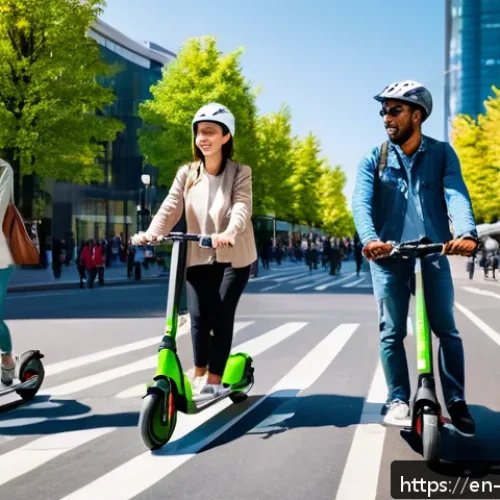
Enter electric scooters, bike shares, and even shared e-bikes. These micro-mobility options are designed specifically to solve the last-mile problem. Personally, having a scooter app on my phone has made it so easy to cover that final stretch from the train station to my office.
It’s quick, fun, and beats walking, especially when time is tight. Cities that have embraced these services report higher public transit usage because people feel confident they can complete their journeys smoothly.
Safety and Infrastructure Improvements
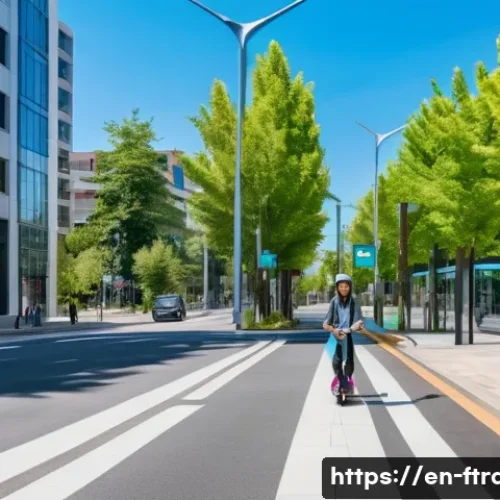
Of course, for these solutions to work well, cities need to invest in safe infrastructure like bike lanes and scooter parking zones. I’ve noticed in my area that new bike lanes have popped up, making me feel much safer while riding.
That sense of safety encourages more people to choose these alternatives. When infrastructure supports smart mobility, it creates a positive feedback loop — more users lead to more investments, which in turn boost usage even further.
Technology Driving Smarter Travel
Seamless App Integration
The technology behind these shared mobility services is truly impressive. What once required juggling multiple apps or payment methods has now been streamlined into a few integrated platforms.
My favorite app combines bike rentals, ride-hailing, and public transit schedules all in one place. This level of integration removes friction and makes planning trips effortless.
Having real-time updates on vehicle availability, traffic, and pricing right on my phone feels like having a personal travel assistant.
Data-Driven Improvements
Behind the scenes, these platforms gather massive amounts of data to optimize routes, vehicle placement, and pricing strategies. I’ve noticed that scooters and bikes are almost always available near my usual spots, which is no accident.
Companies analyze usage patterns to anticipate demand and reduce wait times. This data-driven approach not only improves user experience but also helps cities manage traffic and reduce congestion more effectively.

Future Innovations on the Horizon
The pace of innovation in urban mobility is thrilling. Concepts like autonomous shuttles, AI-driven traffic management, and smarter charging stations for electric vehicles are already in testing phases.
I can’t wait to see how these advancements will further shrink commute times and improve sustainability. It feels like we’re on the brink of a transportation revolution that will make getting around cities faster, greener, and more enjoyable than ever before.
Building Communities Through Shared Travel
Social Connections on the Go
Shared mobility isn’t just about transportation; it can foster a stronger sense of community. When I use ride-pooling or bike-sharing, I often bump into neighbors or chat with fellow commuters.
These casual encounters turn mundane commutes into social moments that brighten the day. It’s a subtle but meaningful way to reconnect in a city that can sometimes feel isolating.
Supporting Local Economies
Many shared mobility providers partner with local businesses and governments, creating jobs and stimulating economic activity. For instance, local mechanics and tech workers are often employed to maintain fleets of shared bikes and scooters.
When I read about these initiatives, it makes me appreciate that my choice to ride a shared bike has ripple effects beyond just my convenience.
Encouraging Healthier Lifestyles
Choosing active modes of transportation like cycling or scootering encourages physical activity, which benefits health and well-being. I’ve found that swapping a short car trip for a bike ride not only reduces emissions but also helps me stay fit.
It’s a win-win that makes the daily grind a little more pleasant and energizing.
Challenges and Considerations for the Road Ahead
Managing Urban Space and Clutter
While shared mobility brings many benefits, it also raises new challenges. One issue I’ve noticed is the clutter of parked scooters and bikes blocking sidewalks.
Cities need clear regulations and designated parking to keep public spaces accessible and safe. It’s a balancing act between encouraging use and maintaining order.
Equity and Accessibility Concerns
Not all neighborhoods benefit equally from these services. Some low-income or underserved areas have limited access, which can deepen existing inequalities.
I believe providers and city planners must work together to ensure shared mobility is inclusive and affordable for everyone, not just those in trendy districts.
Ensuring Safety for All Users
Safety remains a key concern, especially for inexperienced riders or in traffic-heavy zones. Helmet use, speed limits, and rider education are crucial.
From my experience, cities that invest in safety campaigns and infrastructure see fewer accidents and higher adoption rates, making these services sustainable in the long term.
In Conclusion
Rethinking urban mobility is more than just a trend; it’s a lifestyle shift that benefits individuals and communities alike. Embracing shared and flexible transportation options has helped me save money, reduce stress, and contribute to a cleaner environment. As cities continue to evolve, these smart travel choices will play a crucial role in shaping healthier, more connected urban lives.
Useful Information to Keep in Mind
1. Shared mobility options like bike-sharing and ride-hailing offer greater flexibility compared to traditional public transit schedules.
2. Switching from personal car use to shared transportation can significantly reduce monthly commuting costs and environmental impact.
3. Micro-mobility solutions effectively solve the “last mile” problem, making public transit more convenient and accessible.
4. Advances in technology streamline trip planning through integrated apps, improving user experience and reducing wait times.
5. Safety, equitable access, and urban infrastructure are critical factors that influence the success and sustainability of shared mobility services.
Key Takeaways
Urban transportation is undergoing a transformative phase, with shared and micro-mobility options offering practical, economical, and eco-friendly alternatives to car ownership. Flexibility and technology integration enhance convenience, while investments in infrastructure and safety promote wider adoption. To ensure these benefits reach everyone, cities and providers must prioritize inclusivity and responsible urban planning. Ultimately, smarter travel choices pave the way for healthier communities and a more sustainable future.
Frequently Asked Questions (FAQ) 📖
Q: uestions about Shared Economy in Urban MobilityQ1: How do shared economy platforms improve urban commuting compared to traditional transportation?
A: Shared economy platforms offer greater flexibility and affordability than traditional transport options. For example, bike-sharing and ride-hailing services allow commuters to avoid rigid schedules and costly parking fees.
From my own experience, using a scooter-share to cover short distances after getting off public transit has saved me both time and money. These platforms also reduce the number of private cars on the road, easing traffic congestion and lowering pollution—something especially important in crowded city centers.
Q: Are shared mobility options safe and reliable for daily use?
A: Safety and reliability have improved significantly as shared mobility services have matured. Most platforms implement strict vehicle maintenance protocols and provide insurance coverage.
When I first tried a bike-share service, I was cautious, but the bikes were well-maintained and the app’s real-time tracking gave me confidence. However, it’s wise to check reviews and usage guidelines before committing.
Using official apps and staying aware of traffic rules are key to ensuring a safe and dependable commute.
Q: Can these shared economy solutions really help with last-mile connectivity challenges?
A: Absolutely. Last-mile connectivity—the gap between public transit stops and your final destination—has long been a headache for urban commuters. Shared mobility options like e-scooters, bike-shares, and carpooling fill that gap effectively.
From what I’ve noticed, hopping on a shared e-scooter after a subway ride can cut down walking time drastically, making the whole trip smoother and less tiring.
Plus, these options are often available on-demand and near transit hubs, offering unmatched convenience.