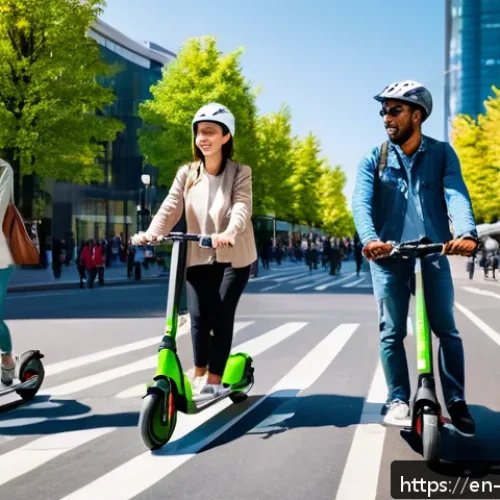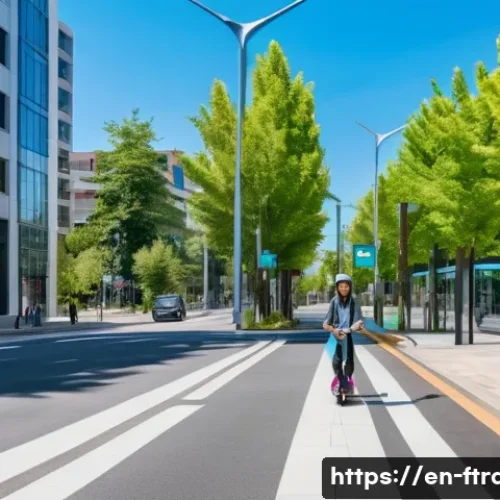
Electric scooters have rapidly transformed urban transportation, offering a convenient and eco-friendly way to navigate busy streets. Their rise reflects a growing demand for sustainable alternatives that reduce traffic congestion and carbon emissions.

Whether for short commutes or quick errands, shared scooters provide flexibility and affordability that appeal to a wide range of city dwellers. However, alongside their popularity come questions about safety, regulations, and long-term impact on urban mobility.
Understanding these aspects is key to making the most out of this modern transit option. Let’s dive deeper and uncover the full story behind shared scooters!
Adapting City Life with Micro-Mobility
Revolutionizing Short-Distance Travel
Electric scooters have reshaped how people approach short-distance travel in cities. Unlike traditional public transit or personal cars, they offer an unparalleled combination of speed and convenience, especially for trips under three miles.
From my own experience, hopping on a scooter to run errands or get to a nearby café slashes commute time dramatically. This form of micro-mobility fills the gap between walking and driving, making it a perfect solution for “last mile” connectivity.
Urban dwellers appreciate how scooters reduce reliance on cars, alleviating traffic jams and parking challenges. Plus, the flexibility to pick up and drop off scooters almost anywhere within designated zones makes spontaneous trips effortless.
Integrating with Existing Transit Systems
The true power of electric scooters emerges when integrated with public transit networks. In many cities, scooters complement buses and trains by bridging the distance between transit stops and final destinations.
I’ve noticed how this seamless connection encourages more people to use public transportation, reducing overall car use. Cities are increasingly designing infrastructure like scooter-friendly lanes and parking areas near transit hubs to facilitate this synergy.
However, successful integration requires coordinated planning, clear signage, and public education to ensure safety and efficiency. When done right, this multimodal approach enhances urban mobility and cuts down on carbon footprints.
Challenges in Urban Infrastructure
Despite their benefits, scooters bring challenges to city infrastructure. Sidewalk clutter and improper parking often frustrate pedestrians and local businesses.
On my daily routes, I’ve seen scooters left haphazardly blocking entrances or pathways, which raises accessibility concerns. Many cities are responding by implementing designated parking zones and enforcing stricter rules.
Moreover, the lack of dedicated scooter lanes in some areas forces riders to share roads with cars or sidewalks with pedestrians, increasing accident risks.
Addressing these issues requires investment in infrastructure upgrades and thoughtful urban design that balances the needs of all city users.
Safety Considerations and Rider Responsibility
Understanding Common Risks
Electric scooters, while fun and efficient, come with inherent risks. I’ve personally witnessed minor falls caused by uneven pavement or sudden stops.
Riders often underestimate the importance of protective gear, yet helmets can be lifesavers in accidents. Collisions with cars, pedestrians, or other scooters remain a concern, especially in dense traffic or poorly lit areas.
Speed control is another factor; many scooters can reach speeds up to 15 mph, which can be dangerous in crowded environments. Public awareness campaigns and rider education programs are essential to reducing these risks and promoting responsible use.
Legal Regulations and Enforcement
Laws governing scooter use vary widely between cities and states, creating confusion for riders. Some places require helmets by law, while others enforce speed limits or restrict scooter access to certain zones.
I’ve had to check local regulations before riding in unfamiliar neighborhoods to avoid fines. Law enforcement faces challenges in monitoring and managing scooter traffic, especially with the rise of dockless models.
Effective regulation balances encouraging eco-friendly transport while protecting public safety. Clear communication of rules and consistent enforcement are key to fostering a culture of respect among riders and pedestrians alike.
Community Impact and Conflict Resolution
Scooters often spark debates within communities about noise, clutter, and safety. In some neighborhoods, residents complain about scooters left blocking sidewalks or the reckless behavior of riders.
From my conversations with locals, it’s clear that ongoing dialogue between scooter companies, city officials, and citizens is vital. Programs that allow users to report issues, combined with prompt responses, help ease tensions.
Education campaigns emphasizing courteous riding and proper parking have proven effective in several cities. Ultimately, fostering mutual respect between all urban road users creates a more harmonious environment.
Environmental Benefits and Sustainability
Reducing Carbon Footprint
One of the most compelling reasons to embrace electric scooters is their positive environmental impact. Compared to cars, scooters produce zero direct emissions, which significantly lowers urban air pollution.
During my daily rides, I appreciate knowing that I’m contributing less to greenhouse gas emissions. When scooters replace car trips, especially short ones, the collective reduction in carbon footprint can be substantial.
Additionally, many scooter companies use electric fleets for charging and encourage renewable energy sources, further enhancing sustainability.
Battery Life and Recycling Challenges
While scooters are eco-friendly in operation, their batteries and manufacturing raise sustainability questions. Lithium-ion batteries have limited lifespans and require proper recycling to avoid environmental harm.
I’ve learned that some companies have initiated battery swap programs and recycling initiatives to address this. However, the disposal and replacement of batteries remain a challenge for the industry.
Efficient battery management, longer-lasting components, and circular economy practices will be crucial for scooters to maintain their green credentials in the long run.
Comparing Environmental Impact with Other Transport Modes
When evaluating sustainability, it’s important to compare scooters with alternative transportation options. Here’s a quick overview:
| Transport Mode | Average Carbon Emissions (g CO2 per km) | Typical Cost per Mile | Common Use Case |
|---|---|---|---|
| Electric Scooter | 6-10 | $0.15 – $0.40 | Short urban trips, last mile connectivity |
| Bicycle | 0 | Varies (mostly upfront cost) | Exercise, commuting |
| Car (Gasoline) | 180-250 | $0.60 – $1.00+ | Longer commutes, cargo transport |
| Public Bus | 50-80 | $0.10 – $0.30 | Medium to long urban routes |
As seen, electric scooters offer a low-emission and cost-effective alternative, especially for short distances where cars are less efficient.
Economic Accessibility and Urban Equity

Affordability for Diverse Populations
Electric scooters provide an affordable transportation option that can benefit a broad demographic, including students, low-income workers, and tourists.
From my observations, the pay-as-you-go model allows users to avoid costly monthly transit passes or car ownership expenses. Many cities partner with scooter companies to offer discounted rides for underserved communities, improving accessibility.
This affordability can increase mobility options for people who might otherwise be limited to walking or expensive taxis, helping bridge transportation gaps in urban areas.
Barriers to Access and Inclusion
Despite their promise, scooters aren’t accessible to everyone. Individuals with disabilities, older adults, and those unfamiliar with technology may find scooters challenging to use.
I’ve noticed that app-based rentals require smartphones and credit cards, which can exclude some users. Additionally, infrastructure gaps like lack of ramps or uneven surfaces pose physical barriers.
Cities and companies are beginning to explore inclusive designs and alternative access methods, but there is still significant room for improvement to ensure equitable transportation options.
Impact on Local Businesses and Employment
Scooters also influence local economies in subtle ways. On one hand, they increase foot traffic near shops and restaurants by making short trips easier.
I’ve seen small businesses benefit when customers can quickly stop by without parking hassles. On the other hand, concerns about sidewalk congestion and safety sometimes worry merchants.
Furthermore, scooter operations create new job opportunities in maintenance, charging, and fleet management. As the market matures, balancing business interests with community needs will shape the future economic landscape around these devices.
Technological Innovations Driving the Future
Advancements in Battery and Motor Efficiency
Recent improvements in battery technology have significantly extended scooter range and reduced charging times. From testing newer models, I can attest that modern scooters now comfortably cover 20+ miles per charge, which opens up longer commuting possibilities.
Brushless motors and regenerative braking systems enhance energy efficiency and reduce wear. These innovations not only improve user experience but also reduce operational costs and environmental impact, making scooters more sustainable and practical for everyday use.
Smart Features Enhancing Safety and Convenience
Many scooters now come equipped with smart features such as GPS tracking, anti-theft alarms, and automatic speed adjustments based on location. I find the geofencing technology particularly helpful—it slows scooters down in crowded or high-risk areas, improving safety for everyone.
Some models also offer app-based diagnostics that alert users to maintenance needs, preventing breakdowns mid-ride. These technological upgrades foster trust and reliability, encouraging more people to adopt scooters as a primary transport choice.
Future Trends and Integration Possibilities
Looking ahead, electric scooters are poised to become even more integrated into smart city ecosystems. Concepts like vehicle-to-infrastructure communication and AI-driven traffic management could optimize routes and reduce accidents.
I’m excited about the potential for scooters to connect with other modes of transport via unified apps, offering seamless trip planning and payment. Autonomous scooter fleets, though still experimental, hint at a future where shared mobility is even more accessible and efficient.
Keeping an eye on these trends will be essential for cities aiming to stay ahead in sustainable urban transport.
Conclusion
Electric scooters have transformed urban mobility by offering a flexible, eco-friendly alternative for short-distance travel. Their integration with public transit and ongoing technological advancements promise even greater convenience and sustainability. While challenges remain, thoughtful planning and community engagement can help maximize their benefits. Embracing micro-mobility is a vital step toward smarter, greener cities.
Useful Information to Know
1. Electric scooters are ideal for trips under three miles, bridging the gap between walking and driving, and improving “last mile” connectivity.
2. Successful integration with public transit requires dedicated infrastructure, clear signage, and public education to ensure safety and efficiency.
3. Wearing helmets and following local laws greatly reduce the risks associated with riding scooters in urban environments.
4. Although scooters produce minimal emissions during use, responsible battery recycling and maintenance are essential for long-term sustainability.
5. Affordability and accessibility vary, so efforts to include underserved populations and improve infrastructure can enhance equitable urban mobility.
Key Takeaways
Electric scooters offer a convenient, cost-effective, and environmentally friendly mode of transportation that suits the fast pace of city life. Their success depends on balancing innovation with safety, infrastructure improvements, and community cooperation. Awareness of local regulations and responsible riding behavior play crucial roles in minimizing conflicts and accidents. Continued advancements in battery technology and smart features will further elevate the user experience and sustainability. Ultimately, integrating micro-mobility into urban planning paves the way for more efficient and inclusive cities.
Frequently Asked Questions (FAQ) 📖
Q: Are electric scooters safe to use in busy urban areas?
A: Electric scooters can be safe when used responsibly, but their safety largely depends on rider behavior and local infrastructure. Wearing a helmet, obeying traffic laws, and staying aware of pedestrians and vehicles are crucial.
Many cities have introduced designated scooter lanes to improve safety, but riders should always exercise caution, especially in crowded or high-traffic zones.
From my experience, taking it slow in unfamiliar areas and avoiding busy streets during rush hour makes the ride much more comfortable and secure.
Q: What regulations should I be aware of before using a shared electric scooter?
A: Regulations vary widely depending on the city or state, but common rules include age restrictions (usually 16 or 18+), speed limits (often capped around 15-20 mph), and where scooters can be ridden—sidewalk riding is often prohibited.
Some places require helmets or limit scooter use to certain hours. It’s a good idea to check local government websites or the scooter company’s app for specific guidelines.
Personally, I always review the rules before riding in a new city to avoid fines and stay compliant.
Q: How do electric scooters contribute to reducing traffic congestion and pollution?
A: Electric scooters offer a green alternative to cars, especially for short trips under 3 miles, which make up a significant portion of urban travel. By replacing car rides, they help cut down on traffic jams and lower carbon emissions since they run on electricity and don’t burn fossil fuels.
From what I’ve seen, in neighborhoods where scooter programs are popular, there’s noticeably less car traffic during peak hours, making streets less congested and air quality better.
Plus, scooters are quiet, which reduces noise pollution too.