Transportation shapes the way we live, work, and connect, but its environmental impact is becoming impossible to ignore. As cities grow and the demand for mobility increases, finding sustainable transportation solutions is more critical than ever.

From electric vehicles to improved public transit and innovative urban planning, the future of getting around is rapidly evolving. These changes not only help reduce carbon footprints but also improve quality of life and economic efficiency.
Understanding these trends can empower us to make smarter choices for our planet and communities. Let’s dive deeper and explore how sustainable transportation is transforming our world!
The Rise of Electric Mobility
How Electric Vehicles Are Changing the Game
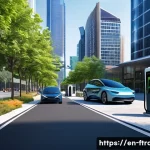
Electric vehicles (EVs) have shifted from niche alternatives to mainstream contenders, and it’s easy to see why. From my own experience, driving an EV feels smoother and surprisingly quiet compared to traditional gasoline cars.
The instant torque delivers a zippy acceleration that’s addictive once you get used to it. Beyond the driving feel, what truly stands out is the impact on emissions.
By cutting tailpipe pollution completely, EVs are a powerful weapon in fighting urban air quality issues. Plus, with governments increasingly offering incentives, charging infrastructure expanding rapidly, and battery costs dropping, EVs have become more accessible than ever.
This combination is driving a surge in adoption, signaling a clear move away from fossil fuels.
Battery Innovations and Range Anxiety
One major concern that pops up in conversations about EVs is range anxiety—the fear of running out of battery mid-journey. I’ve been there myself, especially on longer trips when charging stations aren’t yet as common as gas stations.
However, battery technology is advancing fast, with newer models boasting over 300 miles on a single charge. Solid-state batteries promise even higher capacities and faster charging times soon.
Additionally, apps and navigation systems now help plan routes with charging stops efficiently, reducing stress. This progress is crucial because it reassures potential buyers that EVs can fit into their lifestyles without compromise.
Charging Infrastructure: The Backbone of EV Adoption
The rise of EVs depends heavily on reliable charging networks. From personal experience, I’ve noticed that access to home charging is a game-changer—being able to plug in overnight means starting each day with a full battery.
Public charging stations are catching up, especially in urban centers and along highways. Fast chargers capable of topping up a battery in under 30 minutes are becoming more common, which is a huge convenience boost.
Companies and municipalities are partnering to deploy chargers in parking lots, malls, and workplaces, making electric driving more practical for all.
The ongoing investment in infrastructure is a sign that EVs aren’t just a trend but a fundamental shift.
Rethinking Public Transit for Modern Cities
Integrating Technology for Efficiency and Comfort
Public transit systems are no longer just about buses and trains running on fixed schedules. Cities are increasingly leveraging real-time data, mobile ticketing, and smart route planning to enhance user experience.
From my visits to several metropolitan areas, I’ve seen how apps can now tell you exactly when the next bus or train will arrive, helping reduce wait times and uncertainty.
Some cities have adopted electric or hydrogen-powered buses, cutting down noise and air pollution substantially. By making public transit more predictable, cleaner, and comfortable, cities encourage more people to leave their cars at home.
Expanding Accessibility and Last-Mile Solutions
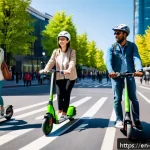
One of the biggest hurdles for public transit is bridging the gap between stations and final destinations—the notorious “last mile.” Innovative solutions like bike-sharing, e-scooters, and shuttle services have started to fill this void.
Personally, using a shared e-scooter to get from a transit stop to my office has saved me time and hassle, especially in congested areas. These options make transit more flexible and inclusive, especially for those who might otherwise rely on private cars.
Cities investing in pedestrian-friendly infrastructure and protected bike lanes are also making sustainable choices safer and more attractive for everyone.
Funding and Policy Challenges
Improving public transit isn’t just a technical challenge; it requires political will and sustainable funding models. Many transit agencies struggle with balancing budgets while trying to upgrade fleets and infrastructure.
I’ve noticed that cities with strong public support and clear environmental goals tend to push through ambitious transit projects more successfully. Policies that prioritize transit over car-centric development, like congestion pricing and dedicated bus lanes, are making a tangible difference.
Continued advocacy and smart investments are essential to keep public transit growing as a viable alternative.
Urban Design That Encourages Walking and Cycling
Designing Streets for People, Not Just Cars
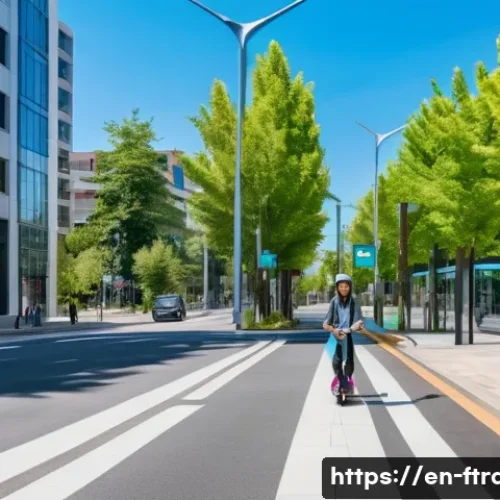
Walking and cycling are the most sustainable ways to get around, but they depend heavily on urban design. In my neighborhood, the addition of wider sidewalks, pedestrian plazas, and traffic calming measures has transformed how I move daily.
Streets that prioritize pedestrians and cyclists create safer, more vibrant communities. When cities slow down car traffic and add amenities like benches, shade trees, and lighting, it encourages people to leave their cars behind for short trips.
This shift not only reduces emissions but also boosts local businesses as foot traffic increases.
Building Connected Networks of Bike Lanes
A bike lane that suddenly ends or disappears into traffic can be intimidating, even for experienced riders. That’s why continuous, protected bike networks are crucial.
Cities like Copenhagen and Amsterdam set the gold standard, but many U.S. cities are catching up. I’ve tried commuting by bike in cities with well-planned lanes, and the experience is vastly different—more relaxed, quicker, and less stressful.
Investments in these networks pay off by attracting more cyclists, reducing car congestion, and improving public health. Education campaigns and bike-sharing programs complement infrastructure to build a cycling culture.
Shared Micromobility’s Role in Urban Transport
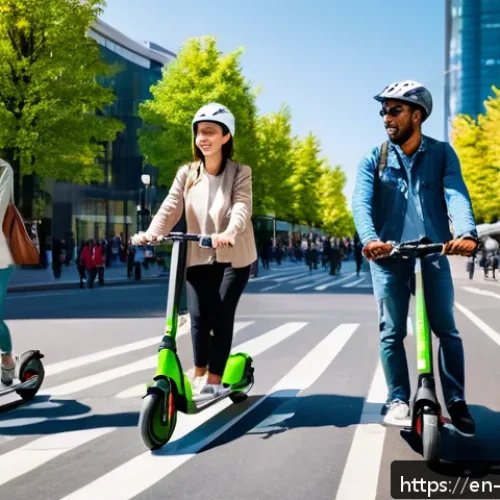
Electric scooters and bikes have exploded in popularity as flexible, last-mile transport options. From my own use, they’re perfect for quick errands or combining with transit, especially when the weather cooperates.
However, managing their integration into public spaces requires thoughtful regulation to avoid clutter and safety hazards. Cities that work with providers to establish parking zones and maintain clear sidewalks make these options sustainable and user-friendly.
Shared micromobility not only reduces car trips but also introduces more people to active transportation habits, which can have lasting benefits.
Innovations in Freight and Delivery Systems
Electrifying Last-Mile Deliveries
The boom in e-commerce has dramatically increased delivery traffic, often with diesel vans clogging city streets. Switching to electric cargo bikes, vans, and even drones is reshaping urban logistics.
I’ve seen local businesses adopt electric delivery bikes that navigate narrow streets quickly while eliminating noise and pollution. This shift is especially valuable in dense city centers where traditional trucks struggle.
Electrified delivery fleets not only reduce greenhouse gas emissions but also contribute to quieter, more pleasant neighborhoods.
Consolidation Centers and Smart Routing
One way cities are tackling delivery chaos is by using consolidation centers—hubs where goods are grouped before final delivery. This reduces the number of vehicles entering congested areas.
Paired with smart routing algorithms, logistics companies optimize routes to cut fuel consumption and time on the road. From a consumer’s perspective, this can mean faster deliveries with less environmental cost.
Businesses that invest in these solutions often report operational savings, proving that sustainability and efficiency can go hand in hand.
Regulatory Pushes and Incentives

Governments are increasingly regulating delivery vehicle emissions and encouraging greener practices. Low-emission zones and time-of-day restrictions incentivize companies to adopt cleaner vehicles and optimize schedules.
I’ve noticed these policies pushing innovations that benefit the entire city, from better air quality to reduced traffic jams. Public-private partnerships also play a role, offering grants or tax breaks for electric fleet adoption.
These measures signal a growing recognition that freight transport must evolve to be sustainable.
Smart Technologies Enhancing Mobility
Connected Vehicles and Traffic Management
Technology is making transportation smarter and more responsive. Connected vehicles communicate with each other and traffic infrastructure to improve safety and flow.
From personal experience, driving in cities with adaptive traffic signals feels less frustrating—green lights seem to come at just the right time, reducing stop-and-go patterns.
These systems cut down idling and emissions, while improving travel times. As 5G networks expand, the potential for real-time data exchange will only increase, paving the way for more efficient roads.
Mobility as a Service (MaaS)
MaaS platforms integrate various transportation modes—transit, ride-sharing, bike rentals—into a single app and payment system. I’ve found this incredibly convenient for planning trips without worrying about juggling tickets or payments.
MaaS encourages people to mix and match options based on cost, speed, and environmental impact, making it easier to avoid private car use. Cities supporting MaaS are creating more seamless and flexible mobility ecosystems that respond to diverse needs.
Autonomous Vehicles and Their Potential
Self-driving cars remain a hot topic, with promises of safety improvements and reduced congestion. While fully autonomous vehicles aren’t widespread yet, pilot programs show how they could serve as shared shuttles or last-mile connectors.
I’m cautiously optimistic—if implemented thoughtfully, autonomous tech could complement public transit and reduce the number of cars on roads. However, it also raises questions about equity, data privacy, and urban sprawl that need addressing as the technology evolves.
| Transportation Mode | Environmental Benefit | Current Challenges | Future Outlook |
|---|---|---|---|
| Electric Vehicles | Zero tailpipe emissions, reduced noise | Charging infrastructure, battery range | Advancements in batteries, expanded charging networks |
| Public Transit | Lower per capita emissions, reduced congestion | Funding, accessibility, outdated fleets | Electrification, real-time data, integrated services |
| Walking & Cycling | No emissions, health benefits | Safety, infrastructure gaps | Protected lanes, urban design, micromobility integration |
| Freight & Delivery | Reduced diesel emissions, less congestion | Logistics complexity, urban access | Electrification, consolidation centers, smart routing |
| Smart Technologies | Improved traffic flow, lower emissions | Investment costs, data privacy concerns | Connected vehicles, MaaS, autonomous systems |
Community Engagement and Behavioral Shifts
Raising Awareness and Educating the Public
Changing how people get around isn’t just about technology—it’s about mindset. Community programs and campaigns that highlight the benefits of greener transport options have made a noticeable difference in my area.
When people understand how their choices impact air quality and climate, they’re more willing to try alternatives like carpooling or transit. Schools, workplaces, and local governments play key roles in spreading this message and building momentum for change.
Incentives That Encourage Sustainable Choices
Financial incentives such as subsidies for EV purchases, transit passes, or bike gear can tip the scales in favor of sustainable modes. I’ve personally benefited from discounted transit cards and workplace bike incentives that made switching easier.
These programs lower barriers and reward positive behavior, helping to normalize sustainable travel. As more employers and municipalities adopt these approaches, sustainable transportation becomes not just a personal choice but a community norm.
Addressing Equity and Accessibility
It’s critical that sustainable transportation solutions are inclusive and accessible to all, regardless of income or ability. I’ve seen firsthand how expanding transit coverage and improving affordability opens up opportunities for people to access jobs, education, and services.
Equity-focused planning ensures no one is left behind as cities transform their mobility systems. This means designing services that meet diverse needs and removing physical and financial barriers to sustainable options.
Environmental and Economic Impacts
Reducing Carbon Footprints and Pollution
Switching to cleaner transportation modes directly cuts greenhouse gas emissions, which is essential in tackling climate change. I’ve noticed that even small changes, like biking to work a few days a week, contribute to lower personal carbon footprints.
On a larger scale, cities that prioritize sustainable transport see measurable improvements in air quality and public health, reducing respiratory illnesses and healthcare costs.
Boosting Local Economies Through Greener Transport
Sustainable transportation also has economic benefits beyond environmental gains. For example, pedestrian-friendly areas tend to attract more customers to local shops and restaurants, enhancing community vibrancy.
I’ve enjoyed exploring neighborhoods where reduced car traffic has created pleasant public spaces. Additionally, investments in public transit and bike infrastructure generate jobs and stimulate local industries.
These ripple effects make sustainable transport a win-win for cities and residents.
Long-Term Cost Savings for Individuals and Cities
While upfront costs for electric vehicles or transit improvements can be high, long-term savings are significant. From my experience, EV maintenance costs are lower due to fewer moving parts, and public transit often costs less than owning a car when factoring in fuel, parking, and insurance.
Cities benefit too by reducing road wear and healthcare expenses related to pollution. These financial incentives complement environmental motivations, making sustainable transportation a smart investment all around.
Conclusion
Electric mobility and sustainable transportation are rapidly reshaping how we move in our cities and beyond. Embracing innovations in vehicles, infrastructure, and technology offers real environmental and economic benefits. The transition requires collaboration, awareness, and thoughtful planning, but the future looks promising for greener, smarter, and more inclusive mobility solutions.
Useful Information to Keep in Mind
1. Electric vehicles provide a quiet and smooth driving experience while drastically reducing emissions, making them a strong alternative to traditional cars.
2. Advances in battery technology and expanding charging networks are steadily easing range anxiety, encouraging more people to switch to EVs.
3. Integrating smart public transit with last-mile options like e-scooters and bike-sharing improves accessibility and reduces reliance on private cars.
4. Urban design that prioritizes pedestrians and cyclists creates safer, healthier communities and supports local economies.
5. Smart freight solutions and connected vehicle technologies help cut emissions and traffic congestion, making cities cleaner and more efficient.
Key Takeaways
Transitioning to sustainable transportation involves more than just new technologies—it requires policy support, infrastructure investment, and community engagement. Electric vehicles and public transit advancements are critical, but equally important are safe, connected walking and cycling networks and innovative last-mile solutions. Addressing equity ensures everyone benefits from cleaner, more accessible mobility options. Ultimately, these efforts contribute to healthier environments, stronger local economies, and long-term cost savings for individuals and cities alike.
Frequently Asked Questions (FAQ) 📖
Q: What are the main benefits of adopting sustainable transportation methods?
A: Sustainable transportation offers a range of benefits that go beyond just reducing carbon emissions. First off, it improves air quality, which has a direct impact on public health by lowering rates of respiratory diseases.
Personally, I’ve noticed that cities with strong public transit and bike-friendly infrastructure tend to feel cleaner and more vibrant. Economically, it reduces costs associated with traffic congestion and dependence on fossil fuels, freeing up funds for other community investments.
Plus, sustainable options often encourage physical activity, contributing to better overall well-being. So, it’s not just about the environment—it’s about creating healthier, more efficient, and livable communities.
Q: How realistic is it for cities to transition fully to sustainable transportation in the near future?
A: While a complete transition to sustainable transportation won’t happen overnight, many cities are making impressive strides. From my experience following urban development projects, places like Copenhagen and Amsterdam have already integrated cycling and public transit so well that driving is often less convenient than hopping on a bike or bus.
However, challenges like existing car-dependent infrastructure, funding limitations, and public acceptance can slow progress. The good news is that innovations such as electric buses, car-sharing programs, and smart urban planning are accelerating the shift.
With growing awareness and policy support, I believe a significant transformation is achievable within the next decade in many urban areas.
Q: What role do electric vehicles (EVs) play in sustainable transportation, and are they enough on their own?
A: Electric vehicles are definitely a game-changer when it comes to cutting emissions from personal transportation. I’ve driven an EV for a couple of years now, and beyond the lower environmental impact, it’s been cost-effective thanks to reduced fuel and maintenance expenses.
However, EVs alone can’t solve all transportation challenges. They still require electricity, which must come from renewable sources to maximize environmental benefits.
Moreover, EVs don’t address issues like traffic congestion or the need for accessible public transit. Sustainable transportation is really about a balanced mix—combining EVs with improved public transit, walking, cycling infrastructure, and smart city design to create a comprehensive solution that truly transforms how we move.