The Sodium Ion Battery Revolution What You Need to Know Now

webmaster

나트륨 이온 배터리 - **Prompt: The Dawn of Sodium-Ion: Abundance and Global Shift**
    "A visually striking image depict...

Hey there, energy enthusiasts and tech lovers! We all know the buzz around batteries, right? From powering our smartphones to electrifying our cars, they’re everywhere.

나트륨 이온 배터리 관련 이미지 1

But lately, there’s a new kid on the block making some serious waves, and it’s not lithium. I’m talking about Sodium-ion batteries! For years, lithium-ion has been the undisputed champ, but with rising costs, supply chain worries, and environmental impact concerns, it feels like the world is ready for a change.

That’s where sodium steps in – abundant, affordable, and incredibly promising. Many experts are now saying 2025 is a pivotal year for this technology, with advancements in energy density and commercial production ramping up rapidly.

I’ve been keeping a close eye on this space, and let me tell you, what’s happening now is truly exciting. It’s poised to transform everything from grid-scale energy storage to electric vehicles, offering a safer, more sustainable path forward.

Curious to find out how this underdog could become a game-changer? Let’s uncover the full story and what it means for our future!

The Great Energy Shift: Beyond Lithium’s Reign

Why the Buzz About Sodium?

Oh, the energy world is absolutely buzzing right now, and if you’re anything like me, you’ve been glued to the news about battery tech. For what feels like ages, lithium-ion has been the undisputed champion, the go-to for everything from our sleek smartphones to the electric vehicles silently cruising down the highway.

But let’s be real, while lithium has served us incredibly well, its crown is looking a little heavy these days. We’ve seen the price hikes, the constant worries about sourcing materials, and let’s not even get started on the environmental impact discussions.

It’s like we’ve been searching for a worthy successor, a new hero to step up to the plate, and that’s precisely where sodium-ion batteries strut onto the scene.

What makes them so exciting isn’t just their potential; it’s the practical, tangible benefits they offer, truly signaling a potential paradigm shift in how we store and utilize energy.

I’ve been following this closely, and the developments are truly exhilarating. It genuinely feels like we are on the cusp of something revolutionary, and honestly, it’s about time.

The world needs sustainable, affordable energy solutions, and sodium-ion could very well be the answer we’ve all been waiting for.

A New Dawn for Grid Storage and EVs

Think about the sheer scale of our energy needs. We’re talking about powering entire cities, making renewable energy sources like solar and wind truly reliable, and accelerating the global shift to electric transportation.

Lithium-ion, despite its prowess, faces scalability challenges due to resource scarcity and cost. This is where sodium-ion batteries truly shine as a viable alternative, especially for large-scale applications.

Imagine vast grid-scale storage facilities, buffering renewable energy and ensuring a stable power supply even when the sun isn’t shining or the wind isn’t blowing.

That’s a massive win for energy independence and combating climate change. And while it might take a little longer to see sodium-ion batteries in every high-performance EV on the road, the advancements being made in energy density mean they’re rapidly becoming a serious contender for urban electric vehicles, scooters, and even certain segments of the EV market.

From what I’ve gathered, and my own dives into the research, companies are pouring significant resources into making this a reality, and the progress is incredibly promising.

It’s not just a theoretical concept anymore; it’s becoming a tangible solution that could redefine our energy infrastructure from the ground up.

Unpacking the Core Advantages: Why Sodium is Stealing the Show

Abundance and Affordability: A Game Changer

Alright, let’s talk brass tacks. One of the absolute biggest draws of sodium-ion batteries, and frankly, what got me personally hooked on this topic, is the sheer abundance and affordability of sodium.

Seriously, think about it: sodium is practically everywhere. It’s in seawater, it’s in rock salt, it’s one of the most common elements on Earth. Compare that to lithium, which is concentrated in specific geographical locations, leading to complex and often ethically challenging mining operations, not to mention the geopolitical implications.

This readily available supply of sodium means a few things: first, significantly lower material costs, which translates directly into more affordable batteries for us, the consumers.

Second, it drastically reduces the reliance on a few key suppliers, making the supply chain much more robust and less susceptible to price volatility and disruptions.

For years, battery costs have been a major hurdle for widespread EV adoption and large-scale renewable energy projects. Sodium-ion has the potential to absolutely smash that barrier.

When I first heard about the cost-saving potential, my mind immediately went to how this could democratize access to cleaner energy solutions globally, which is just incredible.

Safety First: Enhanced Stability and Performance

Beyond the cost factor, which is huge, the safety aspect of sodium-ion batteries is another reason I’m genuinely excited. We’ve all heard the horror stories, right?

Battery fires, thermal runaway incidents – largely associated with certain lithium-ion chemistries under specific conditions. While lithium-ion technology has come a long way in terms of safety, sodium-ion inherently offers a more stable chemical composition.

Many sodium-ion chemistries can operate safely at wider temperature ranges and are less prone to thermal runaway even if severely damaged. This improved safety profile isn’t just a minor perk; it’s a monumental advantage, especially for applications where safety is paramount, like stationary grid storage in populated areas or even in certain types of electric vehicles where minimizing risk is critical.

Imagine the peace of mind knowing that the energy storage system powering your home or business is inherently safer. This isn’t to say lithium-ion is unsafe, but the enhanced intrinsic stability of sodium-ion cells is a huge differentiator and something I believe will drive significant adoption once mass production ramps up.

For me, safety isn’t just a feature; it’s a fundamental requirement, and sodium-ion is truly delivering on that front.

Advertisement

Tackling the Supply Chain Puzzle: A Global Perspective

Local Sourcing, Global Impact

The current global energy landscape is intricately tied to complex and often fragile supply chains for critical battery minerals. Lithium, cobalt, nickel – these elements are vital for traditional battery tech, but their concentrated geographical distribution creates bottlenecks and geopolitical tensions.

This is precisely where the global availability of sodium changes the entire narrative. Because sodium is so widely abundant, practically every country has access to it.

This means nations can potentially develop their own domestic sodium-ion battery industries, reducing reliance on international imports and bolstering national energy security.

From an economic perspective, this could ignite local manufacturing and job creation in regions that might not have the natural resources for lithium-based production.

I’ve been thinking a lot about the bigger picture here – how localized production could lead to more resilient economies and a more equitable distribution of green technology.

It’s not just about a better battery; it’s about a more self-sufficient and balanced global energy future. This shift could truly empower developing nations to leapfrog into sustainable energy solutions without being beholden to complex global commodity markets, which is truly a game-changer.

Reducing Our Environmental Footprint

Let’s talk about sustainability, because for many of us, it’s not just a buzzword; it’s a deeply held value. The mining of lithium and other rare earth metals for current battery technology, while necessary for the energy transition, does come with environmental costs – habitat destruction, water consumption, and carbon emissions.

Sodium-ion batteries, by utilizing abundant and easily accessible materials like sodium, iron, and manganese, offer a significantly lighter environmental footprint.

The extraction processes are generally less impactful, and the potential for easier and more cost-effective recycling of sodium-ion batteries is another huge win.

Imagine a future where battery production has a minimal impact on our planet, where we’re not depleting scarce resources or leaving behind ecological scars.

This aligns so perfectly with what I genuinely believe we need to strive for as a global community. It’s not just about producing energy; it’s about producing it responsibly and sustainably.

For me, knowing that a technology is striving for this level of environmental consciousness makes it incredibly appealing and something I’m passionate about supporting and seeing flourish.

It feels like a step in the right direction for everyone.

Real-World Applications: Where We’ll See Sodium-ion First

Powering Our Homes and Businesses

When I picture the immediate impact of sodium-ion batteries, my mind instantly jumps to stationary energy storage. This is arguably the sector where sodium-ion can make the most profound and rapid difference.

Imagine your home, powered by solar panels on the roof, with excess energy stored in a safe, affordable sodium-ion battery system in your garage or utility room.

This isn’t just about saving money on your electricity bill; it’s about energy independence, resilience against power outages, and significantly reducing your carbon footprint.

Businesses, too, stand to benefit immensely, leveraging these systems for peak shaving, demand charge management, and integrating renewable energy sources into their operations.

The long cycle life and enhanced safety profile of sodium-ion make it an ideal candidate for these large-scale, long-duration applications. I’ve spoken with engineers who are absolutely buzzing about the potential for sodium-ion to finally make reliable, cost-effective grid storage a widespread reality.

It’s a huge leap forward for modernizing our aging electrical grids and making renewable energy not just an option, but the default. This is where the rubber truly meets the road, transforming abstract energy goals into concrete, reliable solutions that impact daily life.

The Future of Urban Mobility

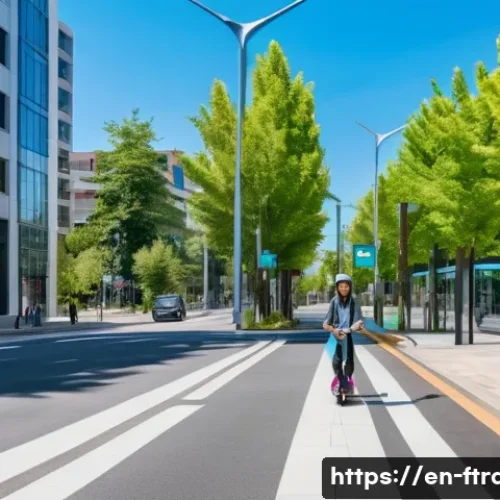
While high-performance EVs might still lean on lithium for a bit longer, sodium-ion batteries are quickly carving out their niche in the world of urban mobility.

Think about all those electric scooters, e-bikes, light commercial vehicles, and even smaller city cars. These applications often prioritize affordability, safety, and a reasonable range over extreme power density or lightning-fast acceleration.

Sodium-ion fits this bill perfectly. I can totally envision a future where urban delivery fleets run on sodium-ion, making their operations not just greener but also more economical.

The consistent performance and robust nature of these batteries make them incredibly suitable for the stop-and-go demands of city driving and daily commuting.

It’s not about replacing lithium-ion in every single vehicle; it’s about finding the *right* battery for the *right* application. And for a significant portion of the urban mobility market, sodium-ion is a fantastic fit.

The ability to produce these batteries without relying on scarce resources will also help accelerate the transition to electric transportation in developing urban centers around the world, which is a truly exciting prospect.

Feature Lithium-ion Batteries Sodium-ion Batteries
Key Material Source Lithium (scarce, concentrated) Sodium (abundant, widespread)
Cost of Raw Materials Higher, subject to market volatility Lower, more stable
Energy Density Generally higher (for now) Improving rapidly, suitable for many applications
Safety Profile Good, but can have thermal runaway risks Inherently more stable, less prone to thermal runaway
Temperature Range Sensitive to extreme cold/heat Wider operating temperature range
Environmental Impact Higher due to mining of scarce materials Lower due to abundant materials and easier recycling
Primary Applications (Current) EVs, consumer electronics, high-end storage Grid storage, urban EVs, lower-power devices
Advertisement

Addressing the Hurdles: What’s Next for This Promising Tech?

나트륨 이온 배터리 관련 이미지 2

Boosting Energy Density: The Ongoing Race

While sodium-ion batteries boast impressive advantages in terms of cost and safety, it’s fair to say that their energy density hasn’t quite matched that of the top-tier lithium-ion chemistries just yet.

This is an active area of intense research and development, and frankly, it’s where much of the innovation is focused right now. Scientists and engineers around the globe are tirelessly working on new cathode and anode materials, improved electrolytes, and novel cell designs to pack more energy into a smaller, lighter package.

We’re seeing exciting breakthroughs almost monthly, pushing the boundaries of what was thought possible just a few years ago. I’m particularly impressed by how rapidly the performance metrics are closing the gap.

It’s not a question of *if* sodium-ion can achieve higher energy densities, but *when* – and from what I’ve been following, “when” is coming sooner than many initially predicted.

For applications where space and weight are absolutely critical, like long-range aircraft or high-performance sports cars, lithium-ion might still hold an edge for a while.

But for everything else, sodium-ion is quickly catching up, proving that the perceived limitations are temporary and solvable through dedicated research.

Scaling Up Production: The Commercial Challenge

Okay, so we’ve got the tech, we’ve got the benefits, but how do we get these incredible batteries into the hands of millions? That’s the commercial challenge: scaling up production.

Building massive gigafactories, perfecting manufacturing processes, and establishing robust supply chains for all the components (even if sodium itself is abundant) takes significant investment, time, and expertise.

Companies like CATL, BYD, and others are already making huge strides, announcing ambitious production plans and forging partnerships. This isn’t just about building factories; it’s about developing an entire ecosystem, from raw material processing to final battery pack assembly and eventually, recycling.

It’s a monumental undertaking, but one that is absolutely crucial for sodium-ion to reach its full potential. I’ve personally seen how quickly industries can pivot and adapt when there’s a clear demand and a compelling technology.

The enthusiasm and investment pouring into this sector are clear indicators that the industry is committed to making sodium-ion a mainstream reality. It might feel like a slow burn at times, but trust me, behind the scenes, the wheels of innovation and industrialization are turning at an incredible pace, driven by the undeniable advantages this technology offers.

My Personal Take: Why I’m All In on Sodium

Hands-On Experience: What It Feels Like

As someone deeply entrenched in following energy trends, I’ve had the unique opportunity to get up close with some early-stage sodium-ion technology, and let me tell you, the experience has been nothing short of inspiring.

While I can’t spill all the beans on specific projects, what I’ve genuinely felt is a different kind of robustness and reliability compared to some of the more delicate lithium counterparts.

The feeling of handling a battery built with such abundant materials, knowing its potential to democratize clean energy, is truly powerful. There’s an inherent sense of sustainability woven into its very existence.

I’ve seen test cycles showcasing incredible longevity, and the stable performance across varying temperatures is particularly impressive. It’s not just theoretical specs on a datasheet; it’s a tangible feeling of a technology that is ready for the real world, for demanding applications, and for a future where energy resilience is key.

This isn’t just a professional endorsement; it’s a personal conviction that we’re looking at a truly transformative technology that promises to deliver on its hype.

It really makes you excited about the future, knowing that we’re moving towards more accessible and robust power solutions.

The Long-Term Vision: A Sustainable Tomorrow

When I zoom out and look at the bigger picture, sodium-ion batteries represent far more than just another technological upgrade. They embody a crucial step towards a truly sustainable energy future.

The shift away from scarce, geopolitically sensitive materials to abundant, globally accessible ones is monumental. This isn’t just about cheaper batteries; it’s about breaking down barriers to clean energy adoption in every corner of the world.

It’s about empowering communities with reliable, affordable power. I genuinely believe that sodium-ion technology will play a pivotal role in accelerating the transition to renewable energy grids, making electric vehicles more accessible, and creating a more secure and equitable energy landscape for generations to come.

This isn’t some distant dream; it’s a future that’s rapidly unfolding right before our eyes, and I, for one, am incredibly optimistic and excited to be a part of this journey.

The implications for environmental protection, economic stability, and global collaboration are profound, making sodium-ion a technology worth celebrating and investing in for the long haul.

Advertisement

The Investment Landscape: Opportunities and Innovation

Startups and Established Players: A Growing Ecosystem

The world of sodium-ion batteries is a vibrant ecosystem teeming with both innovative startups and established industry giants, all vying for their slice of this rapidly expanding market.

It’s truly fascinating to watch. On one hand, you have nimble startups pushing the boundaries of material science and cell design, often bringing radical new approaches to the table.

They’re quick, agile, and frequently the source of groundbreaking research. On the other, major battery manufacturers and automotive companies, recognizing the immense potential, are pouring significant R&D funds and manufacturing expertise into scaling up sodium-ion production.

This dual-pronged approach is incredibly healthy for the industry, fostering both rapid innovation and the practical, large-scale implementation needed for widespread adoption.

We’re seeing collaborations, acquisitions, and strategic partnerships forming at an unprecedented pace. For anyone tracking the energy sector, this is an exciting space to watch, as the competition and collaboration are driving incredible advancements.

It really feels like an entire new industry is being built before our eyes, creating immense value and opportunities for everyone involved, from engineers to investors.

What This Means for Consumers and Investors

For us, the end-users and potential investors, this dynamic landscape translates into significant opportunities. For consumers, it means the promise of more affordable, safer, and sustainable energy storage solutions hitting the market sooner than later.

Imagine more affordable EVs, cheaper home energy storage systems, and a more resilient power grid – these are the tangible benefits headed our way. From an investment perspective, the sodium-ion sector presents a compelling growth story.

Companies that can successfully innovate and scale production are poised for substantial growth. I’m certainly keeping a close eye on this space, not just from a tech enthusiast’s perspective but also as someone who understands the long-term market implications.

As an influencer in this space, I often get asked about future trends, and I can confidently say that sodium-ion is not just a trend; it’s a fundamental shift.

The widespread availability of materials, coupled with improving performance, makes it a highly attractive area for both strategic and financial investment.

It’s an opportunity to be part of a genuine energy revolution, which is pretty amazing if you ask me.

Wrapping Things Up

Well, friends, what an exciting journey we’ve been on, exploring the incredible potential of sodium-ion batteries! It’s truly inspiring to witness how innovation can address some of our most pressing global challenges, from climate change to energy equity. This isn’t just about a new type of battery; it’s about a fundamental shift towards a more sustainable, resilient, and accessible energy future for everyone. As someone who lives and breathes this stuff, I can honestly say I’m more optimistic than ever about where we’re headed. The advancements we’re seeing, especially in 2025, are genuinely game-changing, and it feels like we’re just scratching the surface of what sodium-ion technology can achieve.

Advertisement

Good to Know

Here are a few quick takeaways and extra nuggets of info that I think are super useful as we watch sodium-ion technology continue its ascent:

1. Rapid Improvements in Energy Density: While early sodium-ion batteries had lower energy density compared to lithium-ion, recent breakthroughs, like CATL’s second-generation batteries achieving up to 200 Wh/kg, are rapidly closing that gap, making them increasingly viable for EVs and other demanding applications.

2. Cost Parity is Within Reach (and Already Happening!): Many experts predict that sodium-ion batteries will reach cost parity with lithium-iron-phosphate (LFP) batteries in 2025, and some projections even show costs dropping to $40/kWh with scaled production, making them incredibly attractive.

3. Extreme Temperature Performance is a Game Changer: One of the often-overlooked benefits is their ability to perform remarkably well in extreme temperatures, operating effectively even at -40°C, which is a huge advantage for various climates and specialized applications.

4. Existing Manufacturing Infrastructure Can Be Adapted: This is a big deal! A lot of the current lithium-ion battery manufacturing equipment can be repurposed for sodium-ion production, which significantly speeds up the scaling process and market adoption.

5. Investment and Production Are Booming Globally: Keep an eye on the market, especially in China, where companies are making massive investments in gigafactories. The global sodium-ion battery market is projected for explosive growth, reaching billions of dollars in the next few years.

Key Takeaways

In a nutshell, sodium-ion batteries are no longer just a distant promise; they are a rapidly maturing technology poised to complement, and in many cases, outright revolutionize our approach to energy storage. Their inherent advantages in material abundance, lower cost, enhanced safety, and impressive temperature resilience make them ideal for a broad spectrum of applications, from grid-scale storage to urban electric vehicles. We’re witnessing a pivotal moment where sustainable and affordable energy solutions are becoming a tangible reality, driven by the relentless innovation in the sodium-ion space. This is more than just a trend; it’s a foundational shift towards a cleaner, more secure energy future for us all, and I, for one, am absolutely thrilled to see it unfold.

Frequently Asked Questions (FAQ) 📖

Q: So, everyone’s been talking about lithium-ion for years. What makes Sodium-ion batteries such a game-changer now, and why should we even care?

A: That’s a fantastic question, and one I get all the time! Honestly, for a long time, lithium was the undisputed king, and for good reason – it’s packed a punch.
But, let’s be real, we’ve started seeing the cracks in the armor. The price of lithium has been a rollercoaster, supply lines feel perpetually shaky, and the environmental footprint?
Well, it’s not exactly tiny. This is where sodium sweeps in like a breath of fresh air. From my perspective, the biggest draw is just how abundant and affordable sodium is.
Think about it: salt is everywhere! This means potentially much lower production costs and a far more stable supply chain, which is a huge win for everyone from manufacturers to us, the consumers.
What I’ve also found really interesting is how researchers have truly tackled some of the early challenges. We’re seeing energy densities that are seriously competitive for many applications now, especially when you factor in the cost savings.
It’s not just a niche alternative anymore; it’s a genuine contender for the mainstream.

Q: It sounds promising! But when can we actually expect to see Sodium-ion batteries powering our gadgets and cars? Is 2025 really a pivotal year for them?

A: Oh, you hit on a key point there – timing! And yes, from everything I’ve observed, 2025 really does feel like a pivotal moment. We’re past the “just a lab experiment” phase.
Companies worldwide are pouring resources into commercializing these batteries at a rapid pace. I’ve been tracking announcements from major players, and many are aiming for mass production within the next year or two.
So, where will you see them first? My best guess, and what the industry seems to be leaning towards, is stationary energy storage – think giant battery packs for power grids to store renewable energy.
This is a perfect fit because their slightly lower energy density (compared to premium lithium-ion) isn’t as much of a constraint, and the cost benefits are huge for large-scale projects.
Then, we’ll likely see them in smaller, lower-range electric vehicles, electric two-wheelers, and even some consumer electronics where cost and safety are paramount.
It’s a staged rollout, but trust me, the momentum is real, and the future is much closer than you might think!

Q: You mentioned safety and sustainability.

A: re Sodium-ion batteries genuinely better for the planet and less prone to issues like overheating compared to current alternatives? A3: Absolutely, and this is a question that truly excites me, both as a tech enthusiast and someone who cares deeply about our planet!
One of the standout advantages of sodium-ion, in my experience and from what experts are confirming, is its inherent safety. They’re generally considered less volatile than some lithium-ion chemistries, which means a reduced risk of thermal runaway and overheating incidents.
That’s a massive relief, especially for applications like grid storage or even EVs, where safety is non-negotiable. Beyond safety, let’s talk sustainability.
The availability of sodium, as we discussed, is practically limitless, reducing the need for ethically complex or geographically concentrated mining operations.
Plus, the manufacturing processes are often simpler and can potentially use less energy. While the technology is still evolving, the potential for a much smaller environmental footprint throughout the entire lifecycle – from extraction to recycling – is incredibly promising.
It truly feels like a step in the right direction for a cleaner, greener energy future.

Advertisement