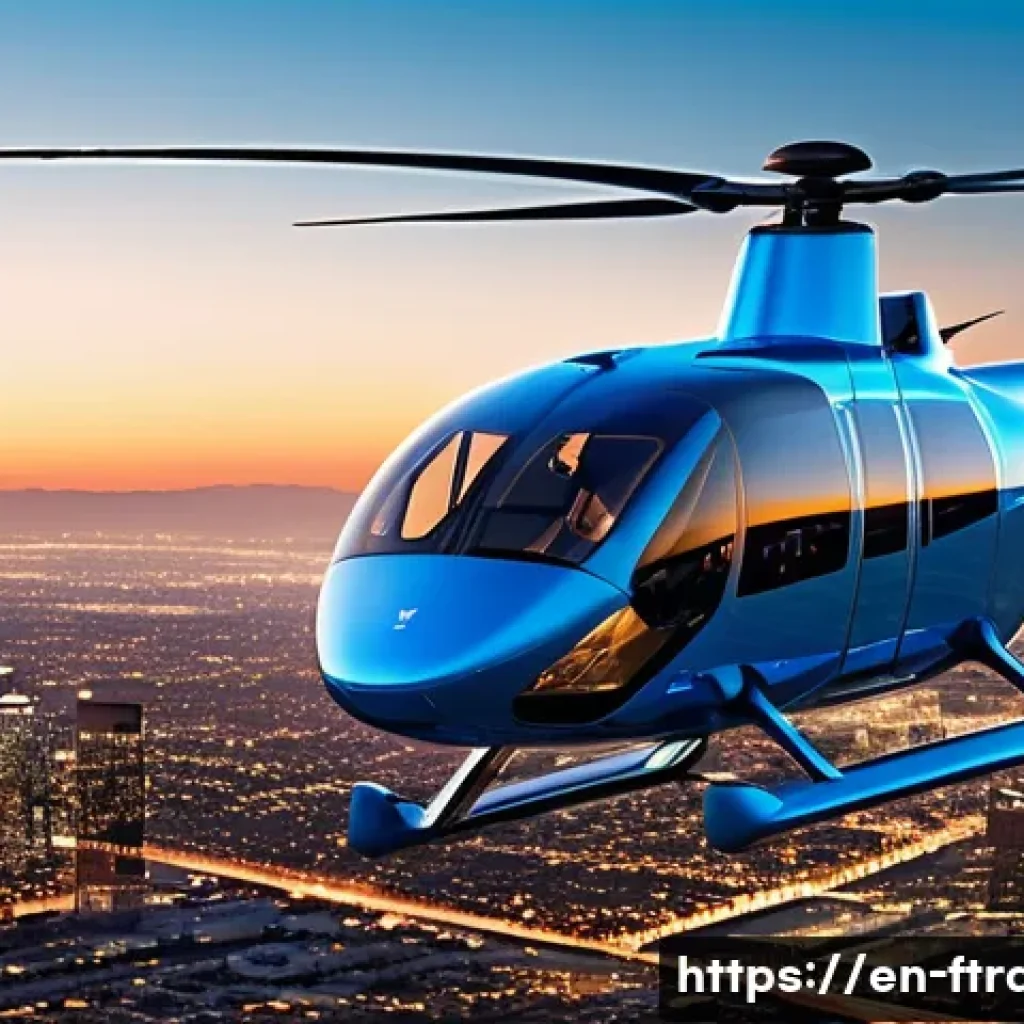
Imagine soaring above city traffic, skipping the long waits and gridlocks that define urban commuting. Flying taxis are no longer a distant fantasy but an emerging reality, promising to revolutionize how we travel by blending aviation technology with everyday convenience.
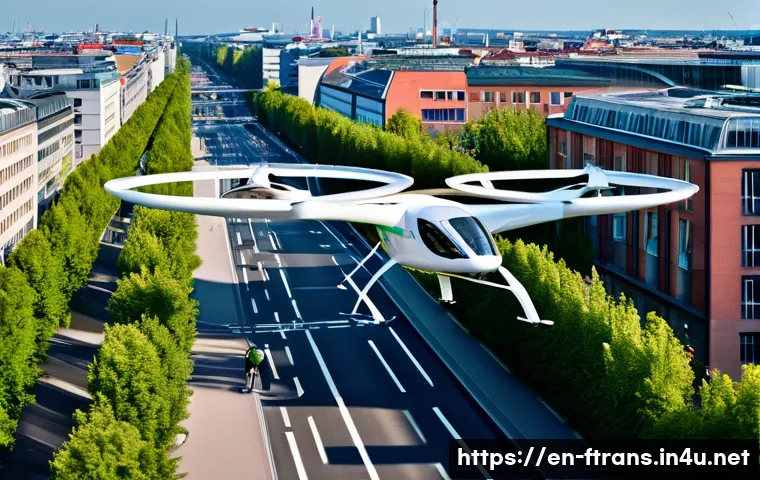
As major companies race to perfect this airborne solution, the future of transportation looks faster, greener, and more thrilling than ever. Yet, with innovation come questions about safety, infrastructure, and accessibility.
Let’s dive into the fascinating world of flying taxis and uncover what lies ahead in this sky-high evolution!
Transforming Urban Mobility with Vertical Flight
The Rise of Urban Air Vehicles
The concept of using vertical takeoff and landing (VTOL) aircraft to navigate crowded cityscapes has rapidly shifted from science fiction to tangible development.
These vehicles are designed to lift off like helicopters but with far less noise and greater energy efficiency, often leveraging electric propulsion. From my experience following this industry, it’s fascinating how manufacturers are tackling challenges like battery life and noise reduction simultaneously, making these crafts more viable for daily commutes.
The evolution of urban air mobility (UAM) is a testament to how engineering ingenuity is addressing the core issues that ground traditional transportation.
How Vertical Flight Eases City Congestion
One of the biggest advantages of vertical flight is bypassing ground-level traffic jams altogether. Imagine skipping hours stuck in gridlock by simply taking off from a rooftop or dedicated vertiport and landing close to your destination.
In practice, this could dramatically reduce travel times during rush hours and alleviate pressure on roads and public transit systems. I’ve noticed that cities with dense populations and notorious traffic problems are particularly enthusiastic about integrating these solutions.
The key lies in seamless integration with existing transportation networks to ensure smooth first- and last-mile connectivity.
Challenges in Air Traffic Management
Introducing a new layer of traffic in the sky means rethinking airspace management. Unlike traditional aviation routes designed for commercial jets, urban air vehicles require a highly dynamic and automated traffic control system to prevent collisions and maintain safety.
I’ve read about several pilot programs employing AI-powered traffic management platforms that can coordinate dozens of flights simultaneously. However, scaling this to handle thousands of daily flights in multiple cities remains a huge technical hurdle that regulators and developers are actively working on.
Technological Breakthroughs Driving the Future
Electric Propulsion and Battery Innovations
Electric motors are at the heart of most vertical flight vehicles, providing cleaner and quieter propulsion compared to combustion engines. The rapid advancement in battery technology—especially energy density improvements and faster charging times—is critical to extending flight range and usability.
Personally, I’m impressed by how companies are adopting solid-state batteries and hybrid power systems to push performance boundaries. These innovations are not only making flights greener but also more cost-effective, which is crucial for widespread adoption.
Autonomous Flight Systems
Automation is transforming the way these vehicles operate, reducing the need for human pilots and lowering operational costs. Autonomous navigation systems use a combination of GPS, lidar, radar, and AI algorithms to safely maneuver through urban environments.
From what I’ve observed in test flights, the technology has matured enough to handle complex urban landscapes, but full autonomy still requires rigorous certification and public trust.
I think the gradual introduction of remote pilot oversight will bridge the gap between manual and fully autonomous operations.
Noise Reduction and Passenger Comfort
Noise pollution has been a major concern for urban aerial transport. Engineers are experimenting with new rotor designs, ducted fans, and flight path optimizations to minimize noise footprint.
On a personal note, attending a demonstration of one of these vehicles, I was surprised by how quiet it was compared to a traditional helicopter. Besides noise, improving passenger comfort with vibration reduction, cabin design, and climate control is essential to make the experience appealing for daily commuters.
Regulatory Landscape and Safety Standards
Certification Challenges for Urban Air Vehicles
The path to regulatory approval is complex, involving aviation authorities like the FAA and EASA. These bodies must ensure that new aircraft meet stringent safety criteria without stifling innovation.
From following industry updates, it’s clear that regulators are working closely with manufacturers to develop tailored certification processes that consider the unique characteristics of VTOL aircraft.
This includes testing for battery fire hazards, emergency landing protocols, and software reliability.
Developing Infrastructure for Takeoff and Landing
Creating a network of vertiports—designated landing and takeoff sites—is fundamental for operational feasibility. These locations need to be strategically placed on rooftops, parking garages, or specially constructed platforms.
When I researched ongoing projects, I found that urban planners and architects are collaborating to integrate vertiports seamlessly into cityscapes, often combining them with existing transit hubs.
The challenge is balancing space constraints, noise concerns, and accessibility.
Ensuring Public Confidence and Accessibility
Safety is not just about technology but also public perception. Building trust requires transparent communication about risks, rigorous testing, and early demonstration projects that involve community feedback.
Accessibility is another critical factor—ensuring that these services are affordable and available to a broad demographic rather than a luxury for the few.
From my perspective, pilot programs in cities like Los Angeles and Dubai are exploring pricing models and partnerships with ride-sharing companies to make this a reality.
Environmental Impact and Sustainability Benefits
Reducing Carbon Footprint Compared to Traditional Transport
Electric vertical flight vehicles offer a significant reduction in carbon emissions compared to cars and helicopters powered by fossil fuels. By using renewable energy sources for charging and optimizing flight routes for efficiency, these vehicles can contribute to cleaner urban air quality.
I’ve analyzed reports indicating that widespread adoption could reduce greenhouse gas emissions from urban transport by a sizable margin, especially if integrated with sustainable city planning.
Mitigating Noise and Visual Pollution
Besides emissions, these vehicles have the potential to reduce the noise and visual clutter associated with traditional helicopters and traffic congestion.
Quiet electric motors and carefully planned flight corridors help preserve urban tranquility. When I attended a community forum about urban air mobility, many residents appreciated the quieter operation but stressed the importance of strict flight path regulations to avoid privacy concerns and sky congestion.
Challenges in Battery Recycling and Energy Use
While electric propulsion is cleaner, the environmental impact of battery production and disposal cannot be overlooked. Sustainable battery recycling methods and responsible sourcing of materials like lithium and cobalt are vital to ensuring that the environmental benefits are not offset.
From what I’ve gathered, companies are investing heavily in closed-loop recycling programs and exploring alternative materials to minimize ecological footprints.
Economic Potential and Market Growth
Emerging Business Models and Services
The commercialization of urban vertical flight is spawning innovative business models, from on-demand air taxi services to cargo delivery and emergency medical transport.
I’ve seen startups and established aerospace firms alike experimenting with subscription services, ride-sharing integrations, and premium charter options.
These diverse offerings reflect the potential to serve various market segments, creating new revenue streams and job opportunities.
Investment Trends and Industry Players
The sector has attracted billions of dollars in venture capital and corporate investment, highlighting strong confidence in its future. Leading players include aerospace giants, tech companies, and automotive manufacturers, all racing to secure patents, partnerships, and regulatory approvals.
Based on market reports, the global urban air mobility market is projected to grow exponentially over the next decade, with North America and Asia-Pacific regions leading adoption.
Cost Considerations for Consumers and Operators
Affordability remains a critical factor in scaling these services. Operational costs, including maintenance, energy consumption, and infrastructure fees, directly influence pricing.
From industry insights, early adopters might face premium fares, but economies of scale and technological advances are expected to drive prices down. I believe that partnerships with existing ride-hailing platforms could accelerate consumer adoption by offering competitive pricing and convenient booking systems.
Integration with Existing Transportation Networks
Seamless Multimodal Travel
For vertical flight to truly transform urban mobility, it must integrate smoothly with ground transportation like buses, subways, and ride-sharing. I’ve noticed pilot programs focusing on multimodal trip planning apps that coordinate schedules and payments across different transport modes.
This holistic approach enhances convenience and encourages users to adopt aerial options as part of their daily commutes rather than stand-alone experiences.
Urban Planning and Policy Alignment
Successful deployment requires collaboration between city planners, policymakers, and private companies to align regulations, zoning, and investment priorities.
From attending urban mobility conferences, it’s apparent that cities are crafting policies that encourage innovation while protecting public interests.
This includes incentives for green energy use, noise mitigation requirements, and land use policies to support vertiport construction.
Public Transportation Synergy and Equity
Ensuring equitable access means integrating vertical flight into public transit ecosystems rather than competing with them. Some cities are exploring subsidized fares or incorporating aerial routes into transit passes.
I’ve seen initiatives aiming to connect underserved neighborhoods to major employment centers via air routes, potentially bridging transit deserts and promoting social equity.
Key Specifications of Leading Vertical Flight Vehicles
| Model | Range (miles) | Max Speed (mph) | Passenger Capacity | Power Source | Estimated Price per Ride |
|---|---|---|---|---|---|
| Joby Aviation S4 | 150 | 200 | 4 | Electric | $75 – $150 |
| Volocopter 2X | 22 | 68 | 2 | Electric | $50 – $100 |
| Lilium Jet | 155 | 186 | 5 | Electric | $80 – $160 |
| Vertical Aerospace VA-X4 | 100 | 200 | 4 | Electric | $70 – $140 |
| EHang 216 | 22 | 81 | 2 | Electric | $60 – $120 |
Conclusion
Vertical flight is poised to revolutionize urban mobility by offering faster, quieter, and more sustainable transportation options. As technology advances and regulations adapt, these innovative aircraft will become an integral part of city life. The future of commuting looks brighter and more efficient, blending seamlessly with existing transit systems. It’s exciting to witness how this transformation unfolds and the possibilities it brings for urban living.
Useful Information to Keep in Mind
1. Vertical takeoff and landing (VTOL) vehicles are becoming practical solutions for reducing city traffic congestion and cutting down travel times significantly.
2. Electric propulsion and battery innovations are key to making urban air mobility cleaner, quieter, and more cost-effective for everyday use.
3. Effective air traffic management systems using AI are crucial to safely coordinating the increasing number of flights in urban skies.
4. Building public trust through transparent safety measures and affordable access will determine how quickly these services become mainstream.
5. Integration with existing transportation networks and thoughtful urban planning are essential to maximize the benefits of vertical flight for all city residents.
Key Takeaways
Urban air mobility through vertical flight offers a promising solution to the challenges of congested cities and environmental concerns. While technological breakthroughs in electric propulsion and autonomous systems are accelerating progress, regulatory approval and infrastructure development remain vital hurdles. Public acceptance, affordability, and seamless integration with current transit options will ultimately shape the success of this emerging market. Stakeholders must continue collaborating to balance innovation with safety, sustainability, and accessibility to ensure a transformative impact on urban transportation.
Frequently Asked Questions (FAQ) 📖
Q: How safe are flying taxis compared to traditional cars or commercial airplanes?
A: Flying taxis are designed with multiple safety redundancies that often exceed those found in cars. Unlike ground vehicles, they operate in controlled airspace with advanced navigation systems to avoid collisions.
Many prototypes undergo rigorous testing, including autonomous flight capabilities and emergency landing procedures. While they are still early in development, companies are prioritizing passenger safety, and regulators are setting strict standards before public use.
From my experience following the tech closely, the focus on safety is intense—almost no one wants to be the first to compromise it.
Q: What kind of infrastructure will cities need to support flying taxis?
A: To accommodate flying taxis, cities will need designated takeoff and landing zones, often called vertiports, strategically placed to integrate with existing transit hubs.
These locations require not only physical space but also charging or refueling stations if the taxis are electric. Additionally, air traffic management systems must evolve to handle low-altitude urban flights safely, which means new regulations and possibly AI-based traffic control.
From what I’ve seen in pilot projects, cities are partnering with companies to build these infrastructures gradually, starting with smaller-scale operations before full deployment.
Q: Will flying taxis be affordable and accessible to the average commuter?
A: Initially, flying taxis will likely be priced higher than regular rideshares due to the advanced technology and limited availability. However, experts predict costs will decrease over time as production scales and competition increases.
Many companies are targeting corporate clients and premium users first, but the goal is to make urban air mobility accessible to everyday commuters eventually.
Personally, I believe that like smartphones or electric vehicles, early adopters pave the way, and broader affordability follows as the market matures and infrastructure improves.