In today’s fast-paced world, sharing economy models are reshaping how we access goods and services, making convenience and sustainability key priorities.

At the same time, urban air mobility is emerging as a futuristic solution to traffic congestion, promising quicker commutes through electric vertical takeoff and landing vehicles.
These innovations not only redefine transportation but also open new doors for environmental benefits and economic opportunities. As cities grow denser, integrating shared resources with aerial mobility could revolutionize urban life.
Let’s dive deeper and explore how these trends are set to transform our daily routines in exciting ways. Stick with me, and I’ll make sure you get all the insights you need!
Transforming Urban Living Through Shared Access
How Resource Sharing Builds Community Connections
When you think about sharing economy models, it’s not just about saving money or reducing waste—it’s about creating a sense of belonging in our communities.
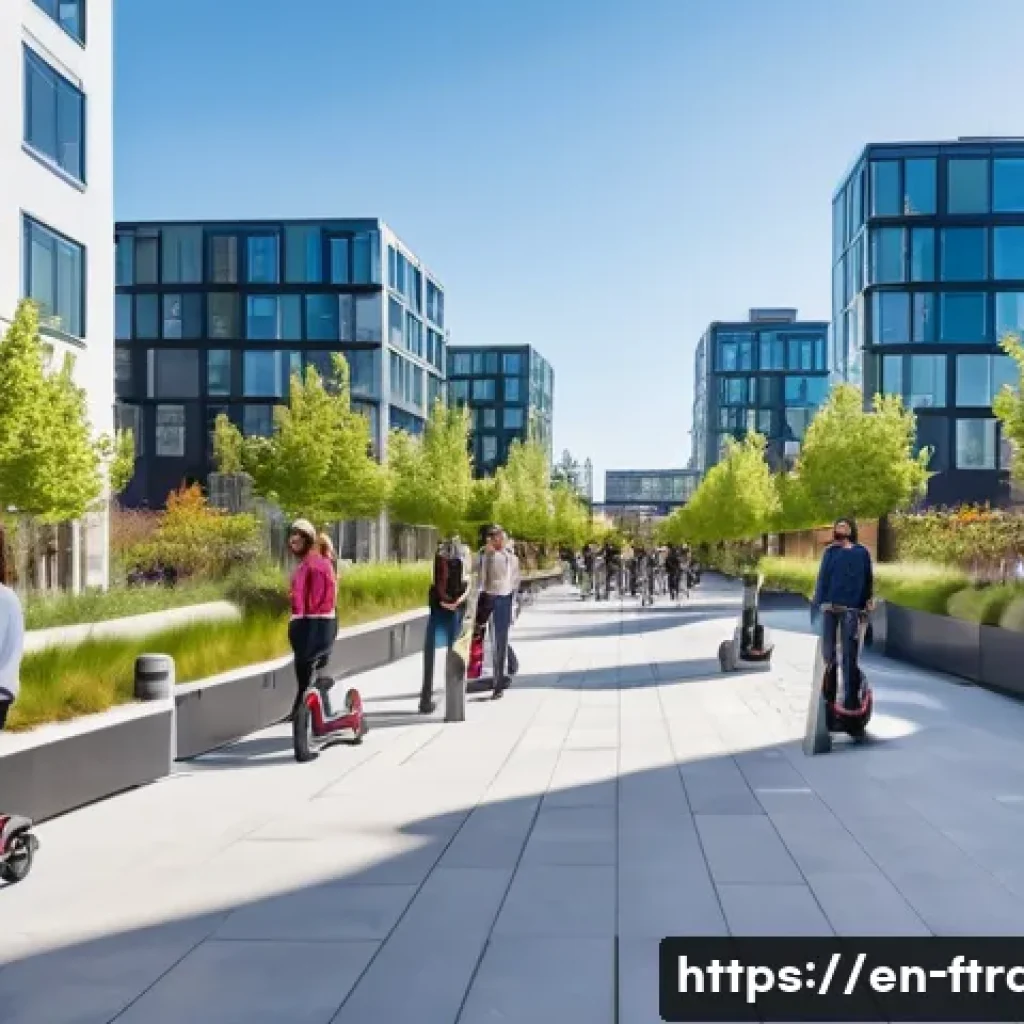
I’ve personally noticed that platforms offering shared tools, bikes, or even workspace memberships encourage people to interact more with their neighbors.
This social aspect often gets overlooked but plays a huge role in making urban environments friendlier and more supportive. Instead of isolated ownership, sharing cultivates trust and cooperation, which is priceless in busy city life.
Financial Benefits Beyond the Surface
Diving into the numbers, shared services help users cut down on upfront costs and ongoing maintenance fees. For example, owning a car in a metropolitan area can be a massive financial burden, but car-sharing services allow people to pay only for what they use.
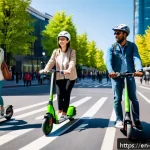
From my own experience renting electric scooters for short trips, I saved a significant amount compared to taxi rides or rideshares. Plus, businesses offering these services benefit from recurring revenue and customer loyalty, creating a win-win economic cycle.
Environmental Impact You Can Feel
One of the best parts about shared access is its positive effect on the environment. Sharing reduces the number of idle resources, meaning fewer products need to be manufactured and disposed of.
Cities with robust bike and scooter sharing have seen measurable drops in pollution and traffic congestion. On a personal note, choosing shared rides over solo driving has lowered my carbon footprint noticeably, and it feels great knowing I’m part of a larger movement toward sustainability.
Reimagining Commutes with Vertical Flight
Electric Vertical Takeoff and Landing (eVTOL) Vehicles Explained
eVTOL technology might sound like something straight out of a sci-fi movie, but it’s rapidly becoming a real solution to urban gridlock. These aircraft take off and land vertically, eliminating the need for runways and allowing for flexible routing over congested streets.
What really caught my attention is how quiet and energy-efficient many of these models are, powered by electric motors that produce zero emissions during flight.
It’s like flying taxis that could drastically shorten daily travel times without the noise pollution we associate with helicopters.
Current Challenges and Technological Hurdles
While the promise of aerial taxis is thrilling, several barriers remain. Safety regulations, air traffic control integration, and battery limitations are ongoing concerns.
I’ve followed a few pilot programs where companies tested their eVTOLs in controlled urban environments, and the feedback loop between engineers and regulators is crucial.
For instance, the need to ensure safe emergency landings and passenger comfort requires innovative design solutions that are still evolving. These challenges make the timeline for widespread adoption uncertain but exciting to watch.
Potential for Urban Infrastructure Overhaul
Incorporating aerial mobility into cityscapes means rethinking existing infrastructure. Imagine rooftop vertiports where commuters can hop on and off eVTOLs seamlessly connected to public transit systems below.
I’ve seen early prototypes of such hubs, and their design aims to maximize efficiency and accessibility. Cities that embrace this shift could reduce road congestion dramatically, freeing up space for pedestrians and green areas.
This integration will also demand smart urban planning to balance noise, safety, and aesthetics.
Blending Technology with Sustainability Goals
How Smart Cities Leverage Shared and Aerial Mobility
Cities worldwide are adopting smart technologies that use data to optimize shared vehicle availability and aerial traffic flow. Through real-time analytics, apps can suggest the best transport mode for each trip, reducing wait times and energy consumption.
From my own app usage, I appreciate when the system recommends an electric scooter for short trips or an aerial taxi when I’m in a rush. This dynamic routing not only improves user experience but supports broader sustainability targets by cutting emissions and congestion simultaneously.
Energy Sources and Emission Reduction Strategies
Sustainability isn’t just about what vehicles we use but how they’re powered. Many shared mobility fleets now prioritize renewable energy sources, like solar or wind, for charging stations.
eVTOL developers are also exploring green battery technologies and hybrid systems to extend flight range while minimizing environmental impact. I’ve read about pilot programs where entire fleets operate on carbon-neutral energy, which is a big step forward compared to traditional fossil fuel-powered transportation.
Community Engagement and Education
For these innovations to succeed, public acceptance is vital. Cities that actively involve residents through workshops, trials, and educational campaigns see higher adoption rates and fewer concerns.
I’ve participated in community forums where residents shared their hopes and fears about aerial taxis, and having transparent conversations helped ease skepticism.
When people understand the benefits and safety measures firsthand, they’re more likely to embrace these new mobility options enthusiastically.
Economic Opportunities in the New Mobility Landscape
Job Creation and Industry Growth
The rise of shared and aerial mobility is spawning entire new industries and job categories. From vehicle maintenance technicians specializing in electric propulsion to software developers managing fleet operations, there are plenty of career opportunities emerging.

I’ve met professionals transitioning from traditional automotive sectors to work on these cutting-edge projects, attracted by the innovation and growth potential.
This shift not only revitalizes economies but also encourages skill development in emerging technologies.
Investment Trends and Market Expansion
Investors are pouring capital into startups and established companies pushing shared and aerial mobility forward. The market projections suggest exponential growth over the next decade as urban populations demand smarter, faster transportation.
My own curiosity led me to track some publicly traded firms focusing on these sectors, and the excitement around electric vertical flight is palpable.
However, it’s wise to watch regulatory progress and technological breakthroughs carefully before making big bets.
Accessibility and Equity Considerations
Ensuring that these new mobility options serve all urban residents equitably is crucial. Without thoughtful planning, there’s a risk that aerial taxis and premium shared services become exclusive to wealthier neighborhoods.
I’ve seen pilot projects aiming to subsidize rides or integrate with public transit to keep costs affordable. Accessibility also means designing services that accommodate people with disabilities or those living in transit deserts.
A truly transformative mobility ecosystem must prioritize inclusivity from day one.
Safety and Regulatory Frameworks Shaping Future Travel
Developing Standards for Emerging Technologies
Regulators worldwide are working to catch up with the pace of innovation in shared and aerial mobility. Crafting safety standards for autonomous vehicles, battery systems, and airspace management is complex but essential.
I’ve followed several industry panels where experts debate certification processes and data transparency. The goal is to create frameworks that protect users without stifling innovation—a delicate balance that requires ongoing collaboration between governments, companies, and researchers.
Public Perception and Trust Building
Safety concerns often top the list of public hesitations about new transport modes. From my conversations with friends and colleagues, many want reassurance that these vehicles are tested rigorously before widespread deployment.
Transparent communication about accidents, failures, and improvements helps build trust. Demonstration flights, open data sharing, and community engagement programs have proven effective in shifting public opinion positively.
Insurance and Liability Considerations
With new modes of transportation come new questions about liability and insurance coverage. Who is responsible in the event of a malfunction or accident involving an eVTOL or shared vehicle?
I’ve researched how insurance companies are adapting policies to cover these risks, often requiring specialized underwriting and real-time monitoring technologies.
Clear legal frameworks will be crucial to protect consumers and providers alike as these services become mainstream.
Comparing Urban Mobility Solutions: A Snapshot
| Feature | Shared Ground Vehicles | eVTOL Aerial Mobility |
|---|---|---|
| Accessibility | Widely available, easy street access | Limited to vertiports, still expanding |
| Cost | Generally affordable, pay-per-use | Currently premium pricing, expected to decrease |
| Environmental Impact | Reduced emissions with electric fleets | Zero emissions during flight, renewable charging |
| Speed | Subject to traffic congestion | Bypasses ground traffic, faster commutes |
| Infrastructure Needs | Parking spots, charging stations | Vertiports, air traffic management systems |
| Safety Concerns | Standard road safety regulations apply | Emerging standards, rigorous certification ongoing |
Concluding Thoughts
The future of urban mobility is being reshaped by shared access and innovative aerial technologies, blending convenience with sustainability. As cities evolve, these solutions promise not only to ease daily commutes but also to foster stronger community ties and environmental responsibility. Embracing these changes thoughtfully will be key to building smarter, more connected urban spaces for everyone.
Useful Insights to Keep in Mind
1. Sharing resources in cities enhances social connections and builds trust among residents, making urban life more enjoyable and supportive.
2. Shared mobility services offer significant financial savings by reducing costs related to ownership and maintenance, benefiting both users and providers.
3. Utilizing shared and electric transportation options contributes positively to reducing pollution and traffic congestion, supporting greener cities.
4. Emerging eVTOL technologies have the potential to revolutionize commuting by offering faster, quieter, and emission-free travel above crowded streets.
5. Successful adoption of new mobility solutions depends heavily on public engagement, clear regulations, and equitable access for all community members.
Key Takeaways for Future Urban Mobility
Urban mobility is undergoing a transformative shift driven by shared ground vehicles and electric vertical flight technologies. While these innovations promise enhanced efficiency, reduced environmental impact, and new economic opportunities, challenges remain in safety regulation, infrastructure development, and ensuring equitable access. Balancing technological advancement with community involvement and sustainability goals will be essential to create inclusive, resilient, and vibrant urban transportation ecosystems.
Frequently Asked Questions (FAQ) 📖
Q: How does the sharing economy contribute to sustainability and convenience in urban living?
A: The sharing economy enhances sustainability by maximizing the use of existing resources, reducing waste, and lowering the demand for new products. Instead of owning items like cars, tools, or even living spaces, people can access these through shared platforms, which cuts down on manufacturing emissions and promotes a circular use model.
From my experience, this approach also boosts convenience—imagine needing a bike only for a quick ride or a workspace just for a day, without the hassle of ownership.
It saves money and space while fostering a community-driven mindset, making city life more efficient and eco-friendly.
Q: What exactly is urban air mobility, and how realistic is it for daily commuting?
A: Urban air mobility (UAM) refers to the use of electric vertical takeoff and landing (eVTOL) vehicles to transport people within cities, bypassing traditional road traffic.
Think of it as a flying taxi that can take you over congested streets, drastically cutting commute times. While still in its early stages, several companies have tested prototypes and even started pilot programs in cities like Los Angeles and Dubai.
From what I’ve seen, the technology is advancing fast, but widespread adoption will depend on regulatory approval, infrastructure development, and public acceptance.
So, while it might not be in your daily routine tomorrow, UAM is definitely a promising solution for urban congestion in the near future.
Q: How can integrating sharing economy models with urban air mobility transform our daily routines?
A: Combining sharing economy platforms with urban air mobility could revolutionize how we move and access services. Imagine booking a flying taxi through the same app you use for bike-sharing or ride-hailing, making seamless multi-modal trips a reality.
This integration could reduce reliance on personal vehicles, lower traffic congestion, and decrease pollution. From my observations, such synergy would also open new economic opportunities—like flexible jobs in aerial transport and maintenance—while enhancing accessibility for people in dense urban areas.
Ultimately, this blend could turn daily commutes into faster, greener, and more connected experiences, reshaping urban life as we know it.