The transportation industry is undergoing a remarkable transformation driven by cutting-edge technology and sustainability goals. From electric vehicles gaining mainstream traction to autonomous systems promising safer roads, the future is shaping up to be smarter and greener.
Urban mobility is being reimagined with innovative solutions like hyperloops and flying taxis on the horizon. These advancements not only aim to reduce carbon footprints but also improve efficiency and convenience for everyday commuters.
As we stand on the brink of this revolution, understanding the key trends and their impact becomes essential. Let’s dive in and explore what the future holds for transportation in detail!
The Rise of Electric Vehicles and Their Impact
How EV Adoption Is Changing the Road Landscape
Electric vehicles (EVs) have shifted from niche products to mainstream contenders faster than many anticipated. What I’ve noticed personally, and from chatting with fellow drivers, is that the change isn’t just about the cars themselves but how we think about fueling and maintenance.
EVs eliminate the hassle of frequent gas station stops, and with expanding charging infrastructure, the anxiety around running out of battery is fading.
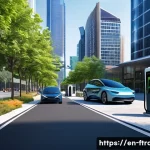
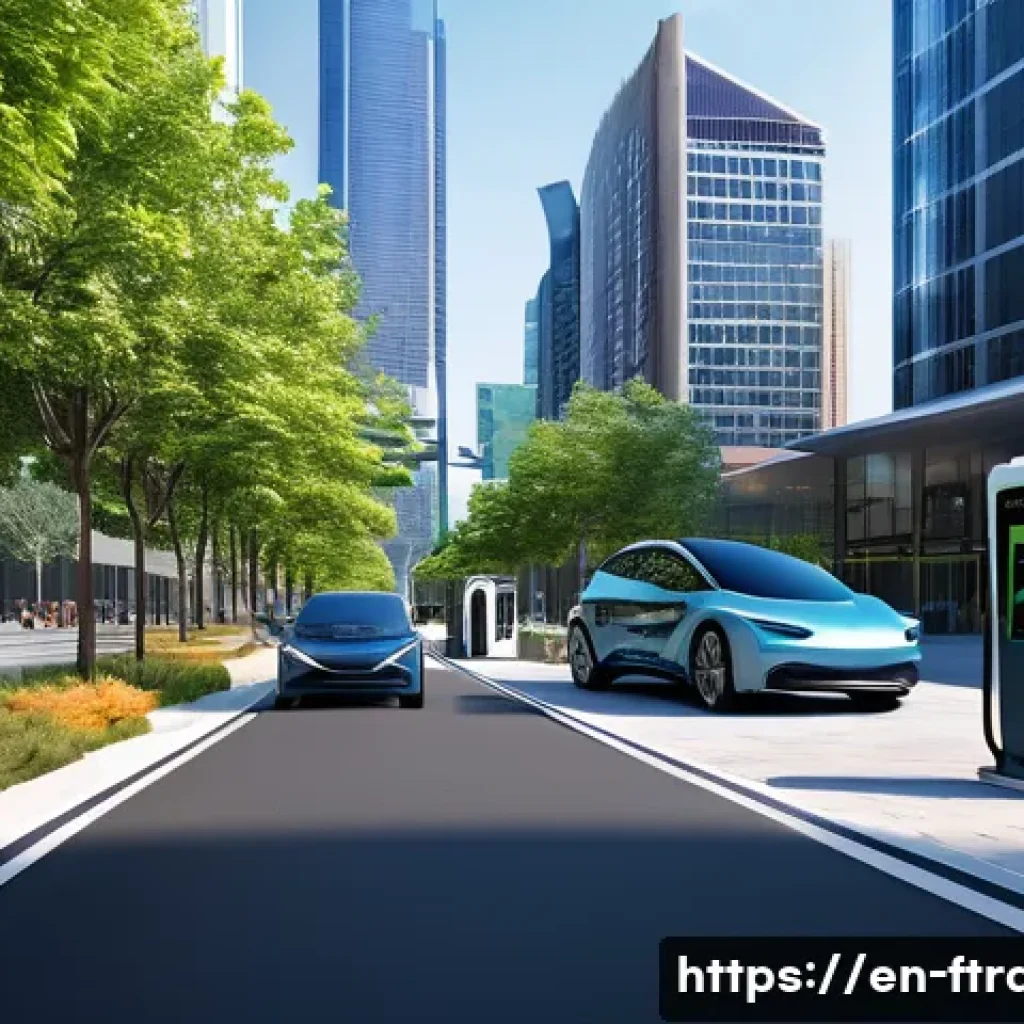
Cities are increasingly accommodating EVs with dedicated lanes and parking spots, signaling a broader acceptance. The environmental benefits are clear, but it’s the convenience and lower long-term costs that really hook most users.
As battery technology improves, we can expect even longer ranges, which will further accelerate adoption and reduce reliance on fossil fuels.
Battery Innovations Driving the Next Wave
Battery tech is the real game changer behind EVs gaining traction. Solid-state batteries, for instance, promise faster charging times and longer lifespans compared to traditional lithium-ion cells.
From what I’ve read and experienced in recent test drives, these improvements translate into fewer worries about degradation and more confidence for daily commuters.
Plus, advances in recycling methods for EV batteries are addressing concerns about resource sustainability. Automakers and startups alike are investing heavily in this space, racing to develop batteries that are not only efficient but also environmentally friendly throughout their lifecycle.
This evolving tech could make electric vehicles even more accessible and practical for all kinds of drivers.
Policy and Infrastructure: The Backbone of EV Growth
Government policies worldwide are increasingly favoring EVs through incentives like tax credits, rebates, and exemptions from tolls or congestion charges.
I’ve seen firsthand how these perks encourage people to consider EVs seriously. But beyond incentives, the real challenge lies in building the infrastructure to support millions of electric cars on the road.
Fast-charging stations, grid upgrades, and renewable energy integration are critical pieces of the puzzle. Many cities are partnering with private companies to expand charging networks rapidly, making EV ownership more convenient.
Without this backbone, the momentum could stall, but current trends suggest a concerted effort is underway to keep pace with growing demand.
Autonomous Vehicles: A New Era of Road Safety and Efficiency
Progress in Self-Driving Technology
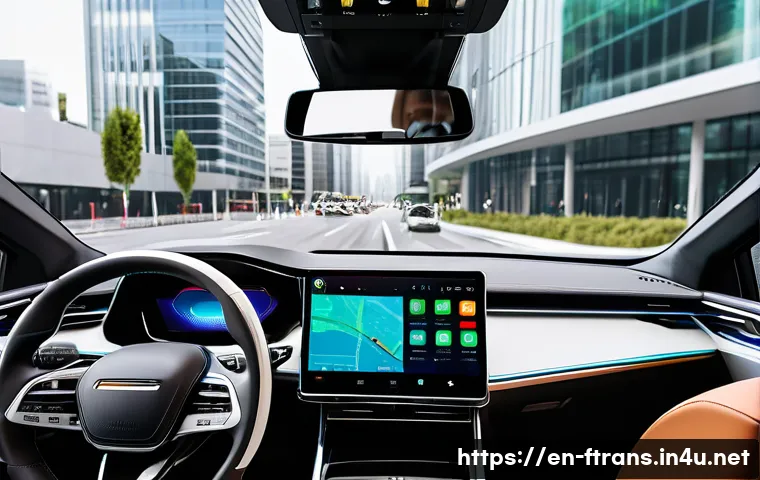
Autonomous vehicles (AVs) have been a hot topic for years, but the technology is finally moving beyond experimental phases. From my conversations with developers and early users, it’s clear that advances in sensors, AI, and machine learning are enabling cars to handle complex environments more reliably than before.
Many new models now come with advanced driver-assistance systems that can manage highway driving, parking, and even emergency braking autonomously. This incremental progress is setting the stage for fully self-driving cars to become a reality within the next decade.
The promise is huge: fewer accidents caused by human error, more efficient traffic flow, and the ability to repurpose travel time for work or relaxation.
Challenges on the Road to Autonomy
Despite the optimism, there are still hurdles to overcome. Regulatory approval, cybersecurity concerns, and public trust remain significant obstacles.
When I test-drove a semi-autonomous vehicle, I felt a mix of excitement and caution, which I believe many potential users share. The technology must prove not only its safety but also its ability to handle unpredictable scenarios like severe weather or erratic human drivers.
Moreover, legal frameworks must evolve to address liability issues in accidents involving AVs. The road ahead is complex, but ongoing pilot programs and collaborations between tech companies and governments are gradually ironing out these challenges.
Implications for Urban Planning and Mobility
The rise of autonomous vehicles is already influencing how cities plan transportation systems. Self-driving shuttles and ride-sharing fleets can reduce the need for personal car ownership, freeing up parking spaces and lowering congestion.
I recently read about pilot projects where AVs serve as first-mile/last-mile connectors, complementing public transit and making it more accessible. This could lead to more walkable neighborhoods and better land use, benefiting both residents and the environment.
However, integrating AVs with existing infrastructure requires careful coordination to ensure safety and maximize efficiency without disrupting current traffic patterns.
Revolutionizing Urban Transport with Hyperloops and Flying Taxis
Hyperloop: Redefining Long-Distance Travel
The hyperloop concept has captured imaginations for years, promising ultra-fast travel in near-vacuum tubes that drastically cut commute times between cities.
While still in the experimental stage, companies are making tangible progress. I find the idea fascinating because it could transform regional economies by connecting distant urban centers in minutes rather than hours.
The technology combines magnetic levitation and low-pressure environments to minimize friction, enabling speeds that rival airplanes but with lower energy consumption.
If successfully commercialized, hyperloops could offer a cleaner, more efficient alternative to short-haul flights and long car trips.
Flying Taxis: From Sci-Fi to Reality
Flying taxis are no longer just a futuristic concept; several companies are conducting test flights and even limited commercial operations. I had the chance to attend a demonstration recently, and the experience was surreal—hovering above traffic jams in a quiet, electric vertical takeoff and landing (eVTOL) vehicle felt like stepping into the future.
These vehicles promise to alleviate urban congestion by utilizing airspace rather than crowded roads. Challenges remain, such as air traffic management, noise, and regulatory approval, but the potential benefits for reducing commute times and pollution are substantial.
As battery tech improves and costs come down, flying taxis could become a common sight in major cities.
How These Innovations Complement Public Transit
While hyperloops and flying taxis sound exciting, they won’t replace buses or subways but rather complement them. For example, hyperloops can connect metropolitan areas, while flying taxis serve short urban hops.
Effective integration with existing transit networks is key to providing seamless, multimodal journeys for passengers. From what I’ve seen in pilot projects, apps that combine these options into one ticket and route planner are gaining popularity.
This holistic approach can make urban mobility more flexible, efficient, and environmentally friendly, addressing the last-mile problem and encouraging people to rely less on personal cars.
Smart Infrastructure and Its Role in Future Transportation
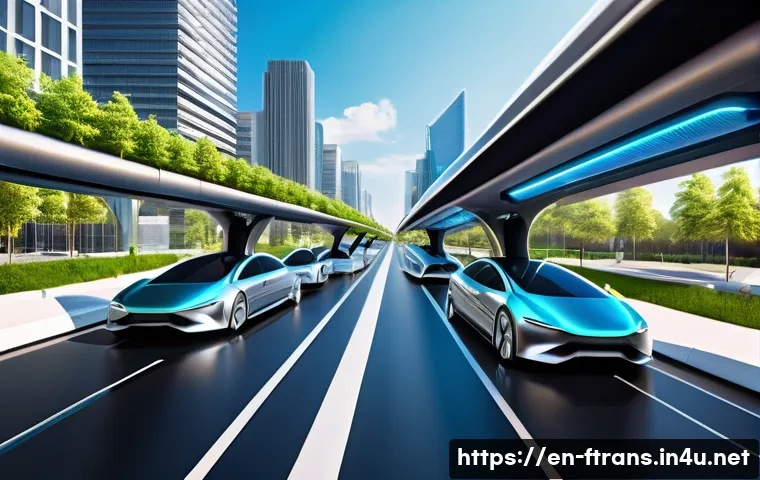
Connected Roads and Intelligent Traffic Systems
Smart infrastructure is the silent enabler of many transportation advancements. Roads embedded with sensors can communicate with vehicles to optimize traffic flow, warn of hazards, and reduce accidents.
I’ve experienced smart traffic lights that adjust in real-time based on congestion, which made my commute noticeably smoother. These systems use data analytics and AI to predict traffic patterns and dynamically manage resources.
Cities investing in smart infrastructure are already seeing benefits in reduced emissions and travel times. The integration of vehicle-to-infrastructure (V2I) communication is crucial for autonomous vehicles to operate safely and efficiently.
The Role of 5G and IoT in Transportation
High-speed 5G networks and the Internet of Things (IoT) are revolutionizing data exchange on the roads. Vehicles can instantly share information with each other and with infrastructure, enabling rapid responses to changing conditions.
For instance, a car detecting slippery pavement can alert nearby vehicles and traffic control centers. I’ve noticed that this level of connectivity improves not just safety but also the overall user experience, from real-time route updates to personalized services.
As 5G coverage expands, the transportation ecosystem will become even more interconnected, paving the way for innovations we can’t yet fully imagine.
Resilience and Sustainability in Infrastructure Design
Building smarter infrastructure isn’t just about technology but also about resilience and sustainability. With climate change causing more extreme weather, roads, bridges, and transit systems must be designed to withstand floods, heatwaves, and storms.
Cities are increasingly incorporating green infrastructure—like permeable pavements and urban greenery—to manage runoff and reduce urban heat islands.
From what I’ve observed in recent urban planning efforts, combining sustainability with smart tech creates transportation networks that are not only efficient but also durable and environmentally responsible.
This holistic approach will be essential to support future mobility demands.
Shared Mobility and Its Growing Influence
The Shift from Ownership to Access
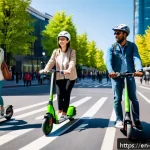
Shared mobility services like car-sharing, bike-sharing, and scooter rentals are transforming how people get around, especially in urban areas. I’ve personally switched to using these services for short trips because they’re often more convenient and cost-effective than owning a car.
This shift reduces the number of vehicles on the road, easing congestion and lowering emissions. It also democratizes access to transportation, helping those who can’t afford or don’t want a personal vehicle.
The convenience of app-based booking and flexible usage times has made shared mobility a popular choice, especially among younger generations and city dwellers.
Environmental and Social Benefits of Sharing
Beyond convenience, shared mobility has significant environmental upsides. Fewer cars mean less pollution and reduced demand for parking space, freeing up land for parks or housing.
I’ve noticed that neighborhoods with robust shared mobility options tend to have better air quality and more pedestrian-friendly environments. Socially, these services can improve mobility equity by providing affordable options to underserved communities.
However, managing the lifecycle impacts of shared vehicles, like battery disposal and maintenance, is crucial to ensure these benefits aren’t offset by hidden costs.
Challenges in Scaling Shared Mobility
Despite its promise, shared mobility faces challenges. Regulatory hurdles, vehicle vandalism, and balancing supply and demand can complicate operations.
I’ve seen cases where too many scooters clutter sidewalks, leading to pushback from residents. Additionally, the economics of maintaining fleets and ensuring safety can be tough, especially in less dense areas.
Operators and cities need to collaborate closely to create frameworks that encourage responsible growth while addressing community concerns. When done right, shared mobility can be a pillar of sustainable urban transport.
Comparing Emerging Transportation Technologies
| Technology | Primary Benefit | Current Limitations | Expected Timeline |
|---|---|---|---|
| Electric Vehicles (EVs) | Reduced emissions, lower operating costs | Charging infrastructure, battery range | Mass adoption by 2030 |
| Autonomous Vehicles (AVs) | Improved safety, traffic efficiency | Regulatory approval, public trust | Widespread use by 2035 |
| Hyperloop | Ultra-fast regional travel | High infrastructure costs, technical challenges | Commercial trials by 2030s |
| Flying Taxis (eVTOL) | Reduced urban congestion, faster commutes | Air traffic management, noise concerns | Limited operations by late 2020s |
| Shared Mobility | Lower costs, reduced car ownership | Regulations, fleet management | Continuous growth ongoing |
Conclusion
The rapid evolution of transportation technologies is reshaping how we move, live, and interact with our environment. From electric vehicles to autonomous cars, and futuristic concepts like hyperloops and flying taxis, each innovation promises greater efficiency, sustainability, and convenience. While challenges remain, ongoing advancements and infrastructure investments indicate a future where mobility is smarter and more accessible for everyone.
Useful Information to Keep in Mind
1. Electric vehicles are becoming more affordable and practical as battery technology improves and charging networks expand.
2. Autonomous vehicles will enhance road safety and traffic flow but require careful regulation and public acceptance.
3. Emerging transportation modes like hyperloops and flying taxis aim to reduce travel times and urban congestion.
4. Smart infrastructure powered by 5G and IoT will be essential for supporting connected and autonomous vehicles.
5. Shared mobility services offer a flexible and environmentally friendly alternative to car ownership, especially in cities.
Key Takeaways
Understanding the interplay between new vehicle technologies, supportive infrastructure, and policy frameworks is crucial for embracing the future of transportation. While electric and autonomous vehicles lead the charge in reducing emissions and improving safety, integrating innovations like hyperloops, flying taxis, and shared mobility can create a more efficient and sustainable urban environment. Stakeholders must collaborate to address challenges such as regulatory hurdles, infrastructure demands, and public trust to unlock the full potential of these transformative trends.
Frequently Asked Questions (FAQ) 📖
Q: How soon will electric vehicles become the dominant mode of transportation?
A: Electric vehicles (EVs) are rapidly gaining market share thanks to improvements in battery technology, expanding charging infrastructure, and increasing government incentives.
While exact timelines vary by region, many experts predict that EVs could account for over half of new car sales globally within the next decade. Personally, I’ve noticed more EV options popping up in my local dealerships and charging stations becoming commonplace, which signals a clear shift toward widespread adoption.
Q: What impact will autonomous vehicles have on road safety and traffic congestion?
A: Autonomous vehicles (AVs) promise to significantly enhance road safety by reducing human error—the leading cause of accidents. From my experience following recent pilot programs, AVs tend to maintain consistent speeds, follow traffic rules strictly, and communicate with other vehicles to avoid collisions.
This not only improves safety but also helps smooth traffic flow, potentially easing congestion during peak hours. However, full benefits will depend on how quickly regulations adapt and how extensively these systems are integrated into existing road networks.
Q: Are futuristic urban mobility options like flying taxis and hyperloops realistically achievable soon?
A: Technologies such as flying taxis and hyperloops are advancing steadily but remain in early stages of development and testing. Flying taxis have completed successful pilot flights in a few cities, showcasing potential for short-distance urban travel without road traffic delays.
Hyperloops, meanwhile, are still mostly experimental, with several prototypes under construction. From what I’ve observed, while these innovations may not be commonplace within the next few years, they hold exciting promise for transforming urban mobility in the 2030s and beyond, provided they overcome regulatory, safety, and cost challenges.