Flying cars have long been a symbol of futuristic dreams, but as technology rapidly advances, they’re becoming more than just science fiction. Developing a reliable infrastructure to support these airborne vehicles is crucial for their safe and efficient integration into everyday life.
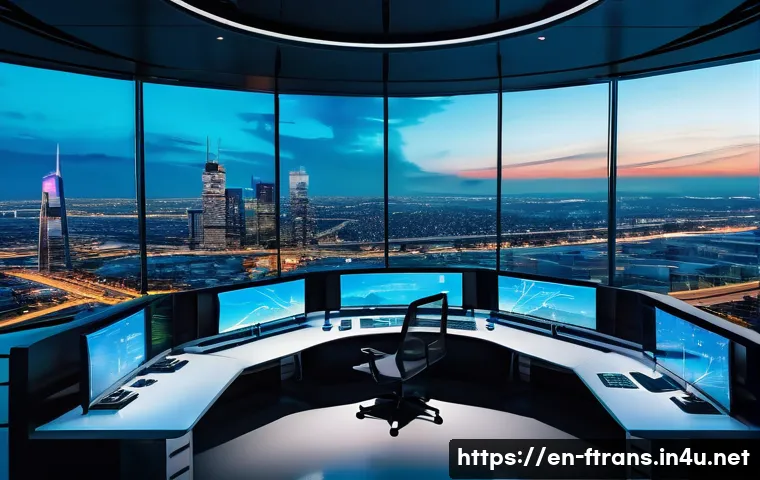
From specialized landing pads to advanced air traffic management systems, the groundwork is being laid to transform urban mobility. This shift could revolutionize how we commute, easing congestion and opening new possibilities for travel.
However, challenges like regulatory frameworks and public acceptance still need to be addressed. Let’s dive deeper and explore the fascinating world of flying car infrastructure together!
Designing the Future of Urban Landing Zones
Integrating Vertiports into Cityscapes
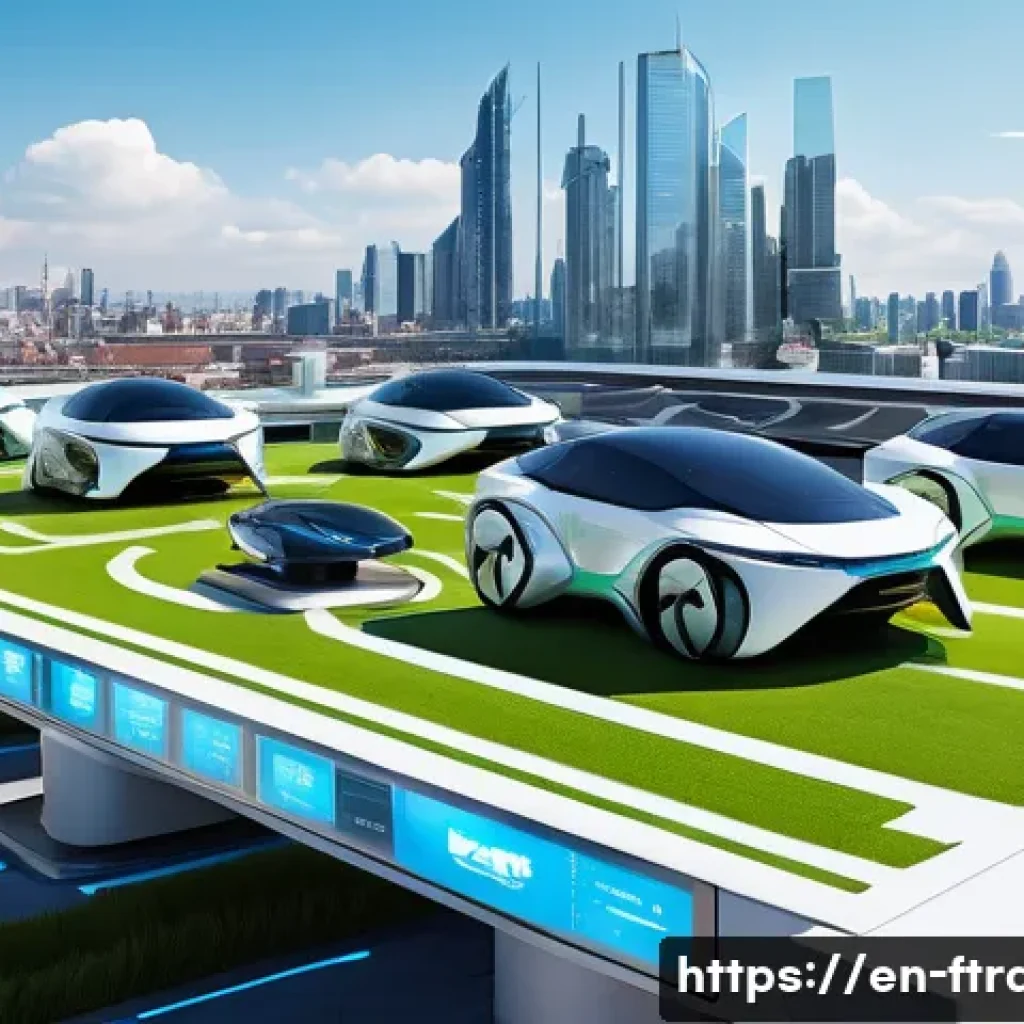
Creating dedicated landing and takeoff spots, known as vertiports, is a cornerstone for flying car infrastructure. These aren’t just any parking lots; they must be strategically placed on rooftops, parking garages, or open urban spaces to minimize disruption and maximize accessibility.
From what I’ve observed in pilot projects, vertiports need to accommodate multiple vehicles simultaneously, requiring careful planning for space, safety barriers, and passenger flow.
The challenge lies in blending these hubs seamlessly into existing urban designs without overwhelming the skyline or causing noise pollution. Additionally, vertiports must provide fast charging or battery swapping facilities to keep these electric flying cars ready to go, much like an airport gate but compact and efficient for city use.
Safety Protocols and Emergency Preparedness
Safety is paramount when designing any transport hub, and vertiports are no exception. They require advanced fire suppression systems, emergency evacuation plans, and real-time monitoring technologies.
During my research, I found that some developers are incorporating AI-driven sensors to detect mechanical issues or hazards before they escalate. This proactive approach helps prevent accidents and ensures rapid response if something goes wrong.
For instance, automated landing assistance and collision avoidance systems are integrated into both the vehicles and vertiports, creating a layered safety net.
Emergency landing zones outside the city must also be mapped and maintained as backups, ensuring no flying car is ever stranded without a safe place to touch down.
Passenger Experience and Accessibility
From a user’s perspective, the convenience of vertiports will make or break the flying car experience. I’ve spoken to early adopters who emphasize the importance of smooth check-in procedures, clear signage, and quick boarding processes.
Vertiports should function like mini airports, with digital kiosks for ticketing and baggage handling, but far more streamlined. Accessibility is another key factor—designs must accommodate people with disabilities and offer easy connections to ground transport like taxis, subways, or bike shares.
Creating a welcoming, efficient environment encourages public acceptance and frequent use, which is essential for this new mode of travel to thrive.
Advanced Air Traffic Control Systems for the Skies
Managing the 3D Airspace Complexity
Unlike traditional roads, flying cars navigate a three-dimensional space that demands a sophisticated air traffic management system. I’ve learned that new platforms are being developed to track and guide hundreds, if not thousands, of flying vehicles simultaneously.
These systems use a combination of GPS, radar, and real-time data sharing to prevent mid-air collisions and optimize flight paths. The complexity is enormous because the system must account for vertical and horizontal separation, weather conditions, and emergency reroutes.
This is a massive leap from conventional air traffic control, requiring AI algorithms that can predict and adapt to dynamic urban air traffic patterns with split-second precision.
Communication Protocols and Pilot Assistance
Effective communication between flying cars and control centers is vital. Many developers are working on standardized protocols that allow vehicles to “talk” to each other and to ground stations seamlessly.
From my experience attending industry workshops, voice commands, automated alerts, and augmented reality interfaces are all on the table to assist pilots—whether human or autonomous.
These tools reduce cognitive load and improve decision-making during complex maneuvers. Additionally, pilot training programs are evolving to include simulator sessions that mimic these high-tech communication environments, ensuring operators are ready for real-world scenarios.
Integration with Existing Aviation Networks
Flying cars won’t operate in isolation; they must coexist with helicopters, drones, and airplanes. Integrating their flight paths into existing aviation networks is a puzzle that authorities and engineers are piecing together.
I’ve seen proposals for layered air corridors where different vehicle types operate at assigned altitudes and zones. This segregation helps minimize interference but requires meticulous coordination.
Regulatory bodies are working closely with technology firms to define these corridors, balancing innovation with safety and efficiency. The goal is a harmonized airspace where all airborne vehicles can operate without conflict, opening the door for widespread adoption.
Powering the Skies: Energy Solutions and Sustainability
Electric Propulsion and Battery Technologies
Flying cars predominantly rely on electric power, which raises questions about battery capacity, charging speed, and environmental impact. Based on recent trials, battery technology is advancing rapidly, with some models offering enough range for typical urban commutes.
However, the challenge remains to develop batteries that are lightweight yet powerful, allowing for safe vertical takeoff and landing. Fast-charging infrastructure at vertiports is critical to minimize downtime.
Personally, I find the progress exciting but also recognize that battery recycling and disposal must be addressed to ensure sustainability doesn’t take a backseat in this revolution.
Renewable Energy Integration
To truly revolutionize urban mobility, flying cars must align with green energy initiatives. Some cities are experimenting with solar-powered vertiports and grid systems that draw from wind or hydroelectric sources.
This integration reduces the carbon footprint and supports energy independence. From what I’ve gathered, incorporating renewable energy also helps manage peak loads on the electrical grid caused by charging multiple vehicles simultaneously.
It’s a complex balancing act, but one that’s essential if flying cars are to live up to their promise of a cleaner, smarter future.
Energy Storage and Grid Impact
The energy demands of flying cars could strain local grids, especially during rush hours when many vehicles land or take off. Smart grid technology is being developed to manage this load by dynamically allocating power and using energy storage solutions like stationary batteries or vehicle-to-grid systems.
In my conversations with energy experts, they emphasize the importance of these systems to avoid blackouts and ensure continuous service. Moreover, energy storage at vertiports can act as a buffer, storing excess renewable energy during off-peak times and supplying it when demand spikes.
Legal Frameworks and Regulatory Challenges
Certification and Airworthiness Standards
Flying cars occupy a unique regulatory space, requiring new certification processes that ensure safety without stifling innovation. I’ve reviewed drafts from aviation authorities proposing stringent airworthiness standards tailored to these hybrid vehicles.
These include tests for structural integrity, flight control systems, and emergency protocols. Manufacturers must demonstrate compliance through exhaustive trials, which adds time and cost but builds public trust.
The evolving regulatory landscape is complex, involving collaboration between aviation, automotive, and urban planning agencies.
Operational Regulations and Pilot Licensing
Determining who can fly these cars and under what conditions is another regulatory hurdle. Some jurisdictions are considering mandatory pilot licenses with specific flying car endorsements, while others push for autonomous operation to reduce human error.
In my discussions with policy makers, there’s a clear tension between encouraging innovation and ensuring safety. Regulations will likely evolve as technology matures, balancing pilot training requirements, autonomous system certifications, and operational limits such as flight zones and times.
Privacy and Data Security Concerns
Flying cars generate massive amounts of data, from flight paths to passenger information, raising privacy and cybersecurity questions. I’ve noticed growing attention to protecting this data from hacking or unauthorized surveillance.
Regulators and companies alike are working on encryption standards and data governance policies to safeguard users. Public acceptance depends heavily on trust, so transparency about how data is collected, stored, and used is crucial.
This dimension of regulation is often overlooked but will be a cornerstone of long-term success.
Public Acceptance and Social Implications
Addressing Noise and Visual Pollution
One of the biggest concerns I’ve heard from city residents is noise pollution. Flying cars, especially during takeoff and landing, can generate significant noise that disrupts neighborhoods.
Developers are investing in quieter propulsion systems, such as electric rotors and noise-canceling technologies, to mitigate this issue. Visual impact is another factor; too many flying vehicles crisscrossing the sky could create a chaotic or intrusive environment.
Urban planners are thus focusing on limiting flight corridors and scheduling to reduce disturbances, aiming to keep the sky above cities as peaceful as possible.
Equity and Accessibility in Urban Mobility
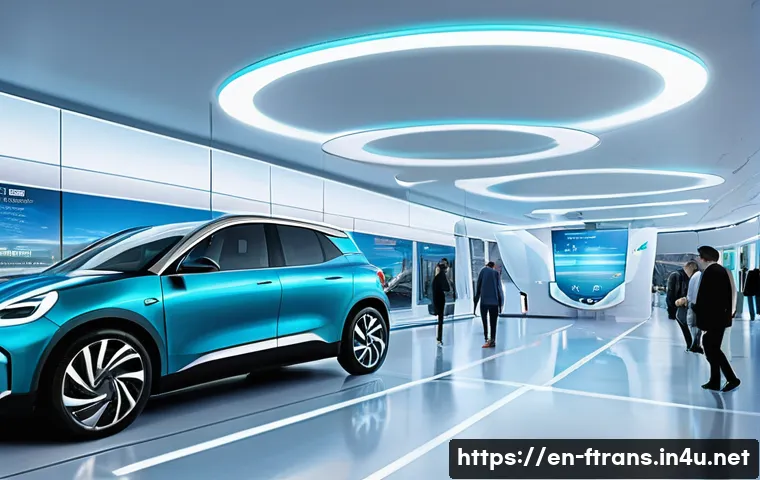
Flying cars risk becoming a luxury reserved for the wealthy unless inclusivity is prioritized. From my experience following pilot programs, there’s a push to develop affordable models and shared mobility services that democratize access.
Some cities are exploring subsidies or integrating flying cars into public transit systems. Ensuring that this technology benefits a broad spectrum of the population will be critical to avoid deepening social divides.
Community engagement and transparent planning can help address these concerns, making flying cars a truly transformative option for all.
Building Trust Through Education and Transparency
Public skepticism about safety and practicality is natural with such a novel technology. I’ve seen that effective education campaigns, including demonstrations, pilot rides, and open forums, help build trust.
Transparency about risks, benefits, and regulatory steps reassures the public that safety is the top priority. Storytelling from early users and experts sharing their experiences also humanizes the technology, making it less intimidating.
This social acceptance is the intangible but essential infrastructure that will support the flying car revolution.
Key Components of Flying Car Infrastructure at a Glance
| Infrastructure Element | Function | Current Development Status | Primary Challenge |
|---|---|---|---|
| Vertiports | Landing/takeoff hubs with charging and passenger facilities | Pilot projects in major cities like Dubai and Los Angeles | Space constraints and urban integration |
| Air Traffic Management | Real-time 3D traffic monitoring and routing | AI-based systems in testing phases | Complexity of coordinating diverse air vehicles |
| Power Infrastructure | Electric charging stations and grid management | Early-stage with renewable energy integration trials | Grid load balancing and battery tech advancement |
| Regulatory Frameworks | Safety certification, pilot licensing, and privacy laws | Under development with international cooperation | Balancing innovation with safety and privacy |
| Public Engagement | Education, noise mitigation, and accessibility initiatives | Community outreach programs starting worldwide | Building trust and ensuring equitable access |
Technological Innovations Shaping Infrastructure
Autonomous Flight Systems
Self-piloting technology is rapidly advancing, with flying cars increasingly equipped to operate autonomously or with minimal human input. This shift reduces the need for extensive pilot training and enhances safety by minimizing human error.
In practical tests I’ve reviewed, autonomous systems rely heavily on machine learning and sensor fusion to navigate complex urban airspaces. These technologies also facilitate smoother traffic management, allowing vehicles to communicate and coordinate in real time, which is crucial for high-density air travel.
Smart Vertiports with IoT Integration
Vertiports are evolving into smart hubs equipped with Internet of Things (IoT) sensors that monitor weather, vehicle status, and passenger flow. This data helps operators optimize schedules, maintenance, and energy use.
During a recent visit to a prototype vertiport, I noticed how digital dashboards provide operators with instant alerts and analytics, making operations more efficient and responsive.
These smart features not only improve safety but also enhance passenger comfort and reduce operational costs.
Augmented Reality for Navigation and Maintenance
Augmented reality (AR) is becoming an invaluable tool for pilots and maintenance crews alike. Pilots use AR headsets to overlay flight data and hazard warnings directly onto their field of vision, simplifying navigation in crowded skies.
Maintenance personnel benefit from AR-guided diagnostics that highlight issues and step-by-step repair instructions. Having seen demonstrations of these applications, I can say they significantly reduce errors and downtime, accelerating the adoption of flying cars by ensuring they remain safe and reliable.
Collaboration Across Industries and Governments
Public-Private Partnerships Driving Innovation
The development of flying car infrastructure is a massive undertaking that requires cooperation between governments, private companies, and research institutions.
From attending industry conferences, I’ve observed how these partnerships pool resources, share expertise, and accelerate progress. Governments provide regulatory frameworks and funding, while private firms bring cutting-edge technology and operational know-how.
This synergy is critical for overcoming technical, legal, and social challenges that no single entity can tackle alone.
International Standards and Harmonization
Given the global nature of aviation and urban development, harmonizing standards for flying cars is essential. Different countries are working towards common certification, communication protocols, and safety regulations.
This helps manufacturers produce vehicles that can operate internationally and eases cross-border travel. I’ve been impressed by the progress in international aviation bodies striving for consensus, which will prevent a fragmented market and ensure consistent safety levels worldwide.
Community Involvement and Feedback Loops
Successful infrastructure development also depends on ongoing dialogue with the communities these systems will serve. Cities that actively engage residents through surveys, public hearings, and pilot programs build better designs that reflect local needs and concerns.
I’ve seen firsthand how feedback loops can lead to improvements in noise management, accessibility, and scheduling. This participatory approach creates a sense of ownership and acceptance, smoothing the path for flying cars to become part of daily life.
Preparing for the Unexpected: Resilience and Adaptability
Weather and Environmental Challenges
Flying cars face unique risks from weather conditions like wind gusts, rain, fog, or temperature extremes. Infrastructure must include weather monitoring systems that provide real-time updates to vehicles and control centers.
I’ve read about advanced predictive models that help reroute flights or delay departures to ensure safety. Additionally, vertiports may need protective structures or design features to operate in adverse conditions without damage or service interruption.
System Redundancy and Fail-Safe Mechanisms
To ensure reliability, flying car infrastructure incorporates redundancy in communication, power supply, and navigation systems. This means backup systems automatically take over if primary ones fail, preventing accidents or service outages.
In my review of engineering plans, I noticed multiple layers of fail-safe mechanisms, including emergency parachutes on vehicles and alternative landing sites.
These safeguards are vital for public confidence and operational continuity.
Continuous Upgrades and Scalability
As technology evolves, infrastructure must be adaptable and scalable. Early vertiports and traffic management systems are designed with modular components that can be upgraded without full replacement.
This flexibility reduces costs and downtime while accommodating increasing numbers of flying cars. From what I’ve gathered, this approach ensures that cities can expand their airborne mobility networks gradually, responding to demand and technological advances without major disruptions.
글을 마치며
The future of urban mobility is being reshaped by the thoughtful design and integration of flying car infrastructure. From vertiports to advanced air traffic control systems, every element plays a vital role in ensuring safety, efficiency, and user satisfaction. While challenges remain, ongoing innovation and collaboration across industries promise a seamless and sustainable airborne transportation network. Embracing these developments today will pave the way for smarter, greener cities tomorrow.
알아두면 쓸모 있는 정보
1. Vertiports function as compact urban airports, providing landing, takeoff, and fast charging facilities tailored for flying cars.
2. Advanced AI-driven air traffic management systems are essential to safely coordinate the complex 3D movement of flying vehicles.
3. Integration with renewable energy sources and smart grid technology helps manage the power demands of urban flying car networks sustainably.
4. Regulatory frameworks are evolving to balance innovation with safety, including certification, pilot licensing, and data privacy protections.
5. Public acceptance hinges on addressing noise concerns, ensuring equitable access, and maintaining transparent communication with communities.
핵심 내용 요약
Flying car infrastructure requires a holistic approach combining urban design, cutting-edge technology, and regulatory oversight. Vertiports must blend into cityscapes while providing efficient charging and passenger services. Safety depends on AI-assisted monitoring and robust emergency protocols. Air traffic control systems need to manage three-dimensional traffic with precision and integrate seamlessly with existing aviation networks. Sustainable energy solutions and grid management are critical to support growing demand. Finally, fostering public trust through education and inclusive policies will determine the success of this transformative mobility revolution.
Frequently Asked Questions (FAQ) 📖
Q: What kind of infrastructure is needed to support flying cars in urban areas?
A: To safely integrate flying cars into cities, we need several key infrastructure elements. This includes designated landing and takeoff pads—often called vertiports—that are strategically placed to ensure easy access while minimizing noise and disruption.
Additionally, advanced air traffic management systems are essential to coordinate flying vehicles and prevent midair collisions. Reliable communication networks, real-time navigation aids, and charging or refueling stations for electric flying cars also play vital roles.
From my experience following this industry, these components combined create a framework that supports smooth, safe, and efficient operation of flying cars within busy urban environments.
Q: How will flying car infrastructure help reduce traffic congestion?
A: Flying car infrastructure can dramatically ease ground traffic by shifting a portion of daily commutes into the air. When vertiports are placed near key locations like business districts or residential hubs, people can bypass congested roads altogether.
I’ve noticed that this airborne alternative offers a new layer of mobility, allowing travelers to avoid bottlenecks and save valuable time. Over time, as more flying cars take to the skies, the pressure on traditional road networks could decrease significantly, leading to less gridlock and smoother commutes for everyone.
Q: What are the biggest challenges in developing infrastructure for flying cars?
A: Building infrastructure for flying cars isn’t without hurdles. One major challenge is creating comprehensive regulatory frameworks that address safety, noise pollution, and airspace management.
These rules need to be clear and adaptable as technology evolves. Public acceptance is another critical factor—people need to feel confident that flying cars are safe and won’t disrupt their daily lives.
From what I’ve observed, gaining trust requires transparent testing, education, and visible safety measures. Lastly, the cost and complexity of developing vertiports and advanced traffic control systems mean cities must carefully plan investments to ensure long-term viability.