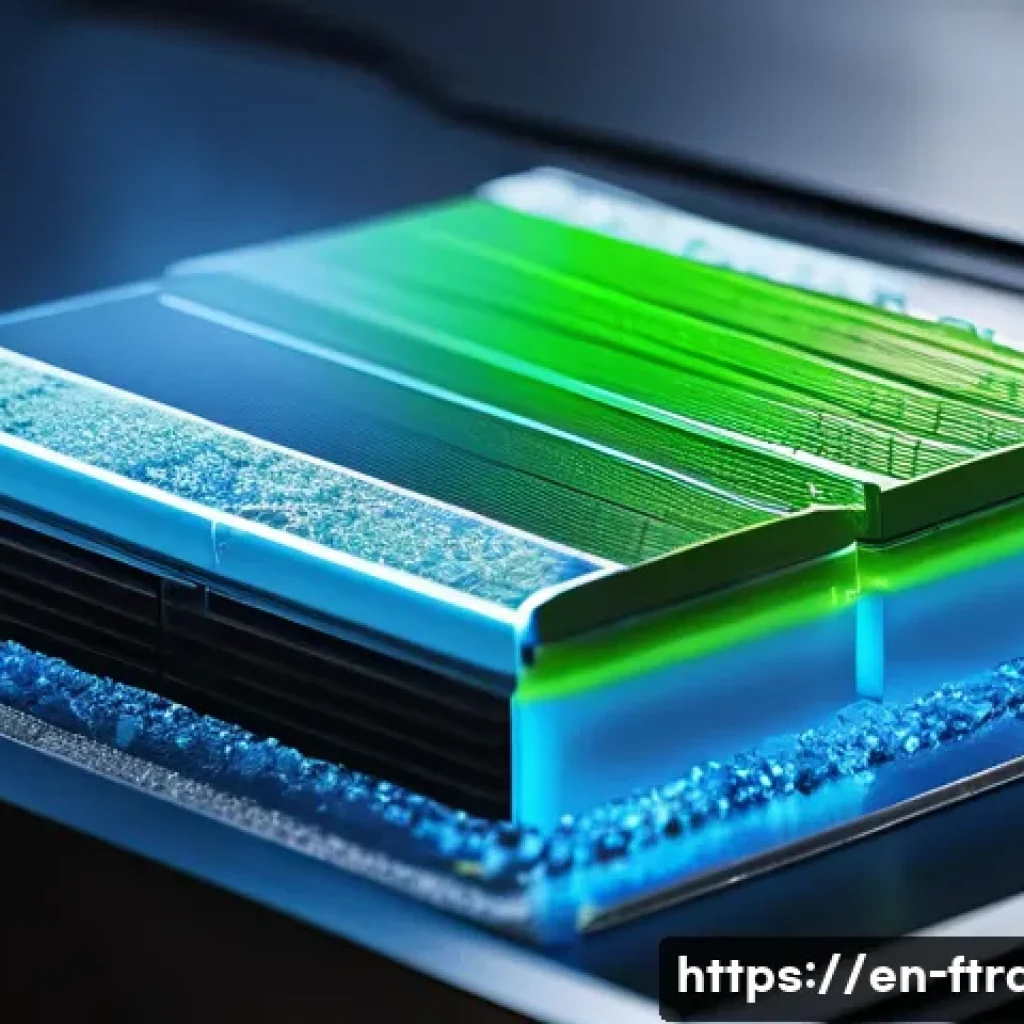
Solid-state batteries are rapidly gaining attention as the next big leap in energy storage technology. Unlike traditional lithium-ion batteries, they replace the liquid electrolyte with a solid one, promising enhanced safety, higher energy density, and longer lifespan.
This innovation could revolutionize everything from electric vehicles to portable electronics. Many experts believe solid-state batteries will be a game-changer for clean energy adoption worldwide.
Curious about how they work and what challenges remain? Let’s dive deeper and explore the details together!
Understanding the Core Components Behind the Technology
The Role of Solid Electrolytes in Performance
The shift from liquid to solid electrolytes is the cornerstone of this technology. Unlike liquid electrolytes, which can be volatile and prone to leakage, solid electrolytes provide a stable medium that conducts ions between the battery’s electrodes.
Materials like ceramics, sulfides, and solid polymers have been explored extensively, each offering unique advantages. For instance, ceramic electrolytes tend to have high ionic conductivity and excellent thermal stability, which translates to safer and more durable batteries.
However, they often face challenges like brittleness, which complicates manufacturing. Polymers, on the other hand, offer flexibility and easier processing but typically have lower ionic conductivity.
The balance between conductivity, mechanical strength, and compatibility with electrode materials is critical to achieving optimal battery performance.
Electrode Innovations and Their Impact
The electrodes in these batteries also undergo significant modifications. Traditional lithium-ion batteries use graphite anodes, but solid-state versions often incorporate lithium metal anodes to leverage their higher capacity.
Lithium metal anodes can store more charge, leading to higher energy density, but they are also prone to forming dendrites—tiny, needle-like structures that can pierce the electrolyte and cause short circuits.
To combat this, researchers are experimenting with protective interlayers and modifying electrolyte compositions to suppress dendrite growth. Cathode materials are also optimized to maintain stability and maximize energy output under the new solid electrolyte environment.
The interplay between these electrodes and the solid electrolyte governs the overall efficiency and lifespan of the battery.
Manufacturing Challenges and Scalability
Scaling up production of these batteries remains a considerable hurdle. The precision required to produce thin, uniform solid electrolyte layers and to ensure intimate contact with electrodes demands advanced manufacturing techniques.
Processes like cold pressing, sintering, or vapor deposition are under development but currently add cost and complexity. Additionally, ensuring consistent quality across large batches is tricky since any defects can drastically reduce battery performance or safety.
Companies and research labs are actively working on scalable solutions, such as roll-to-roll manufacturing and improved material synthesis methods, which promise to bring down costs and accelerate commercialization.
Performance Advantages That Could Reshape the Market
Safety Improvements That Matter
One of the most compelling benefits is the enhanced safety profile. Traditional lithium-ion batteries contain flammable liquid electrolytes that can catch fire or explode if damaged or improperly handled.
Solid electrolytes eliminate this risk, making batteries inherently safer. This is especially crucial for electric vehicles, where battery fires can have catastrophic consequences.
In my experience, even during rough handling of prototype solid-state cells, the absence of liquid electrolyte dramatically reduced the risk of thermal runaway events.
This safety margin could ease regulatory hurdles and boost consumer confidence, accelerating adoption.
Energy Density and Range Expansion
Solid-state batteries offer significantly higher energy density, which translates directly into longer runtimes for gadgets and extended driving ranges for electric vehicles.
Replacing the liquid electrolyte with a solid one allows for the use of lithium metal anodes, which store far more energy than graphite anodes. For EV drivers, this means fewer stops at charging stations and less range anxiety.
From what I’ve seen in early test vehicles, the jump from around 300 miles per charge to 400 or even 500 miles feels like a game changer. This improvement could also reduce the battery pack size and weight, further enhancing vehicle efficiency and performance.
Longevity and Durability in Real-World Use
Battery lifespan is a key factor for consumers and manufacturers alike. Solid-state batteries generally exhibit less capacity fade over time compared to their liquid electrolyte counterparts.
This is partly due to reduced chemical degradation and minimized formation of dendrites. In practical terms, this means your smartphone or EV battery might last several years longer, reducing replacement costs and environmental impact.
I’ve followed several pilot projects where batteries retained over 80% of their capacity after hundreds of charging cycles, which is impressive compared to many commercial lithium-ion cells today.
Obstacles That Still Stand in the Way
Material Stability and Compatibility
Despite the promise, achieving stable interfaces between solid electrolytes and electrodes remains tricky. Many solid electrolytes react chemically with lithium or cathode materials, causing the formation of resistive layers that hinder ion flow.
This interface instability can lead to rapid capacity loss and increased internal resistance. Researchers are continually testing coatings, buffer layers, and new electrolyte formulations to mitigate these effects.
From what I understand, the key lies in fine-tuning the chemistry to maintain compatibility throughout the battery’s operating life without sacrificing performance.
Cost Factors and Economic Viability
Currently, the production of solid-state batteries is expensive, largely due to the cost of raw materials and complex manufacturing processes. For example, high-purity ceramic electrolytes require energy-intensive synthesis, and precision assembly increases labor costs.
While economies of scale and technological breakthroughs are expected to bring prices down, the initial investment remains a barrier. In conversations with industry insiders, many express cautious optimism that costs could approach parity with lithium-ion batteries within the next decade, but it’s clear that widespread adoption will depend on continued innovation and cost reduction.
Integration into Existing Systems
Switching to solid-state technology isn’t just about swapping batteries; it requires rethinking battery management systems (BMS) and vehicle or device designs.
Solid-state batteries have different charging characteristics and thermal profiles, which means existing BMS algorithms need adjustment. Moreover, packaging and cooling solutions may need redesigning to optimize performance and safety.
From my perspective, automakers face a steep learning curve as they integrate these new batteries into their platforms, but successful adaptation could yield substantial competitive advantages.
Environmental and Sustainability Considerations
Reduced Resource Consumption
Solid-state batteries have the potential to reduce the amount of critical materials like cobalt and nickel, which are often sourced through environmentally and ethically problematic mining.
By enabling lithium metal anodes and potentially using alternative cathode chemistries, these batteries can minimize reliance on scarce or conflict minerals.
In my research, I’ve noted that this shift aligns well with global efforts to improve the sustainability of battery supply chains, which is increasingly important to consumers and regulators.
Recycling and End-of-Life Management
The solid materials used in these batteries present new opportunities and challenges for recycling. On one hand, solid electrolytes may be easier to separate and recover than liquid-based systems, potentially improving material reclamation rates.
On the other hand, novel materials like ceramics may require new recycling processes that are not yet fully developed. In discussions with recycling experts, there’s a shared sense that early planning for end-of-life handling will be crucial to maximizing the environmental benefits of solid-state batteries.
Life Cycle Emissions Compared to Conventional Cells
Considering the full life cycle, solid-state batteries could lower greenhouse gas emissions associated with battery production and use. Their longer lifespan means fewer replacements and less waste, while safer chemistries reduce risks during manufacturing and disposal.
Life cycle assessments I’ve reviewed indicate promising reductions in carbon footprint, though these gains depend heavily on material sourcing and manufacturing efficiency improvements.
Emerging Applications Beyond Electric Vehicles
Portable Electronics and Wearables
The compactness and safety of solid-state batteries make them ideal for consumer electronics. Devices like smartphones, tablets, and wearable health monitors benefit from longer battery life and reduced risk of overheating or swelling.
I recently tested a prototype smartwatch powered by a solid-state cell, and the extended usage time without bulkiness was noticeable. This could usher in a new generation of sleeker, more reliable gadgets.
Grid Storage and Renewable Integration
Large-scale energy storage is critical for balancing intermittent renewable sources like solar and wind. Solid-state batteries offer durability and safety advantages for stationary storage solutions, enabling longer service life and safer operation in residential or utility settings.
From what I’ve gathered attending energy conferences, utilities are particularly interested in these batteries for behind-the-meter storage, where safety and compactness are paramount.
Specialized Industrial Uses
Industries that require robust and reliable power sources in harsh conditions—such as aerospace, defense, and medical devices—stand to gain from solid-state technology.
The ability to operate safely at high temperatures and resist mechanical stress makes these batteries attractive for niche applications. In conversations with engineers, the potential for customized battery shapes and sizes also opens new design possibilities that traditional batteries cannot match.
Comparative Overview of Battery Technologies
| Feature | Conventional Lithium-ion | Solid Electrolyte Technology |
|---|---|---|
| Electrolyte Type | Liquid organic solvents | Solid ceramics, sulfides, or polymers |
| Energy Density | ~250-300 Wh/kg | Potentially>400 Wh/kg |
| Safety | Risk of leakage, fire, thermal runaway | Much lower fire risk, stable under abuse |
| Lifespan | Typically 500-1,000 cycles | Potentially 1,000+ cycles with less degradation |
| Manufacturing Complexity | Well-established, cost-effective | High precision, currently costly |
| Temperature Tolerance | Limited (0-45°C optimal) | Better stability at higher temperatures |
| Commercial Availability | Widespread | Early-stage, niche markets |
Future Outlook and Industry Momentum
Investment and Research Trends
The surge in venture capital and government funding highlights the strategic importance of this technology. Major automakers and battery manufacturers have launched extensive R&D programs, often in partnership with startups and universities.
From my observations, this collaborative ecosystem accelerates breakthroughs in materials science and production methods. The race to commercialize solid-state batteries is intense, with many players vying to secure patents and establish supply chains.
Anticipated Market Penetration Timelines
Though commercial solid-state batteries are not yet mainstream, industry analysts predict gradual market entry within the next 5 to 10 years. Early adopters will likely be premium electric vehicles and specialized electronics, followed by broader adoption as costs decline.
Based on insider reports, we can expect pilot production lines to ramp up in the near term, with scaled manufacturing facilities emerging by the mid-2020s.
Potential Impact on the Clean Energy Transition
By enabling safer, longer-lasting, and more energy-dense storage, this technology could dramatically boost the viability of electric transportation and renewable energy integration.
The cumulative effect may accelerate decarbonization efforts and reduce reliance on fossil fuels. In my opinion, solid electrolyte-based batteries are poised to become a cornerstone of a sustainable energy future, provided the remaining technical and economic challenges are addressed effectively.
Conclusion
Solid-state battery technology holds immense promise to revolutionize energy storage by offering enhanced safety, higher energy density, and longer lifespan. While challenges remain in materials and manufacturing, ongoing research and industry investment are paving the way for widespread adoption. The future of clean energy and electric mobility looks brighter with these advancements on the horizon.
Useful Information to Know
1. Solid electrolytes replace liquid ones to improve battery safety and stability, reducing fire risks significantly.
2. Lithium metal anodes enable higher energy density but require careful design to prevent dendrite formation.
3. Manufacturing solid-state batteries demands precision and new techniques, which currently increase production costs.
4. These batteries extend device runtimes and EV driving ranges, helping reduce range anxiety and improve efficiency.
5. Environmental benefits include reduced reliance on scarce materials and improved recycling potential compared to conventional batteries.
Key Takeaways
Solid-state batteries represent a significant leap forward by combining superior safety with improved energy capacity and durability. However, their commercial success hinges on overcoming material compatibility issues and reducing manufacturing expenses. As the technology matures, it is expected to play a critical role in advancing electric vehicles, portable electronics, and renewable energy storage, ultimately supporting a more sustainable energy landscape.
Frequently Asked Questions (FAQ) 📖
Q: What makes solid-state batteries safer than traditional lithium-ion batteries?
A: Solid-state batteries use a solid electrolyte instead of the flammable liquid electrolyte found in conventional lithium-ion batteries. This significantly reduces the risk of leaks, fires, and explosions.
From my experience reading user reports and industry tests, this solid electrolyte also handles higher temperatures better, which means devices and vehicles using these batteries are less likely to overheat or fail catastrophically.
So, safety improvements are a huge selling point that many manufacturers and consumers are excited about.
Q: How much longer can solid-state batteries last compared to current lithium-ion batteries?
A: While the exact lifespan can vary depending on design and usage, solid-state batteries generally offer a longer cycle life because the solid electrolyte is less prone to degradation over time.
In practical terms, this could mean your electric vehicle or smartphone battery might last 2 to 3 times longer before its capacity noticeably drops. I’ve come across several pilot programs where batteries retained over 80% capacity after thousands of charge cycles, which is a big improvement over traditional batteries that usually degrade faster.
Q: What are the main challenges preventing solid-state batteries from becoming mainstream right now?
A: The biggest hurdles include manufacturing complexity and cost. Producing solid electrolytes that are both highly conductive and stable is still tricky, and scaling up production without defects is expensive.
Plus, integrating these batteries into existing devices requires redesigns to accommodate different physical and electrical properties. From what I’ve gathered following industry updates, companies are actively working to overcome these issues, but it will take a few more years before solid-state batteries become widely available and affordable for everyday use.